Erica, Genus,
- Genus
heaths
South Africa, Europe, the Mediterranean, and tropical African mountains
Overview
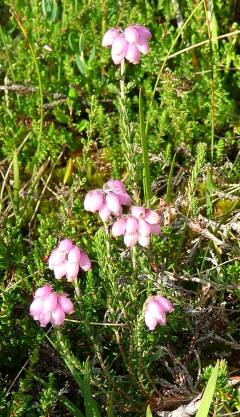
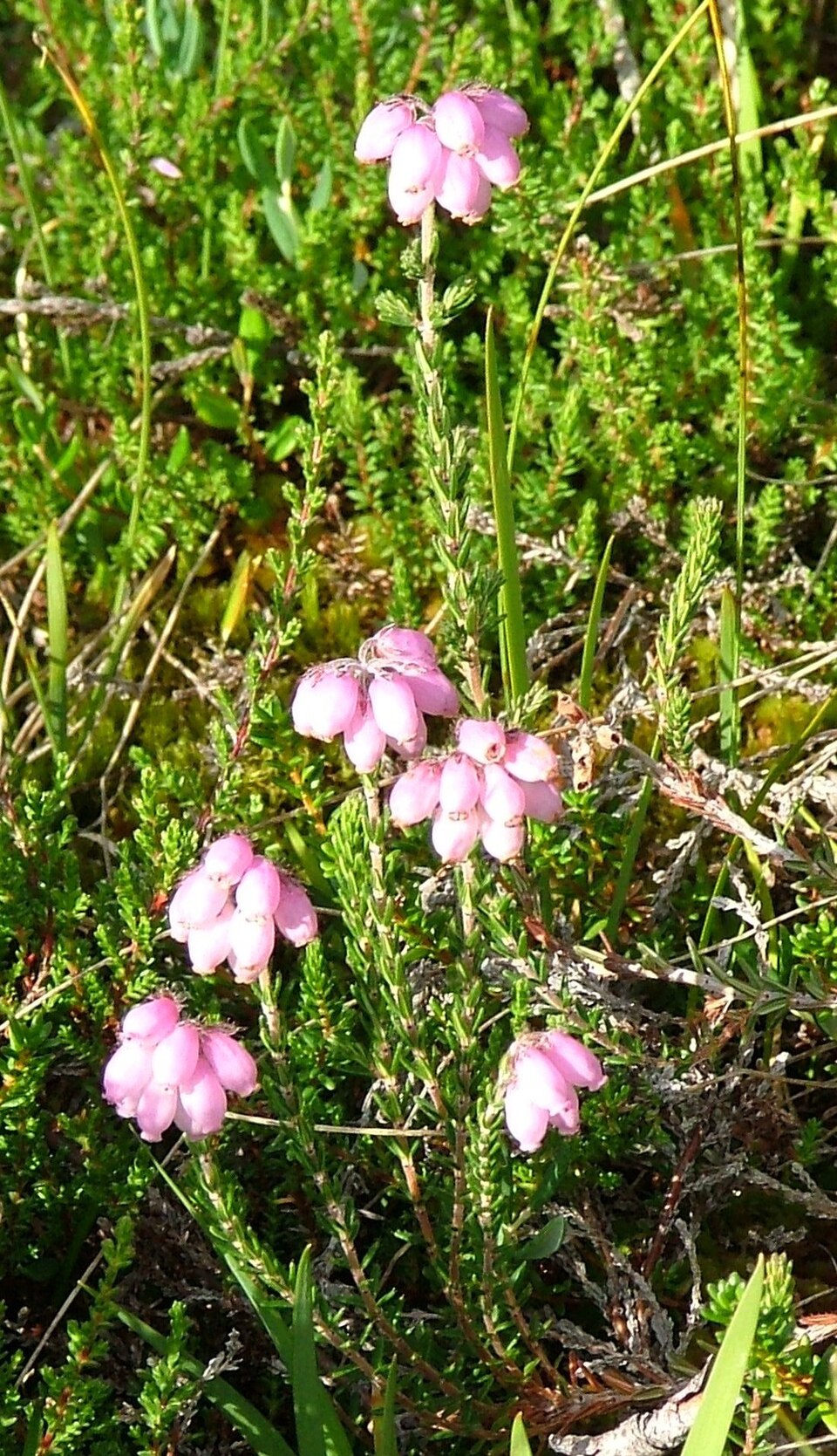
Erica is a genus of around 800 species of evergreen shrubs and subshrubs in the family Ericaceae, the great majority native to South Africa, with further species in Europe, the Mediterranean, and tropical African mountains. Plants range from prostrate mats a few inches high to upright shrubs, and a few tree heaths reach 20 feet (6 m). The narrow, needle-like leaves are arranged in whorls along wiry stems and stay green through the year. Small flowers, urn-shaped, tubular, or bell-shaped and 0.1 to 1 inch (3 to 25 mm) long, are crowded along the stems in shades of pink, purple, red, white, and occasionally yellow or green. European species such as E. carnea and E. cinerea are low and hardy, while many South African species are tender and bear larger, more brightly coloured tubular flowers. Most species need acidic, sharply drained soil low in nutrients and fail on chalk. Flowering varies by species across the year, so a mixed planting can carry colour through most seasons. The genus is closely related to the heathers of the genus Calluna.
Native Range
Native chiefly to South Africa, where the genus has its center of diversity in the Cape region, with additional species across Europe, the Mediterranean basin, and the mountains of tropical and eastern Africa.Suggested Uses
Planted in heath and rock gardens, as evergreen ground cover, in mixed beds with dwarf conifers, and in containers of acidic compost. Winter-flowering species extend colour in the cold-season garden. The flowers are visited by bees and, in South Africa, by sunbirds.How to Identify
Appearance
Size & Dimensions
Height4" - 20'
Width/Spread1' - 4'
Colors
Bloom Information
Flowering time depends on the species and spans the whole year across the genus. E. carnea flowers in winter and early spring, E. cinerea in summer, and many South African species at other times. Individual plants stay in flower for several weeks to a few months.
Detailed Descriptions
Flower Description
pink, purple, red, white, and occasionally yellowFoliage Description
green; some cultivars gold, bronze, or greyGrowing Conditions
Sun Requirements
Requires 6-12 hours of direct sunlight daily
• Full Sun: 6+ hours of direct sunlight
• Partial Shade: 3-6 hours of direct sunlight
• Full Shade: Less than 3 hours of direct sunlight
Water & Climate
Water Needs
Care & Maintenance
Care Guide
Erica species need full sun and acidic, free-draining soil that stays low in nutrients, with most failing on alkaline or chalky ground; E. carnea and its hybrids tolerate neutral to slightly limy soil better than the rest. Soil pH from 4.5 to 6.5 suits the genus. Even moisture supports growth, but the roots rot in waterlogged conditions, and shallow roots dry out quickly in drought. Hardy European species withstand frost, while South African species are tender and grown under glass in cool climates. A light trim after flowering keeps plants compact, as growth from old bare wood is sparse.Pruning
A light trim after flowering removes the spent flower spikes and the season's soft growth, keeping plants dense and rounded. Cutting into old leafless wood is avoided because most species regrow poorly from it. Winter- and spring-flowering species are trimmed in spring, and summer-flowering species in autumn.Pruning Schedule
Prune: March–April & September
early springfall
Container Growing
Suitable for container growing
Minimum container size: 2 gallons