Image 1 of 12
1 / 12
Plant Reference
Erica, Genus, spp., Multiple species,
- Genus
- Multiple species
heath
Europe, South Africa (center of diversity in the Cape region with 700+ species)
Overview
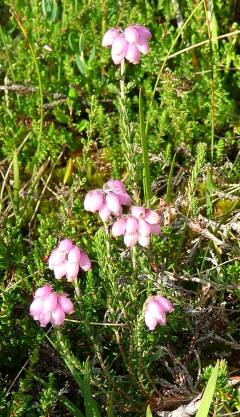
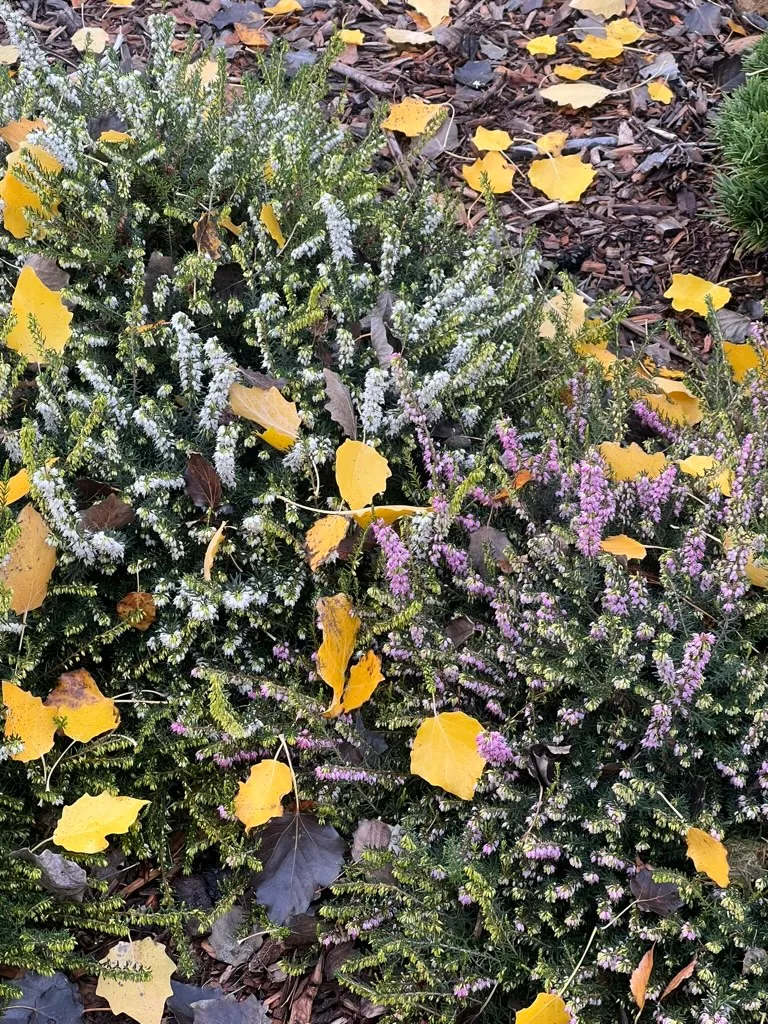
Erica is a genus of approximately 860 species of evergreen shrubs in the heath family (Ericaceae), growing 6–72 inches (15–180 cm) tall and 12–48 inches (30–120 cm) wide depending on species. Tiny urn-shaped to tubular flowers 0.15–0.3 inch (4–8 mm) in pink, purple, white, or red in terminal racemes. Needle-like tiny leaves 0.1–0.25 inch (2–6 mm) in whorls along the stems. The genus contains over 700 species in the South African Cape region (the center of diversity) and approximately 20 species in Europe. European species cultivated in the Pacific Northwest: E. carnea (winter heath — 6–12 inches / 15–30 cm, January–April bloom, zone 5), E. × darleyensis (Darley Dale heath — 12–18 inches / 30–45 cm, January–April, zone 6), E. vagans (Cornish heath — 12–24 inches / 30–60 cm, June–September, zone 5), E. cinerea (bell heath — 12–18 inches / 30–45 cm, June–August, zone 5). Distinguished from Calluna (heather): in Erica, the corolla (petal tube) is visible and longer than the calyx; in Calluna, the calyx conceals the shorter corolla. Acidic soil required (pH 4.5–6.0) — intolerant of alkaline soil, heavy clay, and waterlogging. Shear lightly after flowering — do not cut into old bare wood (it will not regenerate). Non-toxic. Deer-resistant. Full sun (5+ hours). Zones 5–10 (varies by species). This entry represents the genus. Growth rate is moderate.
Native Range
Center of diversity in the South African Cape region (700+ species). European species (20 species) native from Britain and Scandinavia south to the Mediterranean. The commonly cultivated heaths are European species.Suggested Uses
Grown in heath gardens, rock gardens, and as groundcover in zones 5–10 (varies by species). Acidic soil required. Combine winter- and summer-blooming species for 8+ months of bloom. Non-toxic. Deer-resistant.How to Identify
Appearance
Size & Dimensions
Height6" - 6'
Width/Spread1' - 4'
Bloom Information
Detailed Descriptions
Flower Description
Pink, purple, white, or red; tiny urn-shaped to tubular, 0.15-0.3 inch (4-8 mm), in terminal racemesFoliage Description
Needle-like, tiny, 0.1-0.25 inch (2-6 mm), in whorls; green, gold, or bronze depending on species and cultivarGrowing Conditions
Sun Requirements
Requires 5-10 hours of direct sunlight daily
• Full Sun: 6+ hours of direct sunlight
• Partial Shade: 3-6 hours of direct sunlight
• Full Shade: Less than 3 hours of direct sunlight
Care & Maintenance
Care Guide
Full sun (5+ hours). Acidic soil pH 4.5–6.0 — intolerant of alkaline soil, heavy clay, and waterlogging. Shear lightly after flowering — do not cut into old bare wood. Non-toxic. Deer-resistant. Zones 5–10 (varies by species).Pruning
Shear lightly after flowering to remove spent blooms and maintain compact form. Winter-flowering species: shear in spring. Summer-flowering species: shear in fall. Do not cut into old bare wood — it will not regenerate.Pruning Schedule
Prune: April–May
spring
Container Growing
Suitable for container growing
Minimum container size: 3 gallons