Persicaria, Genus, punctata, Species,
- Genus & species
dotted smartweed
Overview
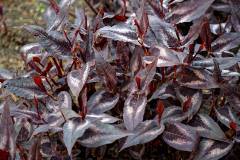
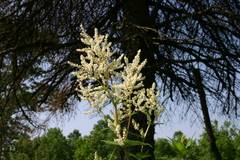
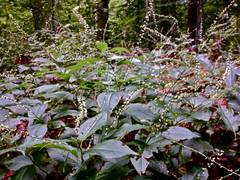
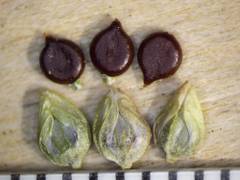
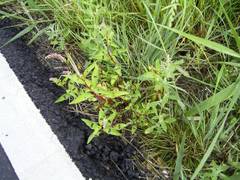
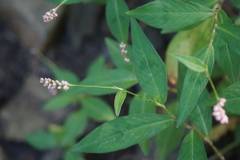
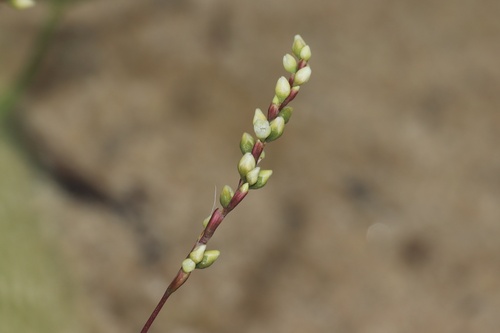
Persicaria punctata is a slender annual or short-lived perennial in the knotweed family, growing 1-3 feet (30-90 cm) tall in wet ground. The erect, often reddish, jointed stems carry alternate lance-shaped leaves 2-5 inches (5-13 cm) long, each joint wrapped by a papery sheath (ocrea) fringed with bristles that is characteristic of the genus. From July to October the plant produces narrow, interrupted flower spikes 1-3 inches (2.5-8 cm) long, lined with tiny greenish-white flowers; the calyx is sprinkled with sunken glandular dots that give the species its name and a peppery taste when crushed. Small three-sided black achenes follow, feeding waterfowl and songbirds. P. punctata colonizes pond margins, ditches, marshes, wet meadows, and stream banks throughout much of North America, tolerating standing water and seasonal flooding. It does not persist in dry soil and can spread aggressively in disturbed wet ground. Bees and other small insects visit the flowers. The plant reseeds freely and forms loose stands rather than dense mats.
Native Range
Native to North, Central, and South America, ranging across most of the United States and southern Canada in wetlands, with a broad presence in the eastern and central states.Suggested Uses
Used in rain gardens, pond edges, constructed wetlands, and bioswales where soils stay wet. The seeds support waterfowl and songbirds in naturalized basins. Its tendency to reseed makes it less suited to tidy, formal beds.How to Identify
Appearance
Size & Dimensions
Height1' - 3'
Width/Spread1' - 2'
Bloom Information
Detailed Descriptions
Foliage Description
greenGrowing Conditions
Sun Requirements
Requires 4-12 hours of direct sunlight daily
• Full Sun: 6+ hours of direct sunlight
• Partial Shade: 3-6 hours of direct sunlight
• Full Shade: Less than 3 hours of direct sunlight