Persicaria, Genus, maculosa, Species,
- Genus & species
lady's thumb
SunFull Sun – Part Shade
WaterMedium
Overview
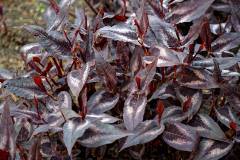
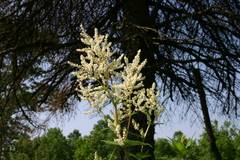
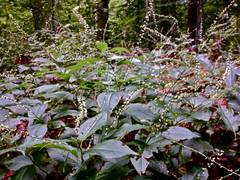
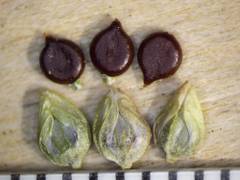
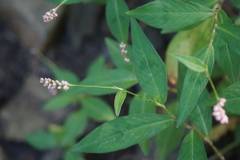
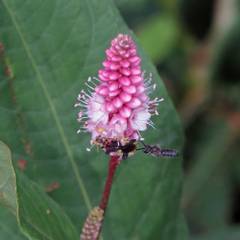
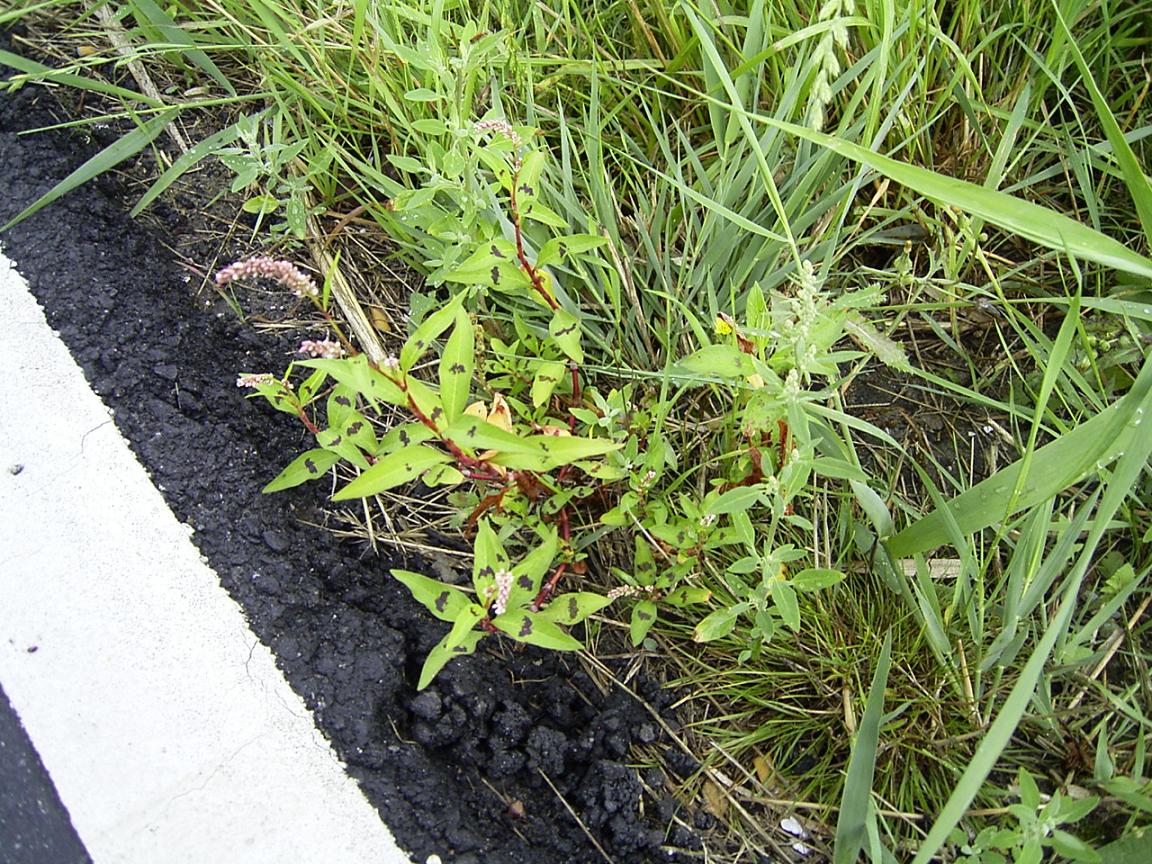
Persicaria maculosa (syn. Polygonum persicaria) is an erect to ascending annual in the family Polygonaceae reaching 12-36 inches (30-90 cm) tall and 8-18 inches (20-45 cm) wide. Stems are erect, branching, carrying swollen nodes and papery tubular sheaths (ocreae) at each node. The ocreae have bristle-like cilia (fringes) 1-3 mm long on the upper margin, and this character separates the species from P. lapathifolia. Leaves are alternate lance-shaped 2-6 inches (5-15 cm) long with entire margins. Most leaves carry a dark purplish-brown chevron or thumbprint-shaped blotch in the center of the upper surface, which is the source of the common name 'lady's thumb'. The blotch is variable and occasionally absent. Flowers are pink to purplish-pink, small, in dense ovoid to short-cylindrical erect spike-like racemes 0.4-1.2 inches (10-30 mm) long at stem tips and in upper leaf axils. Each flower carries 4-5 tepals. Fruit is a shiny dark brown to black lens-shaped or trigonous achene. A single plant produces 500-3,000 seeds, viable in soil for 5-10 years. The species occurs widely in moist gardens, cultivated fields, and disturbed ground throughout the Pacific Northwest.
Native Range
Persicaria maculosa is native to Europe and Asia, in cultivated fields, gardens, roadsides, and moist disturbed ground from sea level to approximately 7,000 feet (2,100 m). Naturalized across all 50 U.S. states and all Canadian provinces. The species occurs widely in annual-weed surveys of Pacific Northwest gardens.Suggested Uses
Used in Polygonaceae identification courses for the ocrea ciliation key: P. maculosa (ciliate, not peppery) versus P. lapathifolia (eciliate) versus P. hydropiper (ciliate, peppery taste). The leaf thumbprint blotch is a secondary diagnostic teaching feature. Seeds are studied in waterfowl diet ecology. Included in annual-garden-weed identification exercises.How to Identify
Appearance
Size & Dimensions
Height1' - 3'
Width/Spread8" - 1'6"
Bloom Information
Dense pink to purplish-pink spike-like racemes 0.4-1.2 inches (10-30 mm) long at stem tips and upper leaf axils, borne June through October over 8-10 weeks. Self-pollinating and insect-pollinated. Seeds mature 3-4 weeks after flowering. In the Pacific Northwest peak flowering falls in August through September. Seeds are consumed by songbirds and waterfowl.
Detailed Descriptions
Flower Description
Pink to purplish-pink; small flowers in dense ovoid to short-cylindrical erect spike-like racemes 0.4-1.2 inches (10-30 mm); June-OctoberFoliage Description
Medium green; lance-shaped alternate leaves typically carrying a dark purplish-brown chevron or thumbprint blotch in the center; ocreae with bristle-like cilia on the upper margin; deciduousGrowing Conditions
Sun Requirements
Requires 4-10 hours of direct sunlight daily
• Full Sun: 6+ hours of direct sunlight
• Partial Shade: 3-6 hours of direct sunlight
• Full Shade: Less than 3 hours of direct sunlight