Image 1 of 15
1 / 15
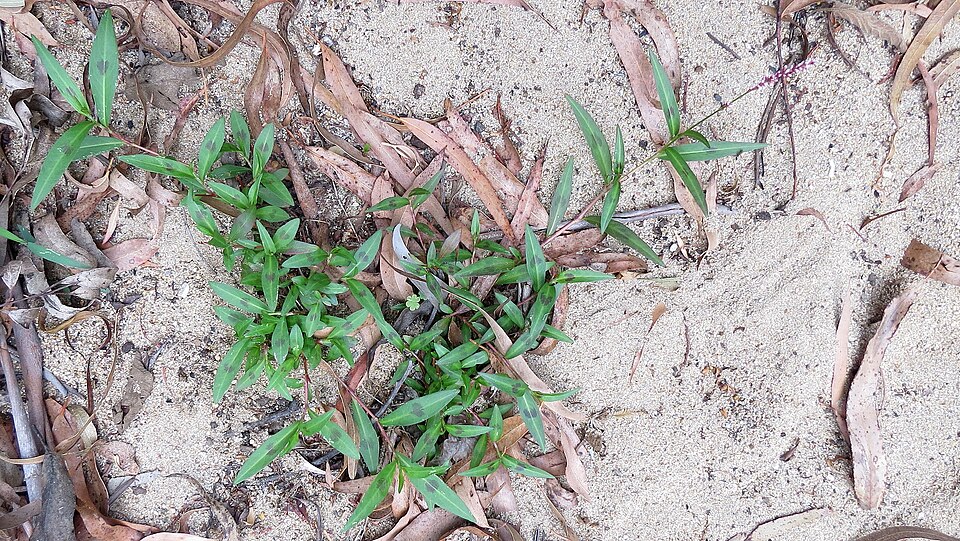
© John Tann from Sydney, Australia, some rights reserved (CC-BY) · Wikimedia Commons
Persicaria, Genus, spp., Multiple species,
- Genus
- Multiple species
knotweeds, smartweeds, and waterpeppers
Worldwide, most diverse in temperate and warm regions across all continents
Overview
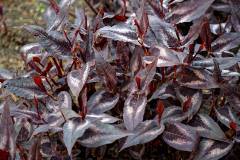
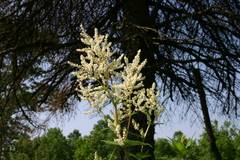
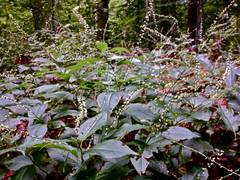
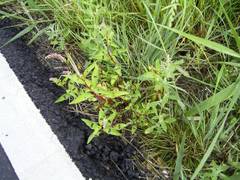
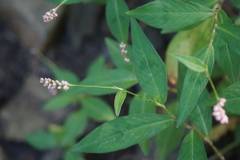
Persicaria is a genus of about 100 species of annual and perennial herbs in the Polygonaceae family, found on every continent and most common in damp ground, ditches, pond margins, and meadows. The genus, which includes the knotweeds, smartweeds, and waterpeppers, was once placed in Polygonum and shares the family's swollen stem joints wrapped in a papery sheath (ocrea). Leaves are usually lance-shaped, 2-10 inches (5-25 cm) long, and many carry a dark chevron or blotch in the center. Tiny flowers, white through pink to red, crowd into slender spikes or rounded heads from summer into fall on stems 6 to 72 inches (15 to 180 cm) tall. Ornamental species such as P. amplexicaulis are grown in borders for their long bloom, while P. maculosa and others self-seed into common garden and field weeds. Several species spread by creeping rhizomes and can crowd out neighbors in moist soil. The genus draws bees and other pollinators, and its seeds feed birds and waterfowl. Mile-a-minute weed (P. perfoliata), an aggressive annual vine, is a regulated invasive species in parts of North America.
Native Range
Persicaria occurs worldwide, with species native to North America, Europe, Asia, Africa, and beyond. North American natives include P. amphibia, P. pensylvanica, and P. virginiana, while P. maculosa and P. perfoliata are naturalized or invasive introductions.Suggested Uses
Ornamental species are grown in borders, rain gardens, and pond-side plantings for long summer-to-fall bloom. Native smartweeds are used in wetland restoration and wildlife plantings, where seeds feed birds and waterfowl. The flowers draw bees and butterflies.How to Identify
Appearance
Size & Dimensions
Height6" - 6'
Width/Spread1' - 4'
Bloom Information
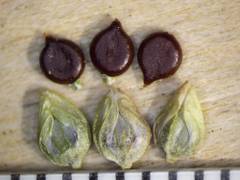
Bloom runs from summer into fall, generally June through October, with ornamental species flowering for many weeks. The small flowers open along slender spikes from the base upward and are visited by bees, flies, and butterflies. Cooler fall weather often deepens the pink and red tones. Seeds ripen and drop through fall.
Detailed Descriptions
Flower Description
pink to whiteFoliage Description
greenGrowing Conditions
Sun Requirements
Requires 4-8 hours of direct sunlight daily
• Full Sun: 6+ hours of direct sunlight
• Partial Shade: 3-6 hours of direct sunlight
• Full Shade: Less than 3 hours of direct sunlight
Care & Maintenance
Care Guide
Plants in this genus grow in full sun to part shade and prefer moist, fertile soil across pH 5.5-7.5, with several species thriving at pond edges and in seasonally wet ground. They tolerate clay and standing water that many perennials cannot, but most decline in hot, dry sites. Rhizomatous species spread steadily and may need a barrier or division to stay in bounds, while annual species rely on heavy self-seeding. Cutting back spent stems limits unwanted seedlings. Few pests are serious, though leaf beetles and rust appear on some species. Hardiness spans USDA zones 4-9 depending on species.Pruning
Cutting perennial species to the ground in late fall or early spring clears the dead stems before new growth. Shearing after the first bloom can prompt a fresh flush and reduce self-seeding. Removing flower spikes before the seeds ripen limits spread in weedy species.Container Growing
Suitable for container growing
Minimum container size: 3 gallons