Persicaria, Genus, lapathifolia, Species,
- Genus & species
dock-leaved smartweed
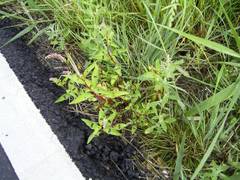
Cosmopolitan distribution with a probable origin in Eurasia; moist to wet cultivated fields, irrigation ditches, stream margins, floodplains, and wet waste ground from sea level to approximately 7,000 feet (2,100 m).
SunFull Sun – Part Shade
WaterHigh
Overview
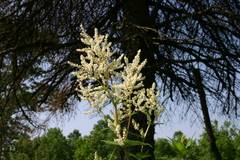
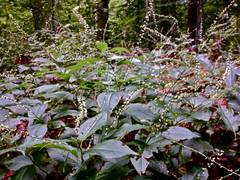
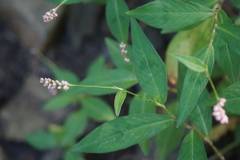
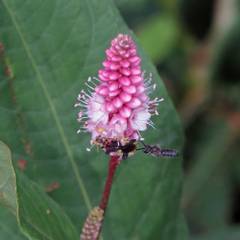
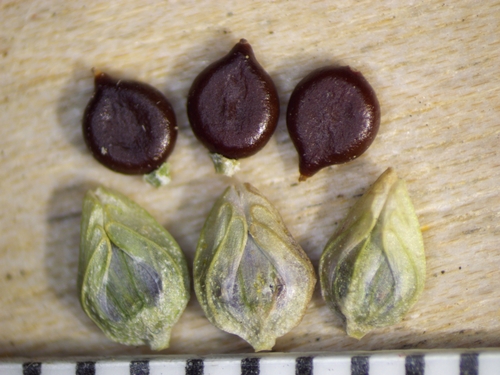
Persicaria lapathifolia (synonym Polygonum lapathifolium) is an erect to ascending annual reaching 12-48 inches (30-120 cm) tall and 12-24 inches (30-60 cm) wide, with branching stems that carry swollen nodes and papery tubular sheaths (ocreae) at each node. The ocreae lack cilia (fringes) on the upper margin, a key separation from P. hydropiper and P. maculosa. Leaves are alternate, lance-shaped to broadly elliptic, 2-8 inches (5-20 cm) long, with entire margins and often a dark chevron-shaped blotch on the upper surface, though the blotch is variable and sometimes absent. Leaf undersides often carry tiny glandular dots. Small greenish-white to pink flowers open in dense cylindrical erect-to-nodding spike-like racemes 0.8-3 inches (20-75 mm) long at stem tips and in the upper leaf axils. Each flower has 4-5 tepals rather than separate petals and sepals, which is the typical Polygonaceae floral structure. Fruit is a shiny dark brown lens-shaped achene 0.08-0.1 inch (2-3 mm) across. A single plant produces 500-3,000 seeds that persist in soil for 5-10 years. The species is widespread in moist cultivated fields, irrigation ditches, and riparian areas across the Pacific Northwest.
Native Range
Persicaria lapathifolia has a cosmopolitan distribution with a probable origin in Eurasia, though the species has been naturalized worldwide for so long that pinning down an exact origin is not possible from the historical record. Plants grow in moist to wet cultivated fields, irrigation ditches, stream margins, floodplains, and wet waste ground from sea level to approximately 7,000 feet (2,100 m) and are present in all 50 U.S. states and all Canadian provinces.Suggested Uses
The species is used in Polygonaceae identification courses for teaching ocrea morphology, which is the primary family diagnostic. The ocrea-ciliation key (P. lapathifolia = no cilia, P. maculosa = ciliate, P. hydropiper = ciliate plus peppery taste) is a standard identification exercise covering the three common regional Persicaria species. Seeds are a food source for waterfowl and are studied in wetland wildlife ecology, and the species is included in agricultural weed identification curricula for moist-field crop systems.How to Identify
Appearance
Size & Dimensions
Height1' - 4'
Width/Spread1' - 2'
Bloom Information
Dense cylindrical racemes 0.8-3 inches (20-75 mm) long open from June through October, blooming from the base of each raceme upward over a total bloom span of 8-10 weeks, with peak flowering in the Pacific Northwest in August through September. Flowers are self-pollinating and insect-pollinated. Seeds mature 3-4 weeks after flowering.
Detailed Descriptions
Flower Description
Greenish-white to pink; small flowers in dense cylindrical erect-to-nodding spike-like racemes 0.8-3 inches (20-75 mm) long at stem tips and in the upper leaf axilsFoliage Description
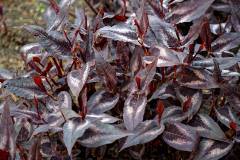
Medium green; lance-shaped to broadly elliptic, alternate, 2-8 inches (5-20 cm) long, with entire margins and often a dark chevron-shaped blotch on the upper surface (variable, sometimes absent); leaf undersides often carry tiny glandular dots; each stem node bears a swollen joint wrapped in a papery tubular sheath (ocrea) without cilia on the upper marginGrowing Conditions
Sun Requirements
Requires 4-10 hours of direct sunlight daily
• Full Sun: 6+ hours of direct sunlight
• Partial Shade: 3-6 hours of direct sunlight
• Full Shade: Less than 3 hours of direct sunlight