Penstemon, Genus, pallidus, Species,
- Genus & species
pale beardtongue
Eastern and central North America, from Ontario south to Georgia and west to Kansas
Overview
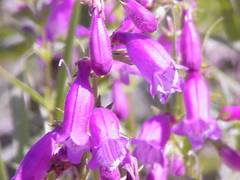
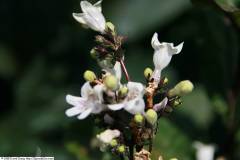
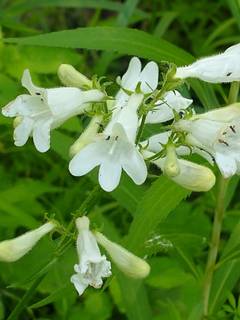
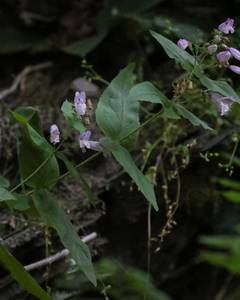
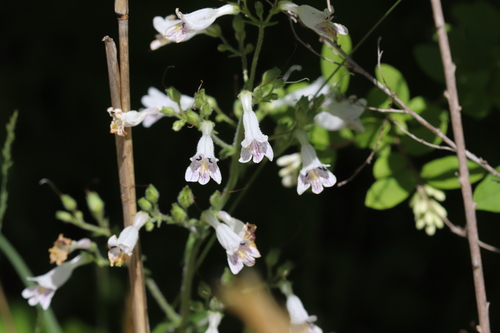
Penstemon pallidus is an eastern native beardtongue that grows 18–30 inches (45–75 cm) tall and 12–18 inches (30–45 cm) wide. The species name 'pallidus' means 'pale', describing the white to pale lavender tubular flowers 0.75 inch (2 cm) long that appear in May and June. Faint purple guidelines (nectar guides) in the flower throat direct pollinators toward the nectar reward. The pale color is subtle compared to showier western penstemons, but the plant fills an important ecological role as a pollinator plant in eastern native gardens. Hummingbirds visit the tubular flowers readily despite the pale color. Medium green lance-shaped slightly pubescent leaves form a basal rosette with upright flower stems. The eastern native origin makes this more tolerant of humidity, clay, and partial shade than many western penstemon species, which require sharp drainage and full sun. The species self-sows moderately, naturalizing in favorable conditions. Individual plants may be short-lived (2–3 years) but the self-sown seedlings maintain the colony. Deer avoid the foliage.
Native Range
Penstemon pallidus is native to eastern and central North America, from Ontario south to Georgia and west to Kansas. It grows in open woodlands, prairies, roadsides, and dry meadows.Suggested Uses
Used in native plant gardens, meadow plantings, pollinator gardens, and along woodland edges. The eastern adaptation makes this suited to gardens east of the Mississippi where western penstemons struggle. The pale flowers add a subtle, refined element to native plantings.How to Identify
Appearance
Size & Dimensions
Height1'6" - 2'6"
Width/Spread1' - 1'6"
Colors
Bloom Information
Detailed Descriptions
Flower Description
White to pale lavender, tubular, with faint purple guidelines in the throatFoliage Description
Medium green, lance-shaped, slightly pubescentGrowing Conditions
Sun Requirements
Requires 5-10 hours of direct sunlight daily
• Full Sun: 6+ hours of direct sunlight
• Partial Shade: 3-6 hours of direct sunlight
• Full Shade: Less than 3 hours of direct sunlight
Care & Maintenance
Care Guide
Plant in full sun to partial shade with 5–10 hours of light. Well-drained soil; tolerates more humidity and clay than western penstemons. Do not fertilize. Water sparingly. Allow self-sowing for colony maintenance, as individual plants may be short-lived. Cut spent flower spikes after bloom.Pruning
Cut spent flower spikes back. Allow some seeds to mature for self-sowing if naturalization is desired. Clean up basal foliage in early spring.Pruning Schedule
Prune: March & July
summerearly spring
Container Growing
Suitable for container growing
Minimum container size: 3 gallons