Penstemon, Genus, palmeri, Species,
- Genus & species
Palmer's penstemon
Overview
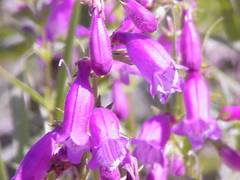
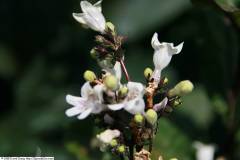
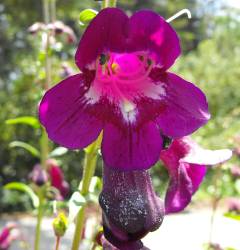
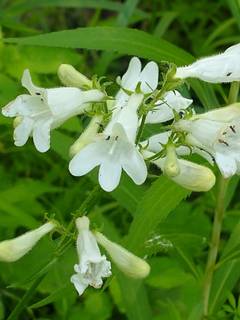
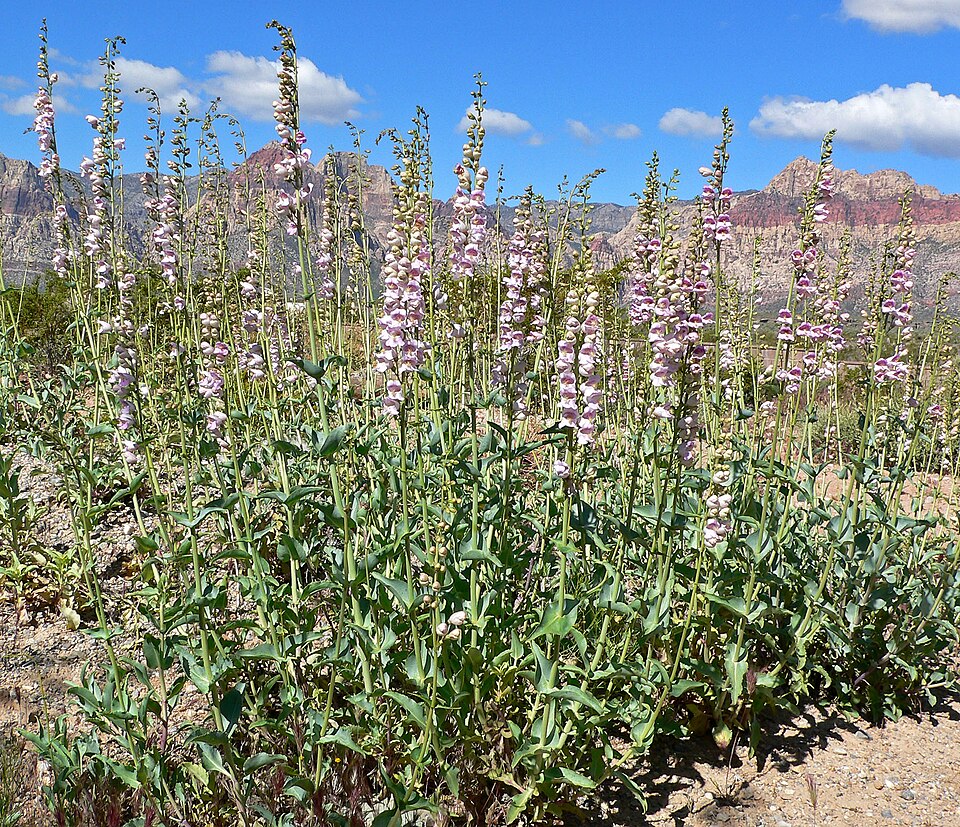
Penstemon palmeri is a short-lived perennial that grows 3-6 feet (90-180 cm) tall and 12-18 inches (30-45 cm) wide. Upright flower stems rise from a basal rosette of thick, blue-green leaves. The leaves are coarsely toothed and clasp the stem, with the upper pairs fused around it. From late spring into summer it produces pink to pale rose flowers 1-1.5 inches (25-38 mm) long, each inflated into a rounded, open throat marked with darker nectar guides. The flowers carry a light fragrance, which is uncommon in the genus Penstemon. Plants are native to the desert Southwest and grow on well-drained, gravelly or sandy soils. P. palmeri needs full sun and sharp drainage; in heavy or wet soils the roots rot and plants die within one to two seasons. Even in suitable sites individual plants persist only three to four years, though they self-seed where soil is open. The flowers draw bees and hummingbirds. Established plants tolerate extended drought and need no supplemental water once rooted. Hardy in USDA zones 4-8.
Native Range
Penstemon palmeri is native to the desert Southwest of the United States, including Utah, Nevada, Arizona, southern California, and New Mexico. It grows on dry slopes, washes, and roadsides at 3,000-7,500 feet (900-2,300 m), often in disturbed gravelly ground.Suggested Uses
Used in dry gardens, rock gardens, and revegetation plantings on poor soils. Suited to xeriscape borders and slopes where its height adds vertical structure. Spaced 18-24 inches (45-60 cm) apart in massed plantings.How to Identify
Appearance
Size & Dimensions
Height3' - 6'
Width/Spread1' - 1'6"
Colors
Bloom Information
Detailed Descriptions
Flower Description
Pink to pale roseFoliage Description
Blue-greenGrowing Conditions
Sun Requirements
Requires 6-12 hours of direct sunlight daily
• Full Sun: 6+ hours of direct sunlight
• Partial Shade: 3-6 hours of direct sunlight
• Full Shade: Less than 3 hours of direct sunlight
Care & Maintenance
Care Guide
Plant in full sun in gritty, fast-draining soil; sand, gravel, or decomposed granite are suitable. Water sparingly during establishment, then withhold irrigation, as standing moisture causes root rot. Soil of low to moderate fertility produces sturdier stems than rich ground, which encourages floppy growth. Plants tolerate cold to about -30 F (-34 C) but fail in winter-wet soils. Self-sown seedlings replace short-lived parent plants if some seed heads are left to ripen. No fertilizer is needed in typical garden soils.Pruning
Cut spent flower stems back after bloom, or leave some to self-seed. Remove dead foliage in late winter before new growth begins. Cutting into the woody base is slow to regenerate and is left intact.Pruning Schedule
Prune: July–August
summer