Image 1 of 17
1 / 17
Plant Reference
Penstemon, Genus, hybrids, Species,
- Genus & species
beard tongue
Almost exclusively North America (Alaska to Guatemala); greatest diversity in the western US
Overview
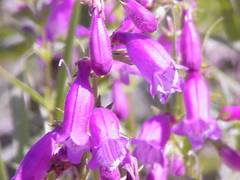
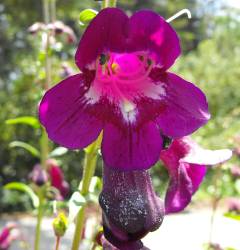
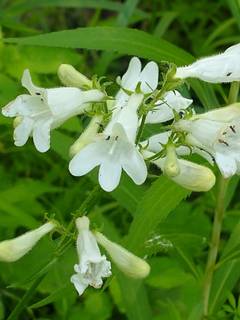
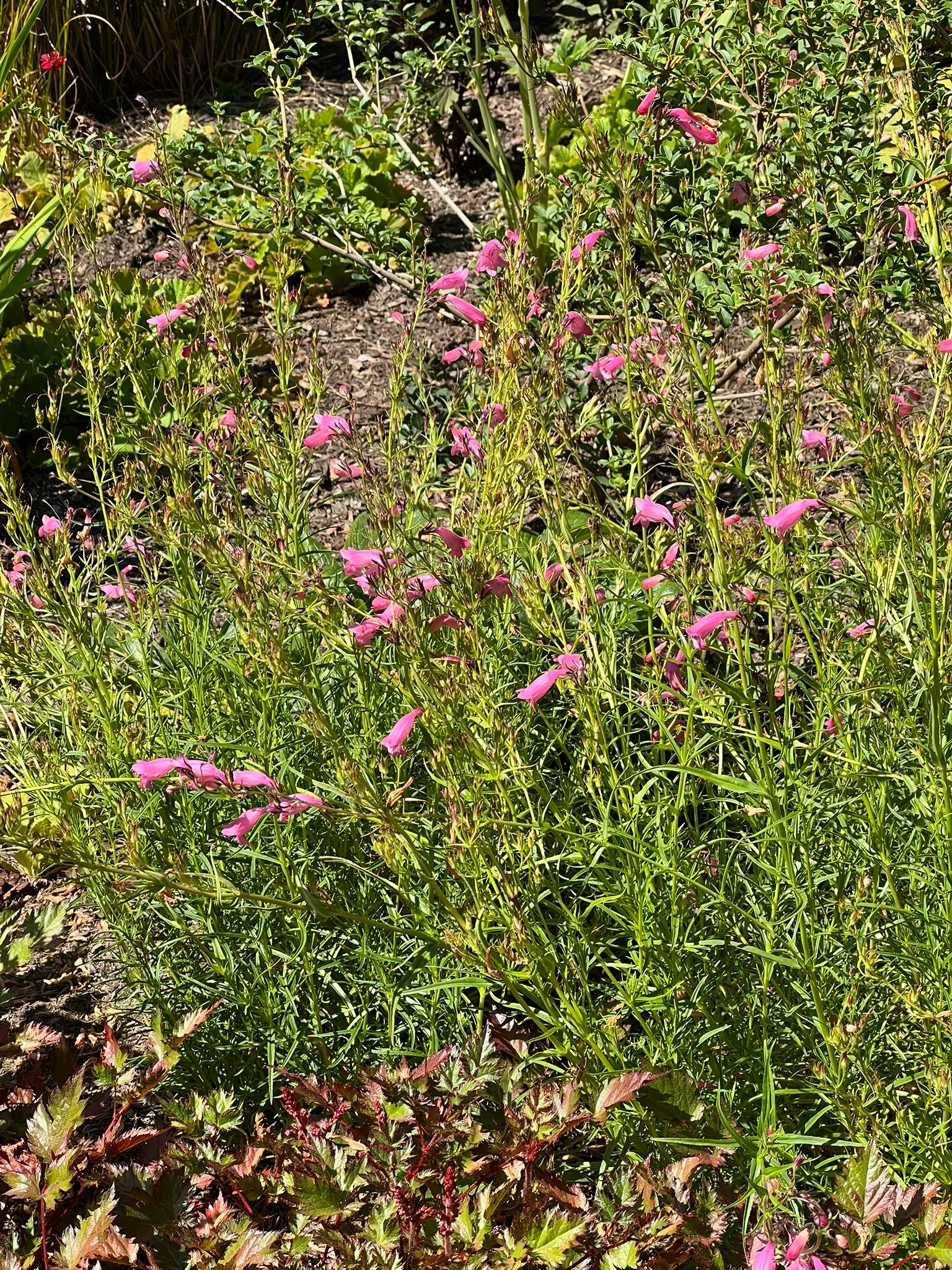
Penstemon is a genus of approximately 275 species of perennials (beard tongues), almost exclusively native to North America — the largest genus of flowering plants endemic to the continent. Growing 12–48 inches (30–120 cm) tall and 12–24 inches (30–60 cm) wide. Tubular flowers 1–2 inches (2.5–5 cm) in red, pink, purple, blue, white, or bicolor in terminal racemes from late spring to midsummer. The tubular flower contains a hairy staminode (sterile stamen with a tuft of hairs) — this 'beard' inside the flower tube gives the common name 'beard tongue.' Hummingbird-visited — the tubular flowers are a primary hummingbird nectar source in western North America. In the plantain family (Plantaginaceae), formerly Scrophulariaceae. Pacific Northwest native species: P. cardwellii (mat-forming, purple, 12 inches / 30 cm), P. davidsonii (alpine, purple, 6 inches / 15 cm), P. serrulatus (cascade penstemon, blue-purple, 24 inches / 60 cm). Many species are short-lived perennials (3–5 years) — they decline in heavy wet soil. Sharp drainage is non-negotiable: root rot in winter-wet soil is the primary cause of failure. Allow some seed set for replacement plants. Drought-tolerant once established. Full sun (6+ hours). Non-toxic. Deer-resistant. Zones 4–9. This entry represents the genus. Growth rate is moderate.
Native Range
Almost exclusively North America — approximately 275 species from Alaska to Guatemala. Greatest diversity in the western United States. Pacific Northwest natives include P. cardwellii, P. davidsonii, and P. serrulatus.Suggested Uses
Grown in rock gardens, borders, and native plantings in zones 4–9. The tubular flowers are a primary hummingbird nectar source. Sharp drainage required. PNW natives: P. cardwellii, P. davidsonii, P. serrulatus. Non-toxic. Deer-resistant. Native.How to Identify
Appearance
Size & Dimensions
Height1' - 4'
Width/Spread1' - 2'
Bloom Information
Detailed Descriptions
Flower Description
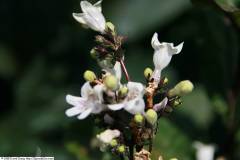
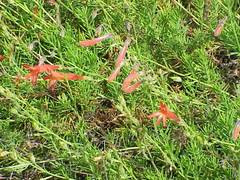
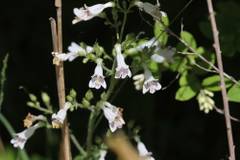
Red, pink, purple, blue, white, or bicolor; tubular, 1-2 inches (2.5-5 cm), with a hairy staminode (the 'beard' that gives the common name); in terminal racemesFoliage Description
Medium to dark green, lance-shaped to oval, opposite, 1-3 inches (2.5-7 cm); some species with gray-green or glaucous foliageGrowing Conditions
Sun Requirements
Requires 6-10 hours of direct sunlight daily
• Full Sun: 6+ hours of direct sunlight
• Partial Shade: 3-6 hours of direct sunlight
• Full Shade: Less than 3 hours of direct sunlight
Care & Maintenance
Care Guide
Full sun (6+ hours). Sharp drainage non-negotiable — root rot in winter-wet soil is the primary failure cause. Drought-tolerant. Short-lived (3–5 years) — allow seed set for replacements. Hummingbird-visited. Non-toxic. Deer-resistant. Native. Zones 4–9.Pruning
Cut back dead stems in early spring (March). Remove spent flower spikes during bloom for continued flowering. Allow some seed set for replacement plants (short-lived perennials).Pruning Schedule
Prune: March
early spring
Container Growing
Suitable for container growing
Minimum container size: 3 gallons