Penstemon, Genus, smallii, Species,
- Genus & species
smalls beardtongue
Southeastern United States — Appalachian Mountains from Virginia to Georgia; rocky slopes and open woodlands at mid-elevations of 1,500-4,000 feet (450-1,200 m).
Overview
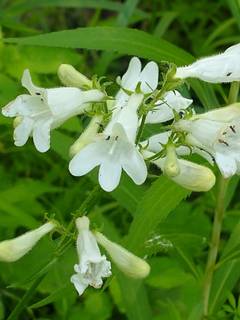
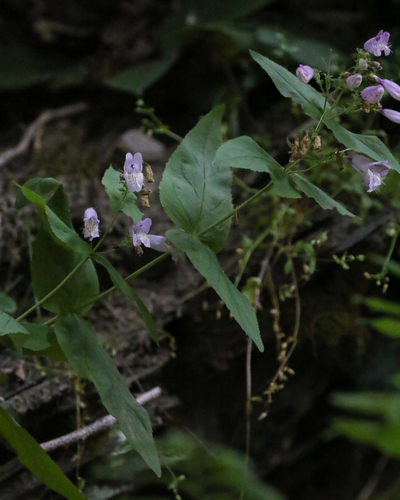
Penstemon smallii is Small's beardtongue (Appalachian penstemon), a clumping native perennial in the plantain family (Plantaginaceae) growing 18-24 inches (45-60 cm) tall and 12-18 inches (30-45 cm) wide. The genus Penstemon was historically placed in the Scrophulariaceae family in older botanical literature; molecular phylogenetic studies in the 1990s and 2000s reclassified the genus into the Plantaginaceae family along with Veronica, Digitalis, Antirrhinum, and several other genera that older texts had distributed across multiple families. The reclassification reflects the underlying genetic relationships uncovered by DNA-based phylogenetic methods, and the Plantaginaceae placement is the current taxonomic standard. Lavender-pink to rose-purple tubular flowers 1 inch (2.5 cm) long with a white throat and purple nectar guidelines (the dark stripes on the inner throat surface that direct pollinators toward the nectar) appear in terminal racemes from May through June across a 4-week active flowering window. The tubular flower architecture and the warm-pink-to-purple color place the species in the hummingbird-pollinated flower syndrome that several Penstemon species share, and ruby-throated hummingbirds work the flowers across the species' eastern North American native range. Dark green glossy toothed lance-shaped leaves 2-4 inches (5-10 cm) long form a basal rosette and continue along the lower flowering stems, with the foliage turning burgundy-bronze in fall and persisting through mild winters as a semi-evergreen secondary display. The species was named for botanist John Kunkel Small (1869-1938), who collected and described many southeastern North American native plants in the late 19th and early 20th centuries. Penstemon smallii is native to the Appalachian Mountains from Virginia to Georgia, occurring on rocky slopes and open woodlands at mid-elevations of 1,500-4,000 feet (450-1,200 m). The species ranks at the top of humidity-tolerant Penstemon species, performing in the southeastern United States where most western Penstemon species fail from fungal diseases that develop in humid conditions; the Appalachian native range gives the species its humidity tolerance, and the species is the principal Penstemon recommendation for southeastern gardens. The species is short-lived as a perennial (typically 3-5 years before the original plant declines), but self-sows in well-drained sites to replace aging individuals, producing a self-sustaining colony that maintains itself across decades from a single initial planting. The species does not tolerate wet winter soil — crown rot in poorly drained sites is the principal cultivation limitation, and well-drained planting positions are required for reliable winter survival. Deer avoid the foliage from the bitter-tasting iridoid glycoside compounds that the genus produces.
Native Range
Penstemon smallii is native to the southeastern United States, with a range concentrated in the Appalachian Mountains from Virginia south through North Carolina, Tennessee, and northern Georgia. The species occurs on rocky slopes, open woodlands, and granite outcrops at mid-elevations of 1,500-4,000 feet (450-1,200 m), where the well-drained rocky substrate and the partial shade of the Appalachian forest canopy create the cultivation conditions that the species evolved with. The species is among the few Penstemon species native to the southeastern United States; most other Penstemon species (and most of the showy garden cultivars in the genus) are native to the dry mountain west and the southwestern United States, where the dry-summer climate and well-drained rocky soils suit the genus' broader habitat preferences.Suggested Uses
Used in native plant gardens, rock gardens, woodland edges, naturalistic perennial borders, and container plantings of 3 gallons (11 liters) or larger. The Appalachian-native humidity tolerance suits the species to southeastern United States gardens where most other Penstemon species fail; the species is the principal Penstemon recommendation for the southeastern humid-summer climate. The hummingbird-pollinated tubular flowers add the species to hummingbird gardens as a late-spring nectar source, complementing summer-blooming hummingbird-pollinated companions (Salvia, Monarda, Lobelia cardinalis) for a continuous nectar-source sequence. Self-sowing is allowed in lean rocky positions where the colony self-maintains; deadheading after bloom controls self-sowing where a non-spreading specimen is desired.How to Identify
Appearance
Size & Dimensions
Height1'6" - 2'
Width/Spread1' - 1'6"
Colors
Bloom Information
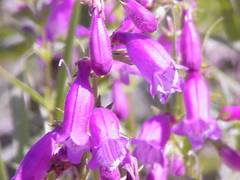
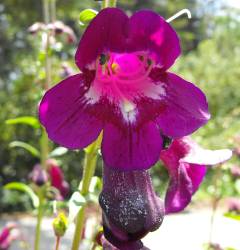
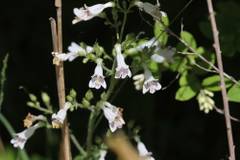
Lavender-pink to rose-purple tubular flowers 1 inch (2.5 cm) long with a white throat and purple nectar guidelines open in terminal racemes from May through June across a 4-week active flowering window. The tubular flower architecture and the warm-pink-to-purple color place the species in the hummingbird-pollinated flower syndrome, and ruby-throated hummingbirds work the flowers across the species' eastern North American native range; bumblebees and other large bees also work the flowers as secondary pollinators by forcing entry into the flower throat. The white throat and the dark purple nectar guidelines together direct pollinators toward the nectar reward at the back of the tubular flower, with the visual contrast acting as a landing-target for visiting hummingbirds.
Detailed Descriptions
Flower Description
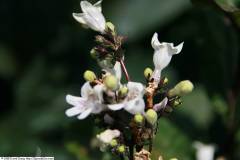
Lavender-pink to rose-purple tubular flowers 1 inch (2.5 cm) long with a white throat and purple nectar guidelines on the inner throat surface, carried in terminal racemes above the foliage; the tubular flower architecture and the warm-pink color place the species in the hummingbird-pollinated flower syndromeFoliage Description
Dark green; glossy toothed lance-shaped leaves 2-4 inches (5-10 cm) long arranged in a basal rosette and along the lower flowering stems, the foliage turning burgundy-bronze in winter and persisting through mild winters as a secondary winter foliage displayGrowing Conditions
Sun Requirements
Requires 4-8 hours of direct sunlight daily
• Full Sun: 6+ hours of direct sunlight
• Partial Shade: 3-6 hours of direct sunlight
• Full Shade: Less than 3 hours of direct sunlight
Care & Maintenance
Care Guide
Plant in full sun to partial shade with 4-8 hours of direct light. Well-drained soil at pH 5.5-7.0 supports the species; the principal cultivation requirement is well-drained planting position because the species does not tolerate wet winter soil and crown rot in poorly drained sites is the main loss-cause in marginal-zone gardens. Watering is during establishment only because the species is drought-tolerant once the root system develops. Fertilization is omitted because lean conditions produce the sturdiest growth and the strongest winter survival. The plant is short-lived as an individual (typically 3-5 years before decline), so allowing self-sowing in the surrounding planting area maintains the colony across the long term as the original plants age out and seedlings replace them; deadheading after bloom prevents self-sowing, and the choice between deadheading and allowing seed production depends on whether the gardener wants a self-sustaining colony or a non-spreading specimen.Pruning
Spent flower spikes are cut back to the basal foliage after bloom completes in July, except where self-sowing is wanted (in which case the seed heads are left to mature and disperse before cutting). The semi-evergreen basal rosette is left through winter because the burgundy-bronze foliage persists through mild winters as a winter-interest feature. Dead stems are removed in early spring (March) before new growth emerges from the crown.Pruning Schedule
Prune: March & July
summerearly spring
Container Growing
Suitable for container growing
Minimum container size: 3 gallons