Image 1 of 16
1 / 16
Plant Reference
Penstemon, Genus, digitalis, Species,
- Genus & species
foxglove beardtongue
Eastern and central United States (Maine to South Dakota, south to Florida and Texas)
Overview
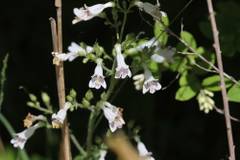
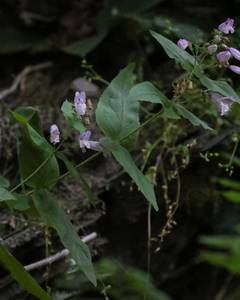
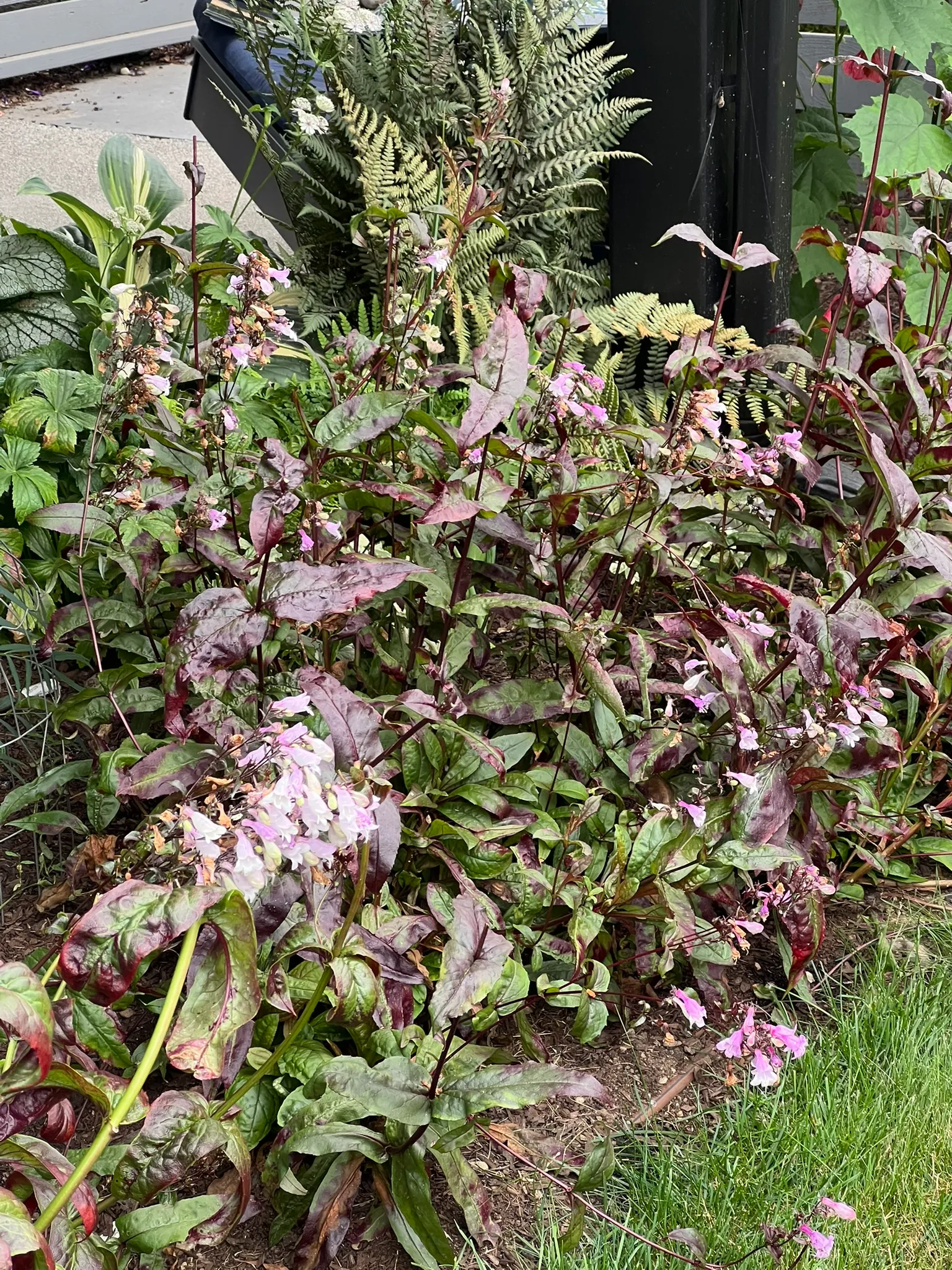
Penstemon digitalis is foxglove beardtongue, a semi-evergreen perennial growing 24-48 inches (60-120 cm) tall and 18-24 inches (45-60 cm) wide. White tubular two-lipped flowers 1-1.25 inches (2.5-3 cm) with faint purple guidelines (nectar guides) inside the throat in loose terminal panicles from late spring to summer (May-July). The species name 'digitalis' references the resemblance to foxglove (Digitalis) — but P. digitalis is non-toxic. The common name 'beardtongue' references the hairy staminode (sterile stamen) inside the flower tube. Medium green to reddish-burgundy semi-glossy lance-shaped opposite foliage. 'Husker Red' (1996 Perennial Plant of the Year) has dark reddish-burgundy foliage. In the plantain family (Plantaginaceae), formerly Scrophulariaceae. Hummingbird-visited and native bee specialist plant. Short-lived perennial (3-5 years): self-sows freely to maintain the colony. Tolerates clay and moist soil — unlike most western Penstemon species that require sharp drainage. Native to eastern and central North America (Maine to South Dakota, south to Florida and Texas). Non-toxic. Deer-resistant. Drought-tolerant once established. Part sun to full sun. Native. Zones 3-8. Growth rate is moderate to fast.
Native Range
Native to eastern and central North America (Maine to South Dakota, south to Florida and Texas), growing in meadows, open woodlands, and roadsides.Suggested Uses
Commonly planted in prairie gardens, meadow plantings, and mixed borders in zones 3-8. Tolerates clay (unlike most penstemons). Hummingbird and native bee plant. 'Husker Red' for burgundy foliage. Short-lived — allow self-sowing. Non-toxic. Deer-resistant. Native.How to Identify
Appearance
Size & Dimensions
Height2' - 4'
Width/Spread1'6" - 2'
Bloom Information
Detailed Descriptions
Flower Description
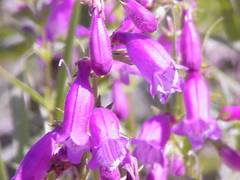
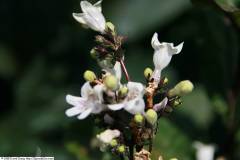
White with faint purple guidelines (nectar guides) inside the throat; tubular, two-lipped, 1-1.25 inches (2.5-3 cm); in loose terminal paniclesFoliage Description
Medium green to reddish-burgundy (especially 'Husker Red'); smooth, semi-glossy, lance-shaped, opposite, 3-5 inches (7-13 cm)Growing Conditions
Sun Requirements
Requires 3-8 hours of direct sunlight daily
• Full Sun: 6+ hours of direct sunlight
• Partial Shade: 3-6 hours of direct sunlight
• Full Shade: Less than 3 hours of direct sunlight
Care & Maintenance
Care Guide
Part sun to full sun. Tolerates clay and moist soil (unlike most western penstemons). Short-lived (3-5 years) — allow self-sowing. 'Husker Red' for burgundy foliage. Hummingbird-visited. Non-toxic (unlike Digitalis). Deer-resistant. Native. Zones 3-8.Pruning
Cut spent flower stems to the basal rosette after bloom (July). Allow some seed capsules for self-sowing. Cut to the ground in fall (October). The basal rosette may persist through winter (semi-evergreen).Pruning Schedule
Prune: July & October
summerfall