Penstemon, Genus, digitalis, Species, 'Husker Red', Cultivar,
- Genus & species
- Cultivar
husker red penstemon
Eastern North America (Maine to South Dakota, south to Texas and Florida; open meadows, prairies, woodland edges); cultivar selected at University of Nebraska by Dale Lindgren; 1996 Perennial Plant Association Plant of the Year
Overview
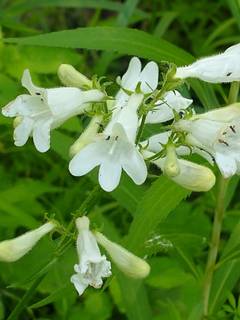
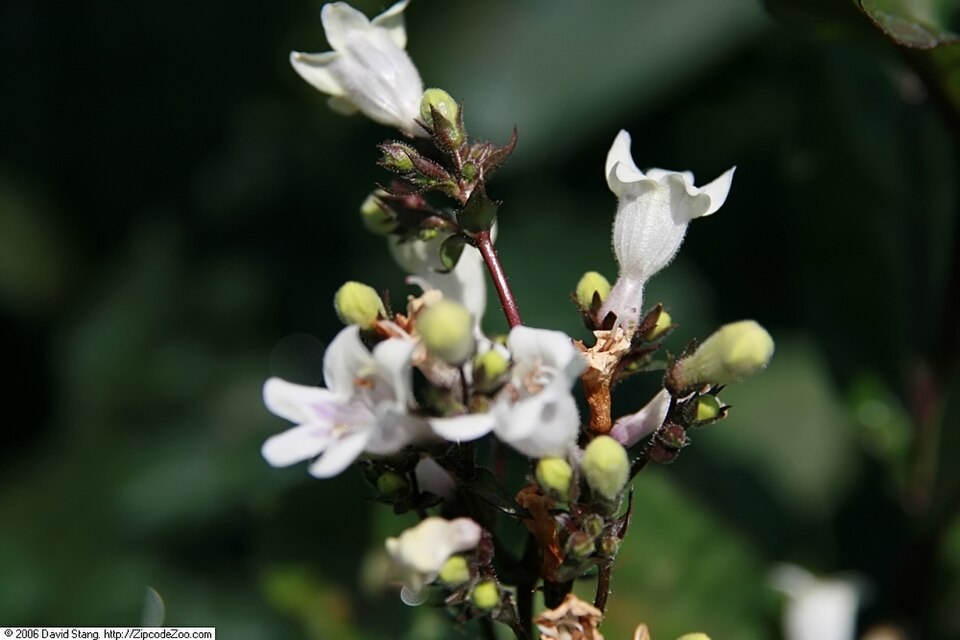
Penstemon digitalis 'Husker Red' is a deciduous to semi-evergreen perennial reaching 24–36 inches (60–90 cm) tall with a spread of 18–24 inches (45–60 cm) and an upright clump-forming habit. Selected at the University of Nebraska (the source of the 'Husker' portion of the cultivar name), this cultivar carries maroon-red to bronze-purple foliage pigmentation across the entire plant—stems, leaves, and calyces all run deep maroon-red, which supplies season-long foliage color as the cultivar's primary ornamental feature. Opposite lanceolate leaves run 3–5 inches (8–13 cm) long. Flowers run white to pale pink, tubular with an open throat, 1–1.2 inches (2.5–3 cm) long, in loose terminal panicles across June and July. Visual contrast between the maroon-red foliage and the white flowers supplies the cultivar's identifying character. Growth rate runs moderate. Hardy to zone 3, which positions the cultivar far hardier than the European hybrid penstemons that run zone 7. Recognized as the 1996 Perennial Plant Association Plant of the Year. North American native species parentage runs through P. digitalis, a species of eastern and central US prairies.
Native Range
Penstemon digitalis is native to eastern North America, ranging from Maine through South Dakota and south to Texas and Florida. The species grows in open meadows, prairies, and woodland edges across its native range. 'Husker Red' was selected at the University of Nebraska by plant breeder Dale Lindgren during the 1980s for the maroon-red foliage pigmentation, and the cultivar was recognized as the 1996 Perennial Plant Association Plant of the Year in recognition of its combination of foliage color, cold hardiness, and reliable garden performance.Suggested Uses
Planted in perennial borders, meadow gardens, or native plant compositions at 18–24 inch (45–60 cm) spacing in zone-3-and-warmer gardens. Maroon-red foliage supplies season-long color independent of the bloom window, which makes the cultivar carry value across the entire growing season rather than only during the June–July flowering period. White flowers contrast dramatically against the dark foliage in early summer. Zone 3 cold hardiness positions the cultivar the hardiest option among garden penstemons and extends the genus to cold-climate gardens where the European hybrids fail. North American native species parentage fits the cultivar to native and pollinator garden designs. Tree lifespan runs longer and garden durability runs higher than the European hybrid penstemons. Full-shade positions are poor fits for the cultivar because shade causes the foliage color to revert toward green.How to Identify
Appearance
Size & Dimensions
Height2' - 3'
Width/Spread1'6" - 2'
Bloom Information
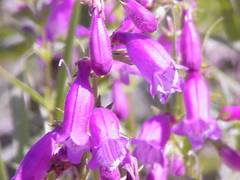
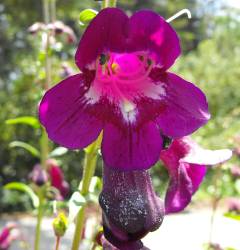
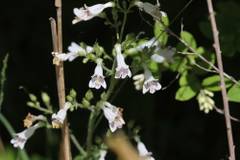
Loose terminal panicles of white to pale pink tubular open-throated flowers 1–1.2 inches (2.5–3 cm) long open in June and July. Fresh bloom duration runs 3–4 weeks. Dark maroon-red seed heads persist through summer and autumn after flowering completes, which extends the cultivar's visual presence in the garden well beyond the active bloom window.
Detailed Descriptions
Flower Description
White to pale pink; tubular open-throated 1-1.2 inches; loose terminal panicles; June-July; dark maroon-red seed heads persist through summer and autumnFoliage Description
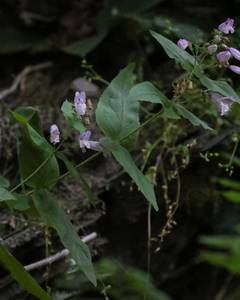
Maroon-red to bronze-purple; lanceolate 3-5 inches; opposite arrangement; season-long tinted color carries through stems and calyces as well as leavesGrowing Conditions
Sun Requirements
Requires 5-10 hours of direct sunlight daily
• Full Sun: 6+ hours of direct sunlight
• Partial Shade: 3-6 hours of direct sunlight
• Full Shade: Less than 3 hours of direct sunlight
Care & Maintenance
Care Guide
Full sun in average well-drained soil (pH 5.5–7.5) matches the cultivar's cultivation needs. Hardy to zone 3 (−40°F / −40°C), which positions this cultivar the hardiest penstemon in garden cultivation by a wide margin over the European hybrids that run zone 7. Full sun develops the deepest foliage pigmentation; partial-shade positions cause greening of the maroon-red color. Soil tolerance runs broader than the European hybrids and includes clay soils. Tree lifespan runs 5–10 years or longer, which runs far longer than the 3-to-5-year lifespans of the European hybrid penstemons. The cultivar self-seeds moderately in favorable conditions.Pruning
Flower stems are cut back after bloom for a tidy garden appearance, or stems are left standing for the dark seed-head interest that carries through summer and autumn. Foliage is cut back to the basal rosette in late autumn or early spring. Semi-evergreen foliage persists through mild winters in zone-5-and-warmer positions.Pruning Schedule
Prune: March
early spring
Container Growing
Suitable for container growing
Minimum container size: 3 gallons