Penstemon, Genus, richardsonii, Species,
- Genus & species
Richardson's penstemon
Columbia Plateau (eastern Washington, eastern Oregon, southern BC, Idaho)
Overview
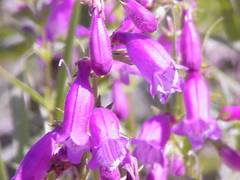
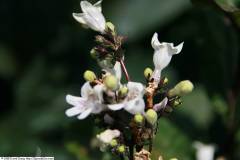
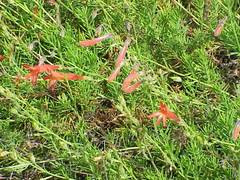
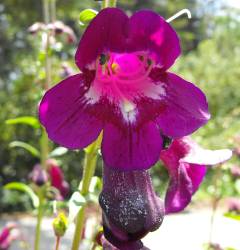
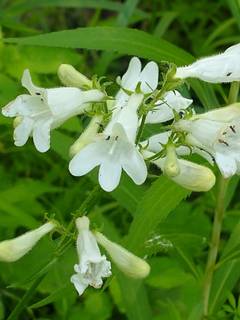
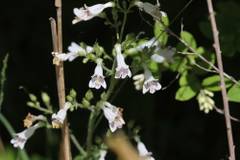
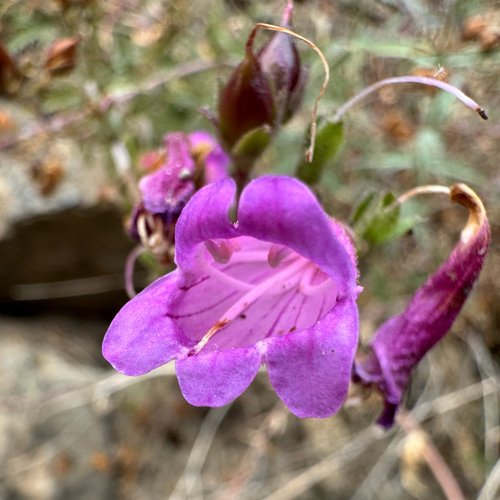
Penstemon richardsonii is an herbaceous perennial reaching 12-30 inches (30-75 cm) tall and 12-18 inches (30-45 cm) wide on multiple slender stems from a woody crown. Leaves opposite, deeply pinnatifid (cut into narrow lobes), 1-3 inches (2.5-7.5 cm) long, gray-green and slightly hairy; the dissected leaf form is a key field character among PNW Penstemons. Flowers tubular, pink to lavender-pink or rose-purple, 0.75-1.25 inches (19-32 mm) long, with two upper and three lower lobes; borne in open axillary panicles along the upper half of the stems from late June through September. The yellow staminode is bearded with golden hairs at the tip. Bloom is later in the season than most Penstemon, often peaking in August when most other species have finished. Crowns become woody and decline after 4-6 years; periodic replacement from cuttings or self-sown seedlings is needed for stand persistence.
Native Range
Native to dry rocky slopes, basalt cliffs, and open ponderosa pine woodlands in the Columbia River Basin and adjacent areas of eastern Washington, eastern Oregon, southern British Columbia, and Idaho, generally at elevations of 500-5,000 feet (150-1,500 m).Suggested Uses
Used in dry rock gardens, gravel beds, dry meadows, and Mediterranean-style xeric plantings at 18-24 inch (45-60 cm) spacing in zones 4-9. Combines with native bunchgrasses, Eriogonum species, and Artemisia tridentata in restoration plantings on basalt and shrub-steppe sites. Containers require sharply drained gritty mix in pots of at least 2 gallons (7.5 L); container plants in moisture-retentive mix typically rot within one season.How to Identify
Appearance
Size & Dimensions
Height1' - 2'6"
Width/Spread1' - 1'6"
Bloom Information
Late June through September across the species range, with peak bloom in late July and August. In hot dry interior zones (5-7), bloom may begin in late May after wet springs. Individual flowers last 5-7 days; clumps produce sequential panicles over 6-10 weeks. The late-season bloom timing extends garden flowering past most other native Penstemons.
Detailed Descriptions
Flower Description
Pink to rose-purpleFoliage Description
Gray-green, hairy, deeply pinnatifidGrowing Conditions
Sun Requirements
Requires 6-12 hours of direct sunlight daily
• Full Sun: 6+ hours of direct sunlight
• Partial Shade: 3-6 hours of direct sunlight
• Full Shade: Less than 3 hours of direct sunlight
Care & Maintenance
Care Guide
Establishes from container stock in 1-2 growing seasons in well-drained sandy, gravelly, or rocky soils with light watering through the first summer. Mature plants tolerate prolonged drought once established and rot quickly if irrigated through summer or planted in heavy clay. Crowns are most vulnerable in winter when wet soils combine with freeze-thaw; raised beds, slopes, or gravel mulch reduce winter losses. Foliage tolerates direct sun and high temperatures up to 100 degrees F (38 degrees C) on dry sites. Spider mites occur in extreme heat and dry air. Crowns become woody and lose vigor after 4-6 years; replacement from cuttings or seedlings on a 4-5 year cycle maintains continuous stands.Pruning
Cut spent flower stems at the base after seed dispersal in October to neaten appearance. Tip-prune unproductive woody stems by 1-2 inches (2.5-5 cm) in early spring to encourage branching. Plants respond poorly to hard cutback into bare wood and rarely regenerate from such cuts.Pruning Schedule
Prune: March & October
early springfall
Container Growing
Suitable for container growing
Minimum container size: 2 gallons