Rosa, Genus, 'Peach Drift', Cultivar,
- Genus
- Cultivar
peach drift rose
Overview
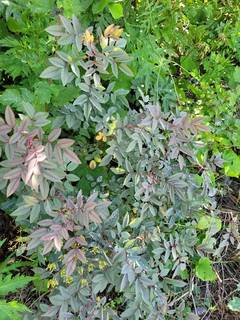
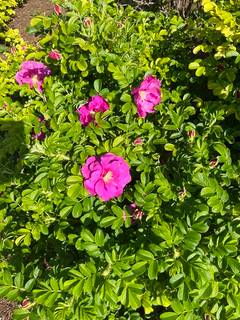
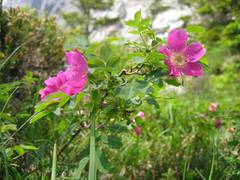
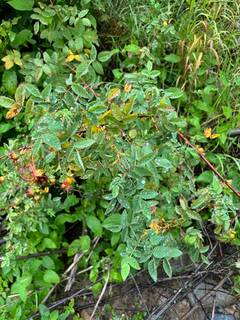
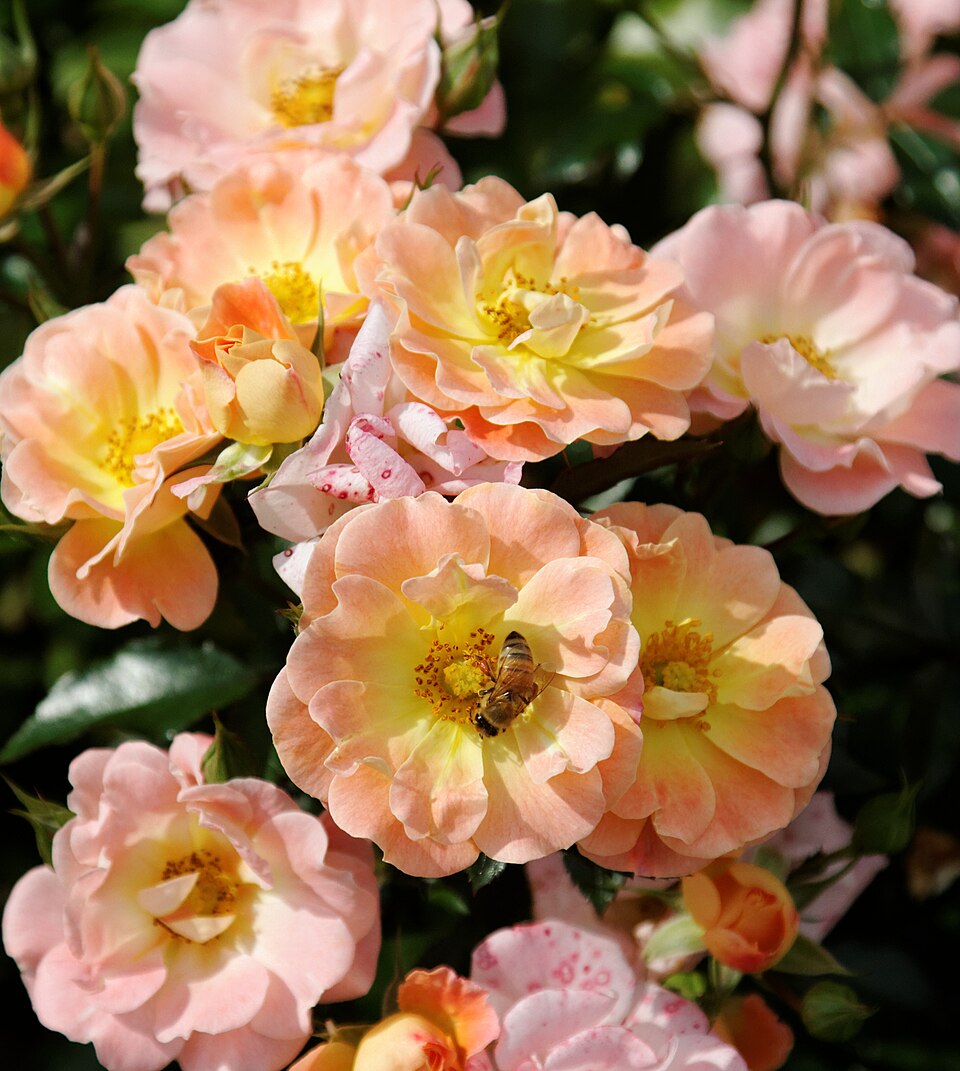
Rosa 'Peach Drift' is a low-growing landscape rose reaching 18-24 inches (45-60 cm) tall with a spread of 24-36 inches (60-90 cm). Stems form a mounded, spreading framework with arching canes that root where they touch moist soil. Compound leaves bear 5-7 elliptic leaflets 0.5-1.5 inches (1.3-4 cm) long, glossy mid-green throughout the growing season. Double flowers measure 1.25-1.5 inches (3-4 cm) across, opening peach with a darker apricot center and fading to soft pink as they age, carried in clusters of 5-15 from late spring until first frost. Flowers are self-cleaning and shed petals cleanly without persistent brown debris. Hips rarely form because spent blooms drop before fertilization completes. Stems carry sparse hooked prickles 1-3 mm long. Repeat bloom continues in cycles of 5-6 weeks across zones 5-9. Bred for resistance to black spot and powdery mildew, though both diseases can develop in humid conditions with poor air circulation. Lifespan in landscape plantings runs 8-12 years; canes lose vigor in the center of the clump and require renewal pruning every 4-5 years. Flowering decreases by 30-50% in part shade compared to full sun.
Native Range
Rosa 'Peach Drift' is a hybrid cultivar developed by Conard-Pyle (Star Roses and Plants) and introduced in 2007; it has no native range. Parent species include Rosa wichurana from eastern Asia and modern shrub rose lineages from European breeding programs.Suggested Uses
Used as a groundcover at 24-36 inch (60-90 cm) spacing in mass plantings on slopes, in foundation beds, and along walkways. Plants grow in containers of 5 gallons (19 L) or larger with daily summer watering; container-grown specimens are shorter-lived than in-ground plants by 2-4 years. Suitable for the front of mixed perennial borders where a low spreading rose is wanted; the spreading habit can encroach on smaller companions within 2-3 seasons.How to Identify
Appearance
Size & Dimensions
Height1'6" - 2'
Width/Spread2' - 3'
Bloom Information
Blooms from late May through first hard frost in zones 5-7, and from April through November in zones 8-9. Flushes occur in 5-6 week cycles with 1-2 week pauses between flushes; individual blooms last 4-6 days. Heavy summer rainfall can shorten flush duration by several days. Flower production drops by about 40% during sustained heat above 95°F (35°C) in zones 8-10.
Detailed Descriptions
Flower Description
peach with apricot center, fading to soft pinkFoliage Description
glossy mid-greenGrowing Conditions
Sun Requirements
Requires 6-12 hours of direct sunlight daily
• Full Sun: 6+ hours of direct sunlight
• Partial Shade: 3-6 hours of direct sunlight
• Full Shade: Less than 3 hours of direct sunlight
Care & Maintenance
Care Guide
Water deeply once weekly during establishment in the absence of rain, applying about 1 inch (2.5 cm) at the root zone. Established plants tolerate 2-3 weeks without rain in zones 5-7 but flower less in extended drought. Black spot develops in humid conditions when foliage stays wet overnight; affected leaves yellow and drop, with severe infection reducing bloom by 30-50%. Japanese beetles feed on flowers from late June through July in eastern North America. Fertilize once in early spring with a balanced slow-release formula at the rate listed on the label. Renewal pruning every 4-5 years removes 20-30% of the oldest canes at the base to maintain density.Pruning
Canes are cut to 8-10 inches (20-25 cm) above ground in late winter or early spring before bud break, with dead and crossing wood removed at the same time. Light shaping during the growing season is unnecessary because spent blooms drop without leaving brown debris. Suckers from below the graft union are removed as they emerge in plants on rootstock; own-root plants do not produce true suckers. After 4-5 years, one in three of the oldest canes is cut to ground level to renew the framework.Pruning Schedule
Prune: February–March
winterearly spring
Container Growing
Suitable for container growing
Minimum container size: 5 gallons