Passiflora, Genus, subpeltata, Species,
- Genus & species
white passionflower
Overview
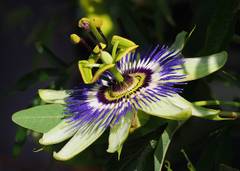
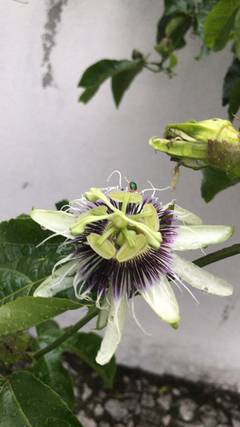
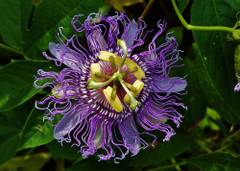
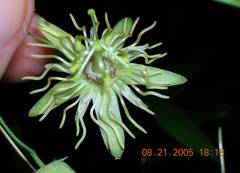
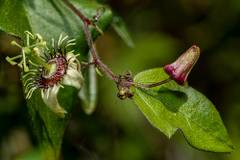
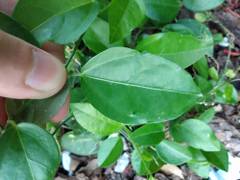
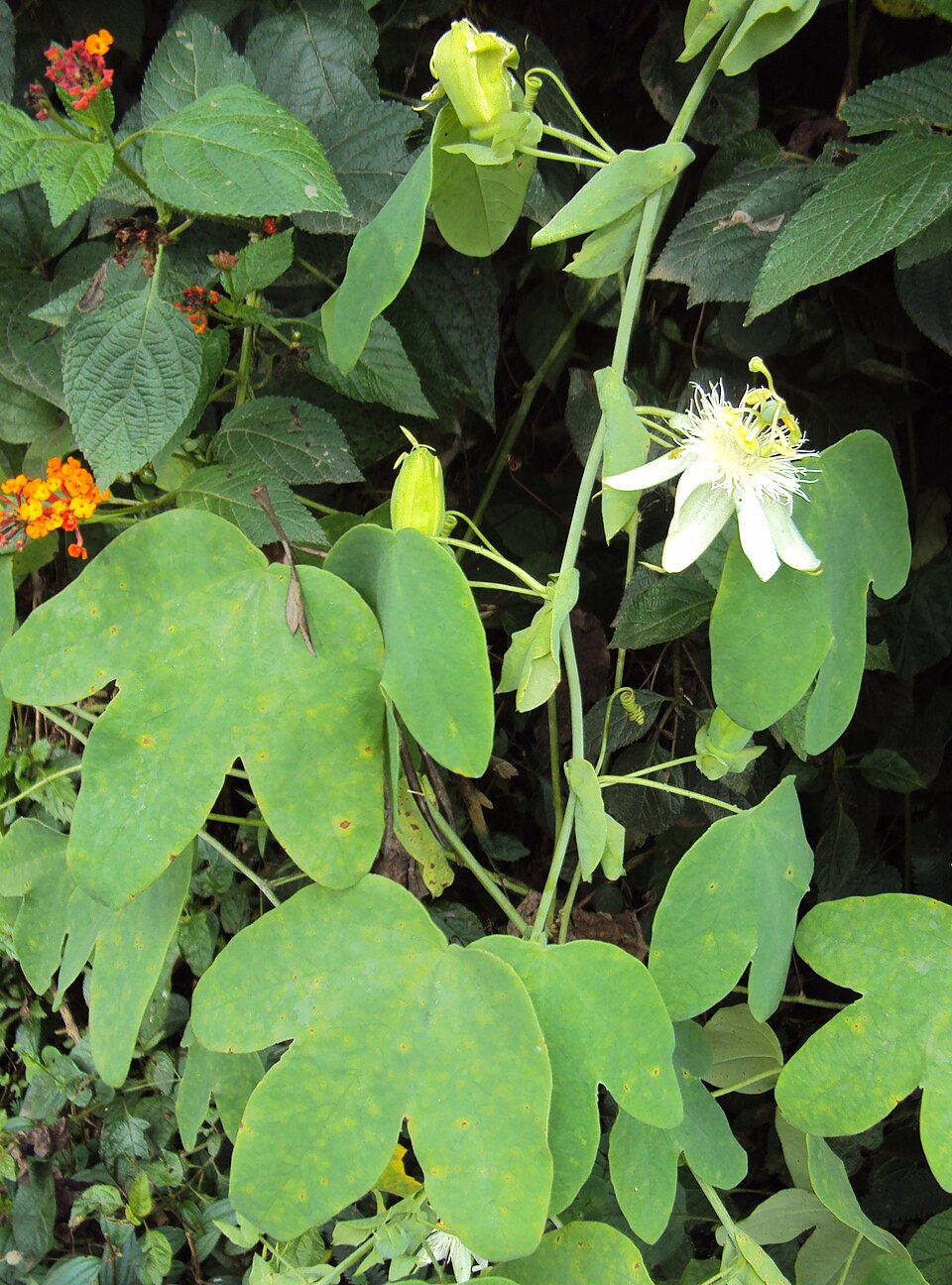
Passiflora subpeltata is an evergreen to semi-evergreen climbing vine reaching 3-6 m (10-20 ft) long, climbing by coiling tendrils that arise from the leaf axils. The stems are slender and green, becoming woody at the base with age. The leaves are three-lobed, 5-10 cm (2-4 in) wide, mid-green above and grey-green beneath, with two small nectar glands on the leaf stalk. White flowers 4-6 cm (1.5-2.5 in) across open in the leaf axils, with five petals, five sepals, and a central fringe (corona) of white filaments; each flower lasts about one day. Flowering occurs over much of the warm season. The fruit is an egg-shaped berry 3-5 cm (1.2-2 in) long, green ripening to pale yellow, containing many seeds in a translucent pulp. Growth is rapid, and unsupported stems scramble over other vegetation. Native to Central and South America, the species has naturalised in parts of Australia, southern Africa, and Pacific islands, where it can smother shrubs and small trees and is treated as an environmental weed.
Native Range
Native to Central and South America, from Mexico through to northern South America, in woodland margins, clearings, and disturbed ground. It has naturalised in warm regions of Australia, southern Africa, and Pacific islands.Suggested Uses
Grown on fences, trellises, and pergolas as a fast cover, spaced 1.5-3 m (5-10 ft) apart. The fruit pulp is edible but small and seedy. In warm climates its weed potential limits planting near bushland.How to Identify
Appearance
Size & Dimensions
Height10' - 20'
Width/Spread3' - 6'
Bloom Information
Detailed Descriptions
Foliage Description
greenGrowing Conditions
Sun Requirements
Requires 5-10 hours of direct sunlight daily
• Full Sun: 6+ hours of direct sunlight
• Partial Shade: 3-6 hours of direct sunlight
• Full Shade: Less than 3 hours of direct sunlight
Care & Maintenance
Care Guide
Grow in full sun to part shade on free-draining soil with support such as a fence or trellis. Water during establishment; the vine tolerates short dry spells but grows fastest with regular moisture. Frost cuts back top growth, and hard frost kills unprotected plants, limiting it to zones 9-11. The fast-growing stems need regular cutting back to stay within bounds, and self-sown seedlings appear readily from fallen fruit. In frost-free regions it spreads into bushland and is managed as a weed.Pruning
Cut back stems in late winter or early spring to control size and remove tangled growth. The vine reshoots strongly from the base and lower stems after hard pruning. Removing developing fruit reduces self-seeding.Pruning Schedule
Prune: July–August
winterearly spring
Container Growing
Suitable for container growing
Minimum container size: 5 gallons