Passiflora, Genus, incarnata, Species,
- Genus & species
purple passionflower
Overview
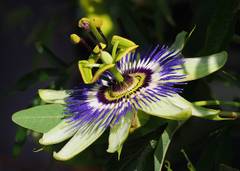
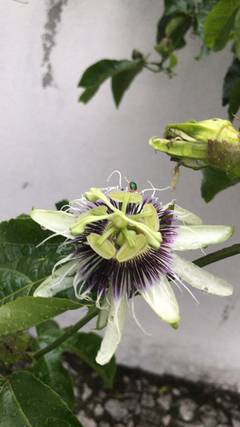
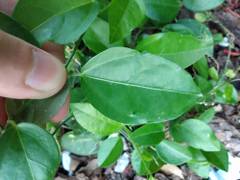
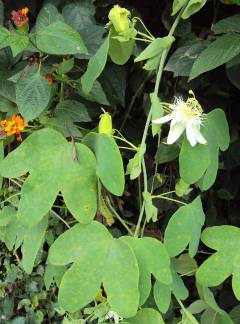
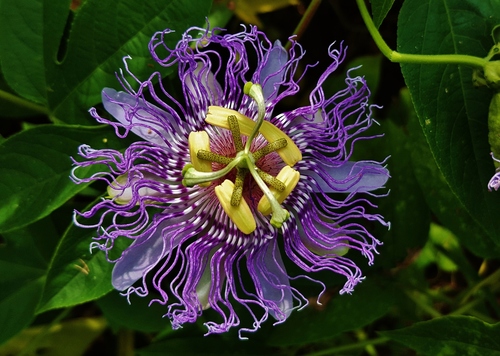
Passiflora incarnata is a herbaceous, climbing or trailing vine reaching 6-25 feet (1.8-7.6 m) long, climbing by axillary tendrils. The alternate leaves are deeply three-lobed, 3-6 inches (7.5-15 cm) wide, with finely toothed margins. From June to September it bears intricate flowers 2-3 inches (5-7.5 cm) across, with ten white to lavender tepals beneath a fringe of wavy, purple-and-white filaments and a prominent central column of stamens and styles. The fragrant flowers last about a day and are pollinated chiefly by large bees. Egg-shaped green fruits, called maypops, ripen 2-3 inches (5-7.5 cm) long and turn yellowish, holding many seeds in edible pulp. Native to the southeastern United States, P. incarnata grows in fields, fencerows, roadsides, and woodland edges, spreading widely by deep, suckering roots. That root-spread can make it aggressive in cultivated ground, sending up shoots several feet from the parent. The vine dies back to the roots after frost and resprouts late in spring. It is the larval host for the Gulf fritillary and several other butterflies, and is hardy to USDA zone 6.
Native Range
Native to the southeastern and south-central United States, from Virginia and Florida west to Texas and north to Missouri and Ohio. Common in disturbed open ground, fields, and woodland edges.Suggested Uses
Grown on trellises, arbors, and fences, in pollinator and butterfly gardens, and along naturalized edges. Spaced 36-48 inches (90-120 cm) apart, it covers vertical supports and hosts fritillary larvae; the maypop fruit is eaten fresh or made into jelly.How to Identify
Appearance
Size & Dimensions
Height6' - 25'
Width/Spread3' - 6'
Bloom Information
Flowers open from June to September, a few at a time over a long season. Each flower lasts a single day, opening in the morning and fading by evening. Fruits develop through late summer and fall, ripening from green to yellow.
Detailed Descriptions
Foliage Description
GreenGrowing Conditions
Sun Requirements
Requires 6-10 hours of direct sunlight daily
• Full Sun: 6+ hours of direct sunlight
• Partial Shade: 3-6 hours of direct sunlight
• Full Shade: Less than 3 hours of direct sunlight
Care & Maintenance
Care Guide
Passiflora incarnata grows in full sun to partial shade in average, well-drained soil across a pH of 6.0 to 7.5, and tolerates sandy and clay ground. Established plants are drought-tolerant and need little water. The vine is hardy to USDA zone 6, dies back after frost, and resprouts from the roots in late spring. Because it spreads by deep suckers, root barriers or a location where shoots can be mowed keep it in check. Few pests trouble it, though leaves may be chewed by fritillary caterpillars that the plant hosts. No fertilizer is needed.Pruning
Cut the dead stems to the ground in late winter before new growth emerges. Thin or shorten stems during the growing season to control size and direct the vine onto its support. Remove root suckers as they appear to limit spread.Pruning Schedule
Prune: February–March
winter
Container Growing
Suitable for container growing
Minimum container size: 5 gallons