Passiflora, Genus, lutea, Species,
- Genus & species
yellow passionflower
Overview
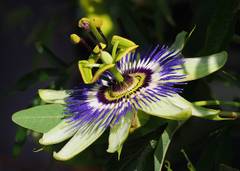
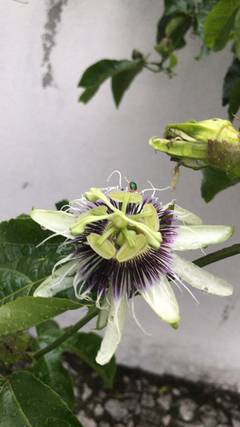
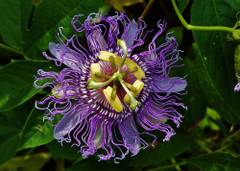
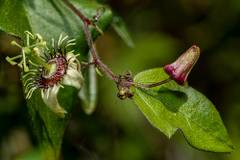
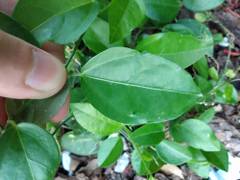
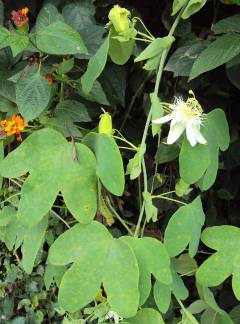
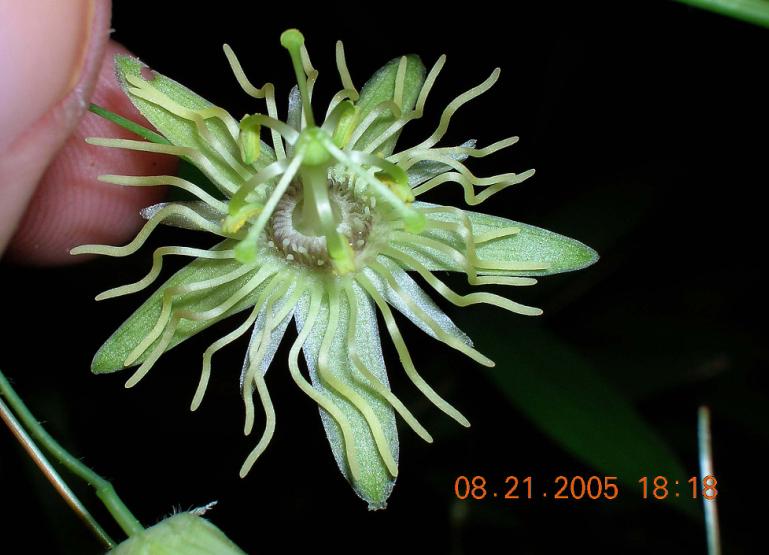
Passiflora lutea is a slender herbaceous perennial vine native to the eastern United States, climbing by tendrils to 6-15 feet (1.8-4.6 m) in a season and dying back to the root each winter. The leaves are broadly three-lobed, 2-5 inches (5-13 cm) wide, with rounded lobes and a smooth surface. From June to September it bears greenish-yellow flowers only 0.5-1 inch (1.3-2.5 cm) across, small for a passionflower, with fringed coronas typical of the genus. Pollinated flowers form round berries 0.25-0.5 inch (6-13 mm) wide that ripen dark purple to black. The vine grows in moist woodland edges, thickets, and fencerows in part shade, spreading by thin rhizomes. It serves as a larval host for Gulf fritillary and zebra longwing butterflies. The small flowers and modest size make it less conspicuous than the larger purple passionflower (P. incarnata), and the rhizomes can spread into nearby beds.
Native Range
Native to the eastern and central United States, from Pennsylvania and Illinois south to Florida and Texas, most common in moist woodlands and stream margins.Suggested Uses
Used on trellises, fences, and arbors in shade and woodland gardens. It supports butterfly gardens as a larval host plant. The light habit suits weaving through shrubs without overwhelming them.How to Identify
Appearance
Size & Dimensions
Height6' - 15'
Width/Spread3' - 6'
Bloom Information
Flowers appear from June to September, scattered along the vine rather than massed. Each greenish-yellow bloom is 0.5-1 inch (1.3-2.5 cm) wide and lasts a single day. Flowering continues through the warm months.
Detailed Descriptions
Foliage Description
greenGrowing Conditions
Sun Requirements
Requires 3-6 hours of direct sunlight daily
• Full Sun: 6+ hours of direct sunlight
• Partial Shade: 3-6 hours of direct sunlight
• Full Shade: Less than 3 hours of direct sunlight
Care & Maintenance
Care Guide
Grows in part shade in moist, well-drained, humus-rich soil with a pH of 5.5-7.0. Tolerates full sun where roots stay cool and moist but scorches in hot, dry exposure. Established plants need watering only in extended drought. Thin rhizomes spread underground and send up new shoots that can be pulled to limit the colony. Hardy in USDA zones 5-9, dying to the ground in winter and returning in late spring. Few pests trouble the vine apart from leaf-feeding caterpillars, which are its butterfly larvae.Pruning
Dead top growth is cut to the ground in late winter before new shoots emerge. Stems are shortened during the season to keep the vine within its support. Unwanted rhizome shoots are pulled as they appear.Pruning Schedule
Prune: February
winter
Container Growing
Suitable for container growing
Minimum container size: 5 gallons