Passiflora, Genus, spp., Multiple species,
- Genus
- Multiple species
passionflowers
Tropical and warm-temperate Americas, with additional species in Asia, Australia, and the Pacific
Overview
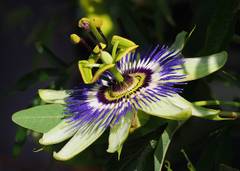
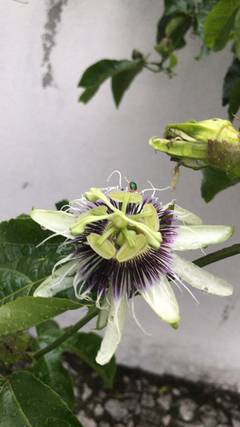
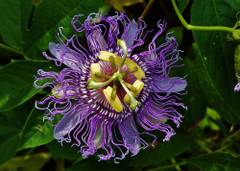
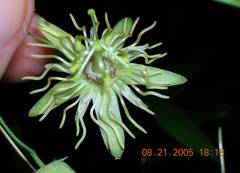
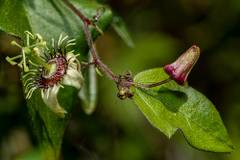
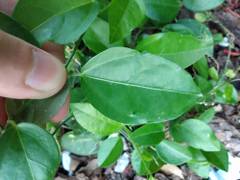
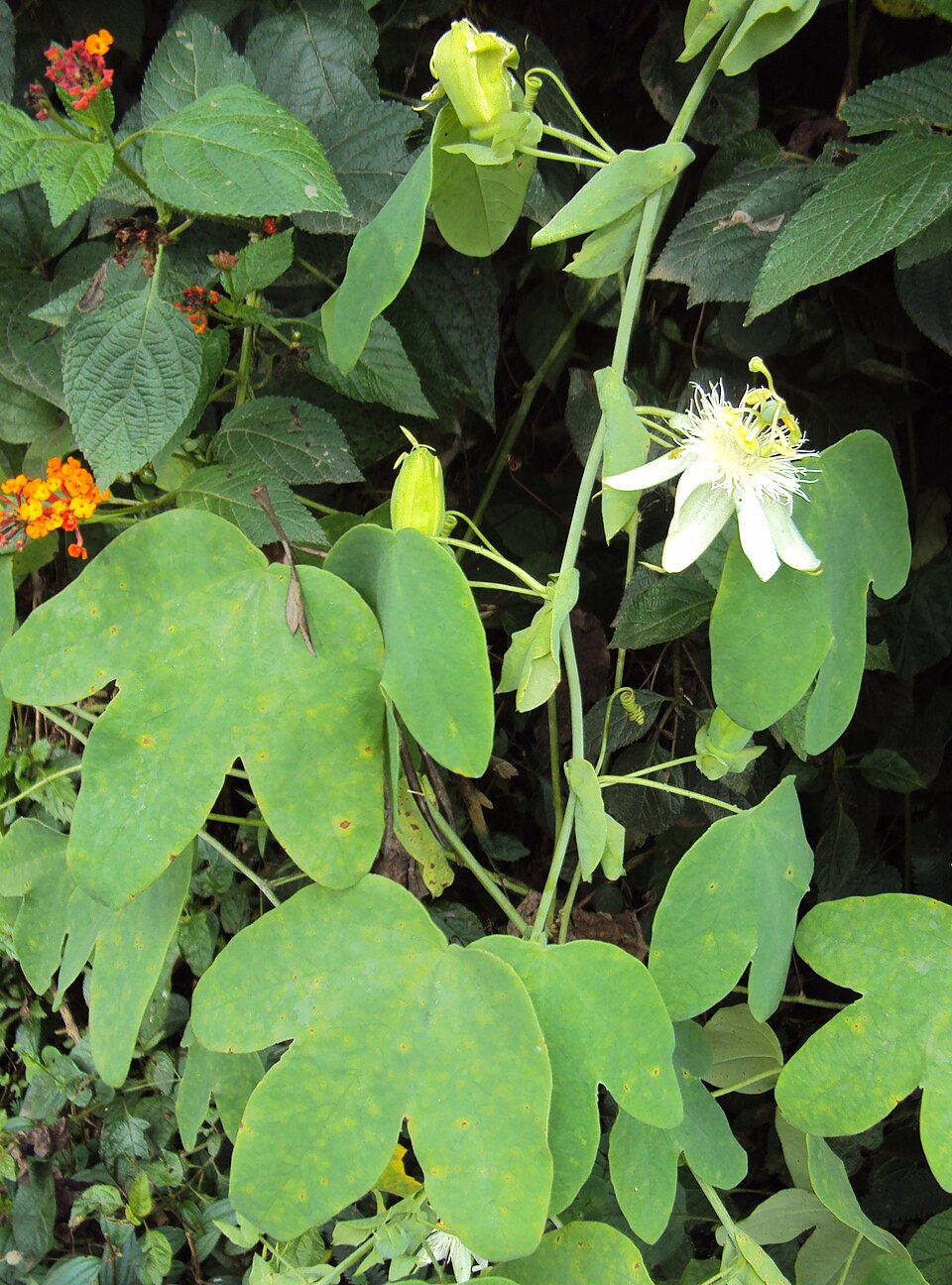
Passiflora is a genus of about 550 species of mostly climbing vines in the passionflower family (Passifloraceae), centered in the warm regions of the Americas with further species in Asia, Australia, and the Pacific. The vines climb by coiling tendrils to 6 to 30 ft (1.8 to 9 m), depending on species and climate, clinging to fences, trellises, and other plants. Leaves are alternate, often lobed into three to five fingers, and 2 to 6 in (5 to 15 cm) wide. The flowers have an elaborate structure: a flat ring of five petals and five sepals supports a dense fringe of thread-like filaments, the corona, above which stand five stamens and a three-part stigma. Blooms range through blue, purple, white, pink, and red and last a day or two each over a long summer-to-autumn season. Many species set an egg-shaped fruit, and P. edulis is grown commercially for passion fruit. Tropical species are evergreen and frost-tender, while P. incarnata, the native North American maypop, dies to the ground and returns from the root in USDA zone 6. The leaves and unripe fruit of many species contain cyanogenic compounds that can sicken pets.
Native Range
Passiflora is native to the tropical and warm-temperate Americas, from the southern United States through Mexico, Central America, and into South America, where the genus is richest. A smaller number of species are native to Southeast Asia, Australia, and Pacific islands.Suggested Uses
Passiflora is grown on trellises, arbors, fences, and pergolas as a fast climbing screen, and in containers with support in cold regions where it overwinters indoors. P. edulis and related species are grown for their edible fruit, while P. incarnata is planted in native and pollinator gardens as a larval host for fritillary butterflies. The vines cover bare structures within a season at 4 to 6 ft (1.2 to 1.8 m) spacing.How to Identify
Appearance
Size & Dimensions
Height6' - 30'
Width/Spread3' - 6'
Bloom Information
Flowers open from early summer into autumn, roughly June to October in temperate zones and nearly year-round in the tropics. Each bloom lasts only a day or two, but plants flower in succession over many weeks. The flowers draw bees, especially large carpenter bees, and the red-flowered species also attract hummingbirds.
Detailed Descriptions
Flower Description
blue, purple, white, pink, or red with a filamentous coronaFoliage Description
greenGrowing Conditions
Sun Requirements
Requires 6-10 hours of direct sunlight daily
• Full Sun: 6+ hours of direct sunlight
• Partial Shade: 3-6 hours of direct sunlight
• Full Shade: Less than 3 hours of direct sunlight
Water & Climate
Water Needs
Care & Maintenance
Care Guide
Passiflora grows in full sun to light shade in moist, well-drained soil at a pH of about 6.0 to 7.5, with a sturdy trellis or fence for the tendrils to climb. The vines grow quickly and flower most freely in warm conditions with steady moisture and occasional feeding. Tropical species need a frost-free climate of USDA zones 9 to 11, while P. incarnata is hardy to about zone 6 and resprouts from the root each spring. Hard pruning in early spring controls the vigorous growth and keeps the vines within their support. Many species sucker from the roots and can spread well beyond the original planting. Caterpillars of fritillary butterflies feed on the leaves, and the foliage and unripe fruit contain cyanogenic compounds that can sicken pets and people if eaten.Pruning
Prune Passiflora in early spring before new growth begins, cutting back the previous year's stems to keep the vine within its support and to spur fresh flowering shoots. Thin tangled or crowded growth through the season, and cut frost-killed top growth of P. incarnata to the ground in late winter. Root suckers can be removed to limit spread.Pruning Schedule
Prune: March–April
early spring
Container Growing
Suitable for container growing
Minimum container size: 5 gallons