Papaver, Genus, rhoeas, Species,
- Genus & species
common poppy
Europe, North Africa, temperate Asia
SunFull Sun
Overview
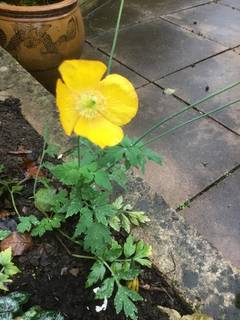
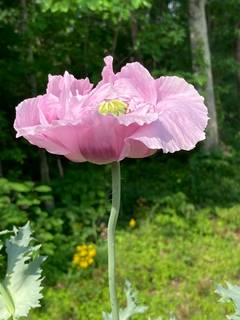
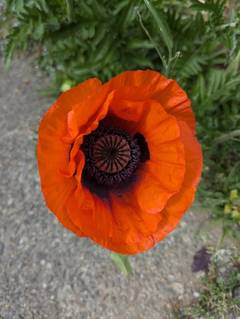
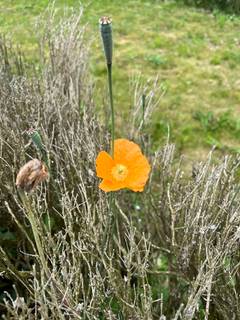
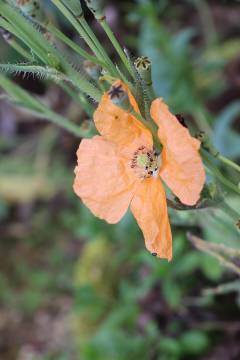
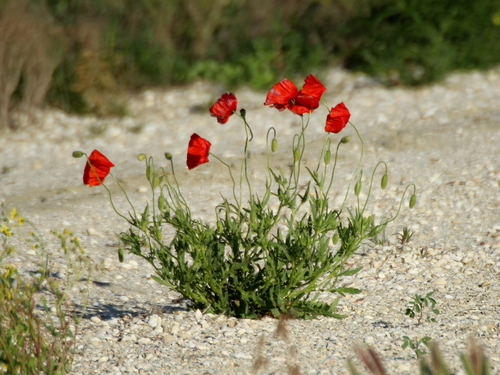
Papaver rhoeas is an annual of the poppy family native to Europe, North Africa, and temperate Asia, growing 12-36 inches (30-90 cm) tall on slender, bristly stems that carry a milky sap. The deeply lobed, toothed leaves are 1.5-6 inches (4-15 cm) long and mostly clustered near the base. Nodding buds straighten as they open into bowl-shaped flowers 2-4 inches (5-10 cm) across, with four crinkled, paper-thin petals in scarlet, often marked with a black blotch at the base. The flowers last only a day or two each but appear in steady succession from late spring through summer. After bloom the plant forms a rounded, ribbed seed capsule that shakes out thousands of tiny seeds through pores beneath its cap. P. rhoeas grows on cultivated and disturbed ground, field margins, and roadsides, and was long a weed of grain fields, where it became the emblem of wartime remembrance. It self-sows heavily and germinates on freshly turned soil. Individual plants are short-lived, but colonies return year after year from the seed bank.
Native Range
Papaver rhoeas is native to Europe, North Africa, and temperate Asia. It grows on disturbed and cultivated ground, field edges, and roadsides, and has spread with grain farming across much of the temperate world, including North America.Suggested Uses
Papaver rhoeas is grown in wildflower meadows, cottage gardens, annual borders, and naturalized plantings on disturbed soil. Its self-sowing habit suits informal, low-maintenance settings. The flowers draw bees, and the seeds feed finches and other small birds.How to Identify
Appearance
Size & Dimensions
Height1' - 3'
Width/Spread6" - 1'
Bloom Information
Flowering runs from late spring through summer, roughly May to July, with each flower lasting only a day or two. New buds open in steady succession over several weeks. The ribbed seed capsules ripen soon after and scatter seed through pores under the cap.
Detailed Descriptions
Flower Description
scarlet with black centerFoliage Description
greenGrowing Conditions
Sun Requirements
Requires 6-10 hours of direct sunlight daily
• Full Sun: 6+ hours of direct sunlight
• Partial Shade: 3-6 hours of direct sunlight
• Full Shade: Less than 3 hours of direct sunlight
Water & Climate
Water Needs
Drought Tolerance
Drought tolerant when established
Care & Maintenance
Care Guide
Grow Papaver rhoeas in full sun in light, well-drained soil; it grows well on poor and disturbed ground and needs no rich feeding. Seed is sown where the plants are to grow, as the taproot transplants poorly. It self-sows freely, so a single sowing often returns for years if some seed heads are left to ripen. Crowded seedlings are thinned to give each plant room, or left close for a dense stand. It tolerates drought once rooted but declines in wet, heavy soil. Aphids and downy mildew appear occasionally but rarely cause lasting harm.Pruning
No pruning is needed. Spent flower stems can be removed to extend bloom, though leaving some seed heads ensures plants return the next year. Whole plants are cleared once they yellow and set seed in midsummer.Container Growing
Suitable for container growing
Minimum container size: 2 gallons
Toxicity Warning
Toxic to pets and humansPlanting Guide
Planting Methods & Timing
Planting Method
direct sow
Direct Sow Timing
surface-sow on bare soil in early spring or autumn
Days to Maturity
60–90 days
Plant Spacing
6 inches
Companion Planting
Good Companions