Image 1 of 21
1 / 21
Plant Reference
Papaver, Genus, orientale, Species,
- Genus & species
oriental poppy
Overview
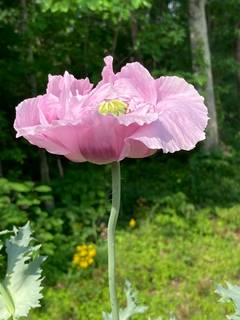
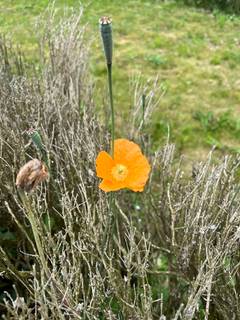
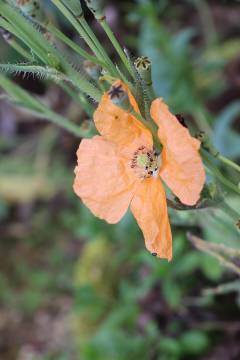
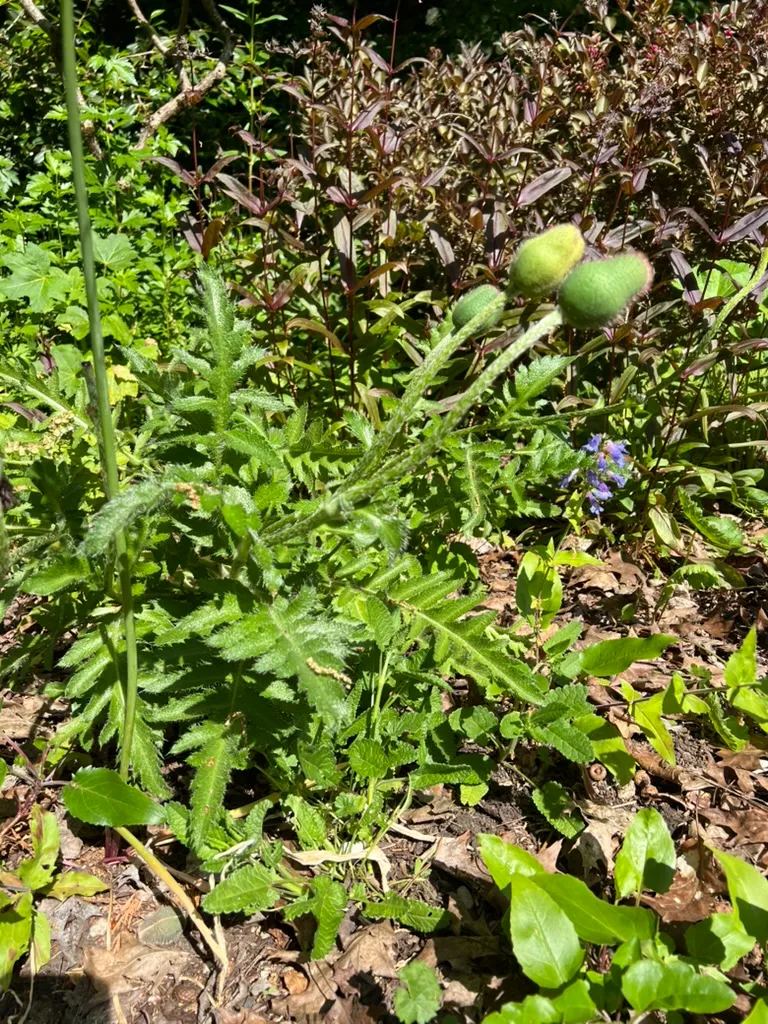
Papaver orientale is the Oriental poppy, a perennial growing 18–36 inches (45–90 cm) tall and 18–24 inches (45–60 cm) wide. Large crepe-textured flowers 4–6 inches (10–15 cm) with 4–6 petals in late spring to early summer — each petal has a dark purple-black basal blotch. The species type is orange-red; cultivars span pink ('Helen Elizabeth'), white ('Royal Wedding'), salmon ('Salmon Glow'), plum-purple ('Patty's Plum'), and bicolor. Individual flowers last 3–5 days. Dark green coarsely divided bristly-hairy leaves 6–12 inches (15–30 cm). Summer-dormant: the foliage yellows and the entire above-ground plant disappears by July, leaving a bare gap. New basal foliage regrows in September–October and persists as a low evergreen rosette through winter. The summer dormancy gap must be filled by companion plants that expand to cover the space (Gypsophila, Nepeta, Perovskia). Deep fleshy taproot — difficult to transplant once established; any root fragment left in the soil can regenerate a new plant. In the poppy family (Papaveraceae). All parts contain isoquinoline alkaloids — toxic to humans and animals. Native to Turkey, the Caucasus, and Iran. Full sun. Well-drained soil — root rot in wet winter conditions. Deer-resistant (toxic). Drought-tolerant once established. Zones 3–8. Growth rate is moderate.
Native Range
Native to Turkey, the Caucasus, and Iran, growing on rocky slopes and in mountain meadows.Suggested Uses
Grown in borders in zones 3–8. The summer dormancy gap requires companion plants (Gypsophila, Nepeta, Perovskia) that expand to fill the space. Deep taproot — plant permanently. All parts toxic. Deer-resistant. Drought-tolerant.How to Identify
Appearance
Size & Dimensions
Height1'6" - 3'
Width/Spread1'6" - 2'
Bloom Information
Detailed Descriptions
Flower Description
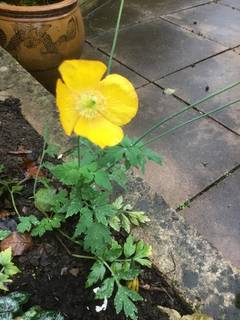
Orange-red (species), also pink, white, salmon, plum, or bicolor in cultivars; 4-6 crepe-textured petals each with a dark basal blotch; 4-6 inches (10-15 cm)Foliage Description
Dark green, coarsely divided, deeply lobed, bristly-hairy, 6-12 inches (15-30 cm)Growing Conditions
Sun Requirements
Requires 6-10 hours of direct sunlight daily
• Full Sun: 6+ hours of direct sunlight
• Partial Shade: 3-6 hours of direct sunlight
• Full Shade: Less than 3 hours of direct sunlight
Care & Maintenance
Care Guide
Full sun (6+ hours). Well-drained soil — root rot in wet winter conditions. Summer-dormant (gap by July). Deep fleshy taproot — difficult to transplant; root fragments regenerate. All parts toxic (alkaloids). Companion-plant the summer gap. Deer-resistant. Drought-tolerant. Zones 3–8.Pruning
Remove spent flower stems after petals drop. Cut back yellowed foliage when the plant goes dormant in midsummer (July). New basal foliage emerges in fall — do not disturb. Division in September when new growth appears.Pruning Schedule
Prune: July & September
summerfall