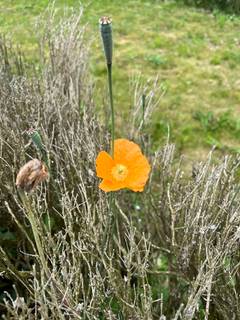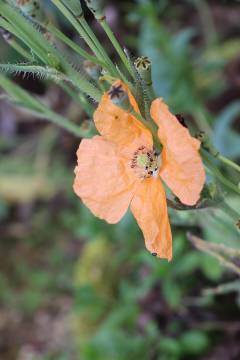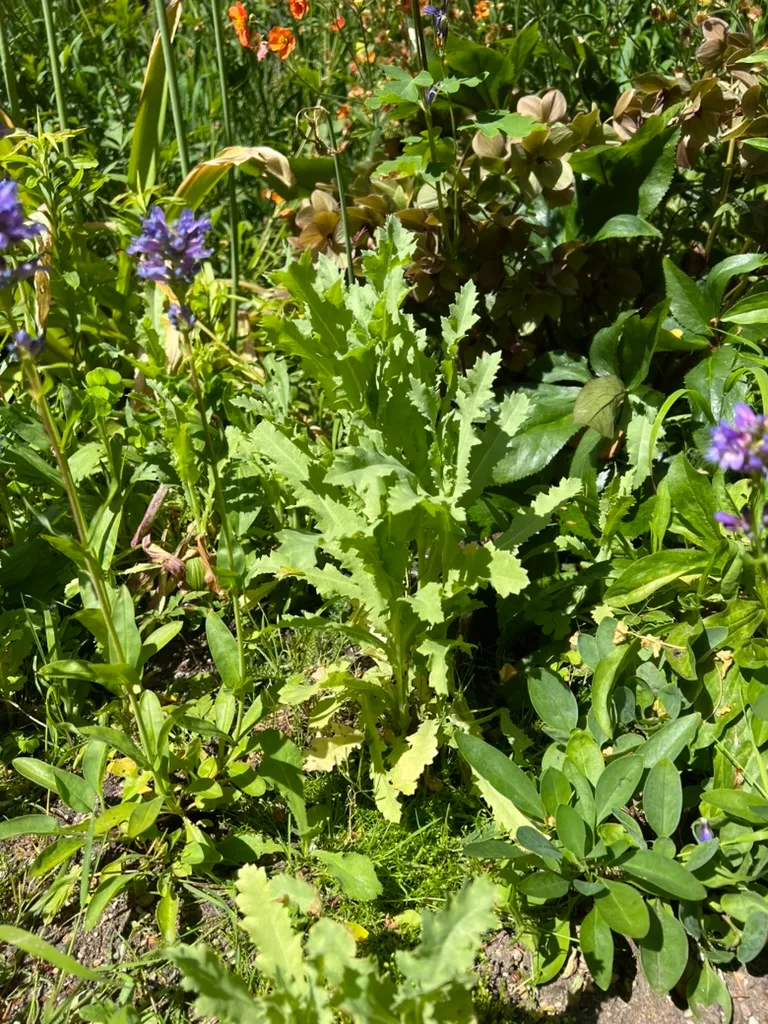
Image 1 of 16
1 / 16
Plant Reference
Papaver, Genus, somniferum, Species,
- Genus & species
opium poppy
Southeastern Europe and western Asia (exact origin uncertain — cultivated for thousands of years)
SunFull Sun
Overview
Papaver somniferum is the opium poppy (breadseed poppy), an annual growing 18–40 inches (45–100 cm) tall and 9–15 inches (23–38 cm) wide. Large crepe-textured flowers 3–5 inches (7–13 cm) in white, pink, red, purple, or bicolor in late spring to early summer — single forms have 4 petals; double (peony-flowered) forms have many ruffled petals. Individual flowers last 2–3 days. Blue-gray to gray-green glaucous oblong leaves 4–10 inches (10–25 cm) clasping the stem. Large round to urn-shaped seed pods 1–2 inches (2.5–5 cm) with a crown of stigmatic rays develop after flowering — the dried pods are used in floral arrangements. The species name 'somniferum' means 'sleep-bringing.' The unripe seed capsule latex contains morphine, codeine, and thebaine — the alkaloids from which opioid drugs are derived. The ripe dry seeds contain negligible alkaloid levels and are the culinary poppy seeds used in baking (muffins, breads, pastries). Ornamental cultivation is legal in most US jurisdictions; deliberate extraction of latex is illegal under federal law. Direct-sow in early spring or late fall — the seed requires light to germinate (surface-sow, do not cover). Does not transplant well (taproot). Self-seeds freely — volunteer seedlings appear annually once a colony is established. In the poppy family (Papaveraceae). All parts (except ripe seeds) are toxic. Deer-resistant (toxic). Full sun. Zones as annual. Growth rate is fast.
Native Range
Origin uncertain — cultivated for thousands of years. Likely native to southeastern Europe and western Asia. Naturalized worldwide in temperate regions. The ripe seeds are the culinary poppy seeds used in baking.Suggested Uses
Grown in cottage gardens and borders as a direct-sown annual. The large flowers and the decorative seed pods are the seasonal features. Self-seeds for permanent colonies. The ripe seeds are culinary poppy seeds. All parts except ripe seeds toxic. Deer-resistant.How to Identify
Appearance
Size & Dimensions
Height1'6" - 3'4"
Width/Spread9" - 1'3"
Bloom Information
Detailed Descriptions
Flower Description
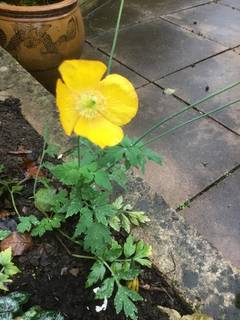
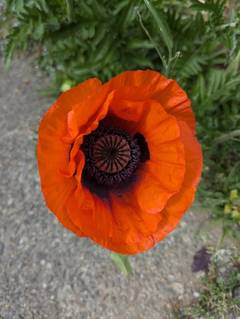
White, pink, red, purple, or bicolor; single or double (peony-flowered); 3-5 inches (7-13 cm)Foliage Description
Blue-gray to gray-green, glaucous, oblong, clasping the stem, coarsely toothed, 4-10 inches (10-25 cm)Growing Conditions
Sun Requirements
Requires 6-10 hours of direct sunlight daily
• Full Sun: 6+ hours of direct sunlight
• Partial Shade: 3-6 hours of direct sunlight
• Full Shade: Less than 3 hours of direct sunlight
Care & Maintenance
Care Guide
Full sun (6+ hours). Direct-sow in early spring or late fall — surface-sow (needs light). Does not transplant (taproot). Self-seeds freely. All parts except ripe seeds are toxic (morphine, codeine alkaloids). Ornamental cultivation legal; latex extraction illegal. Deer-resistant. Drought-tolerant.Pruning
No pruning during the growing season. Allow seed pods to develop for dried arrangements and self-seeding. Remove the entire plant after seeds have dispersed and the foliage has dried (midsummer).Pruning Schedule
Prune: July
summer
Container Growing
Suitable for container growing
Minimum container size: 3 gallons
Toxicity Warning
Toxic to pets and humansPlanting Guide
Planting Methods & Timing
Planting Method
direct sow
Direct Sow Timing
Early spring (March–April) or late fall; seed needs cold stratification; does not transplant well
Days to Maturity
70–90 days
Plant Spacing
9 inches