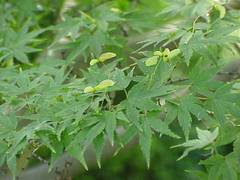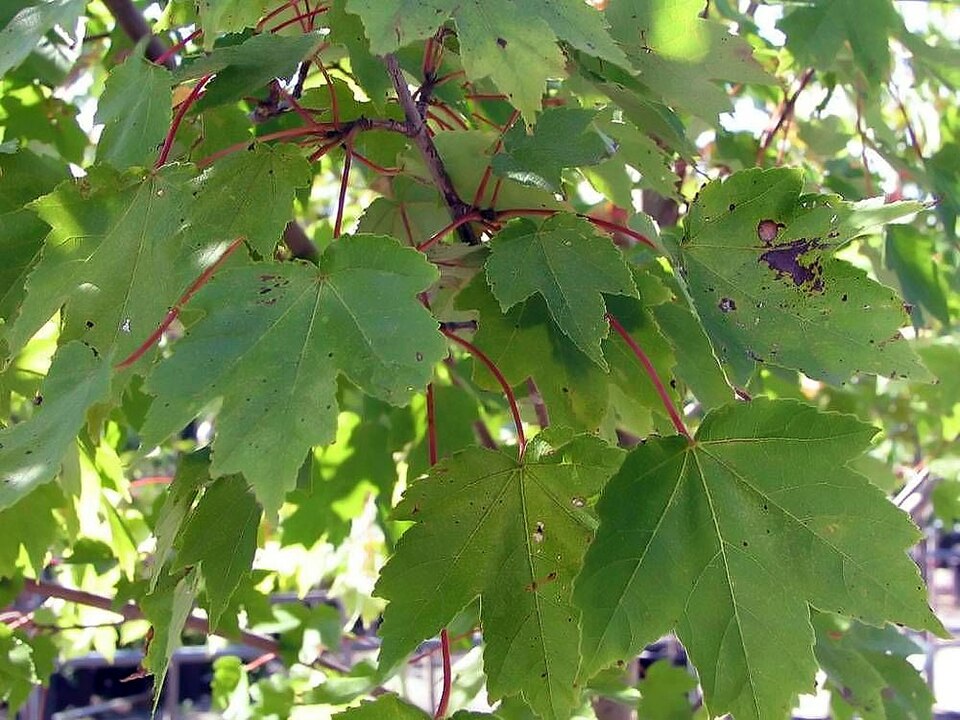
Acer, Genus, rubrum, Species, 'October Glory', Cultivar,
- Genus & species
- Cultivar
october glory red maple tree
Eastern and central North America (species); cultivar from Princeton, NJ
Overview
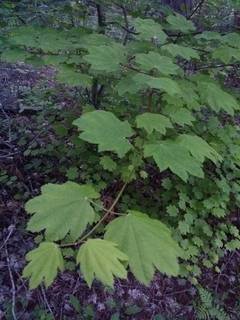
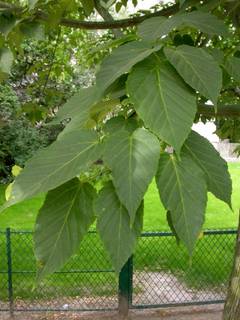
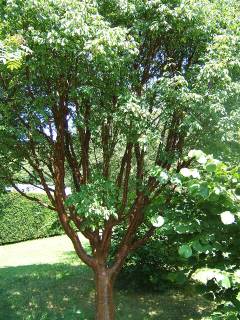
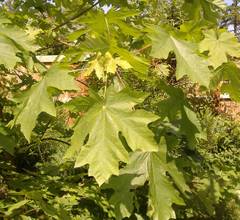
Acer rubrum 'October Glory' is a deciduous maple cultivar reaching 40-50 feet (12-15 m) tall and 25-35 feet (7.5-11 m) wide at maturity, with an oval to rounded crown. Selected and introduced by Princeton Nurseries in New Jersey in 1965 for late-season red fall color. Bark gray and smooth on young trees, developing shallow plates and ridges with age. Leaves opposite, 2-4 inches (5-10 cm) long and as wide, three- to five-lobed with V-shaped sinuses and serrate margins; emerge medium green in spring, mature dark green above and pale green beneath, turning red-orange to deep red in fall. Fall color develops 2-3 weeks later than seedling A. rubrum and persists 7-10 days longer. Small red flower clusters open before leaves in late February through March. Paired red samaras 0.7-1 inch (1.8-2.5 cm) long mature in May. Growth rate 1-2 feet (30-60 cm) per year on suitable sites. Tolerates wet, seasonally flooded soils as well as periodic drought once established; chlorosis develops on alkaline soils above pH 7.5.
Native Range
Acer rubrum is native to eastern and central North America from Newfoundland west to southeastern Manitoba, south to Florida and eastern Texas. The 'October Glory' cultivar originated as a chance seedling at Princeton Nurseries in New Jersey and was released in 1965. The species inhabits wetlands, swamps, floodplains, and upland forests at elevations from sea level to 6,000 feet (1,800 m).Suggested Uses
Commonly planted as a street tree in zones 4-9 with 25-35 foot (7.5-11 m) spacing for canopy coverage. Used as a shade tree in residential lawns where late fall color extends visual interest into early November. Tolerates wet sites, seasonal flooding, and seasonal drought; performance is reduced on alkaline soils above pH 7.5.How to Identify
Appearance
Size & Dimensions
Height40' - 50'
Width/Spread25' - 35'
Bloom Information
Small red flower clusters open before leaves in late February through March depending on latitude, with peak bloom lasting 7-10 days. Paired red-tinted samaras 0.7-1 inch (1.8-2.5 cm) long develop within 4-6 weeks of pollination and mature to red-brown in May. Wind disperses samaras up to 200 feet (60 m) from the parent tree. Bloom timing shifts 3-4 weeks later in zones 4-5 compared to zones 8-9.
Detailed Descriptions
Foliage Description
medium to dark green in summer; turns red-orange to deep red in fallGrowing Conditions
Sun Requirements
Requires 4-12 hours of direct sunlight daily
• Full Sun: 6+ hours of direct sunlight
• Partial Shade: 3-6 hours of direct sunlight
• Full Shade: Less than 3 hours of direct sunlight
Care & Maintenance
Care Guide
Newly planted trees require 10-15 gallons (38-57 L) of water per week during the first growing season, decreasing to bi-weekly watering during the second season. Mature trees tolerate 4-6 weeks of summer drought without leaf drop and tolerate seasonal flooding for up to 30 days during the dormant season. A 2-3 inch (5-8 cm) layer of organic mulch in a 4-foot (1.2 m) radius around the trunk reduces lawn competition and conserves moisture. Iron and manganese chlorosis develop on soils above pH 7.0 and are corrected by chelated iron and sulfur soil amendments in spring. Verticillium wilt occurs on poorly-drained urban sites and causes branch dieback; affected branches are removed below the wilted section. Frost cracks may develop on south-facing trunks in zones 4-6 in temperatures below -10°F (-23°C).Pruning
Structural pruning is performed in summer from June through August after leaves have fully expanded; winter pruning of Acer species can result in heavy sap bleeding. Removal of co-dominant leaders before the tree reaches 6 inches (15 cm) of trunk diameter prevents future bark inclusions. Cuts up to 3 inches (8 cm) callus over within 2-3 growing seasons. Spring pruning is associated with sap flow at cut surfaces that does not affect tree health.Pruning Schedule
Prune: June–August
summer