Acer, Genus, palmatum, Species, 'Sango-kaku', Cultivar,
- Genus & species
- Cultivar
coral bark Japanese maple
Garden selection of Japanese origin; species native to Japan, Korea, eastern China, and Taiwan
Overview
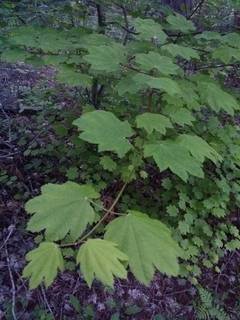
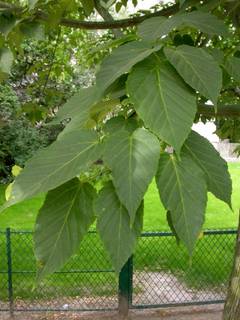
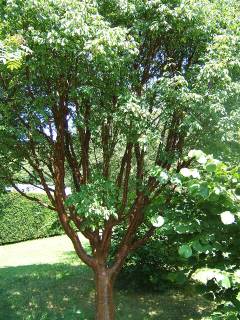
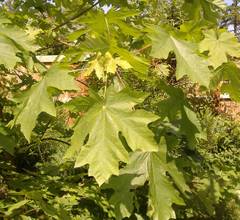
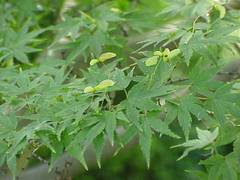
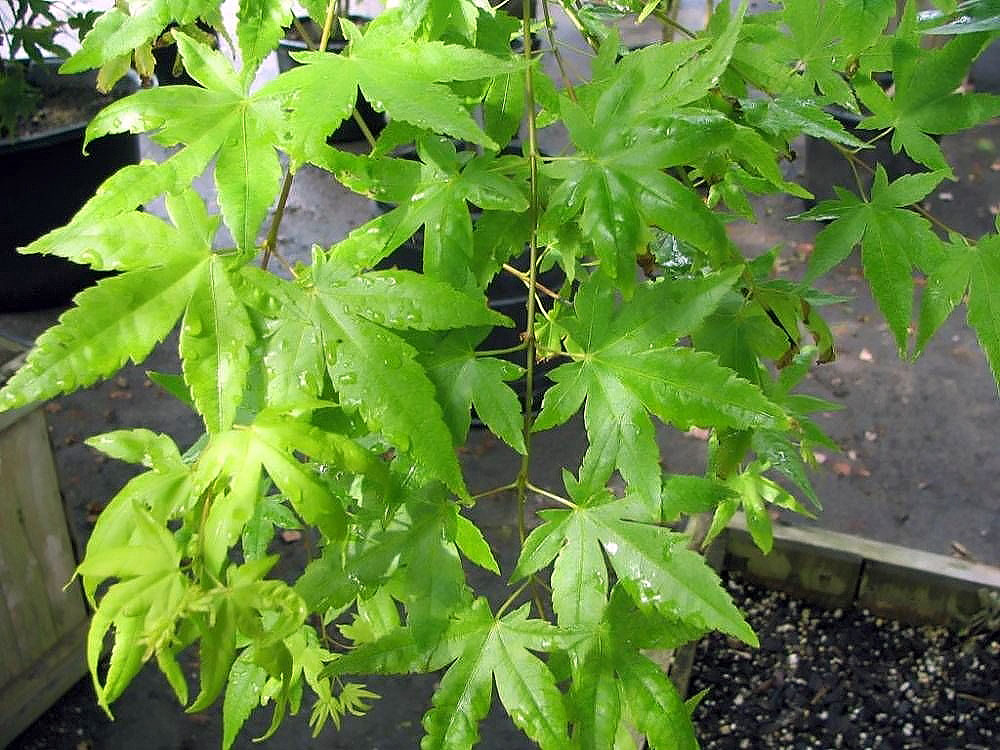
Acer palmatum 'Sango-kaku' is a coral-bark Japanese maple, an upright vase-shaped tree reaching 120-240 inches (300-600 cm) tall and 120-180 inches (300-450 cm) wide at 25-30 years. The cultivar name translates from Japanese as 'coral tower'. Young 1-3 year old stems and branches are vivid coral-red year-round, with the color most pronounced in winter on bare branches against neutral or dark backgrounds; older bark fades to dull gray-brown after 4-5 years. Palmate leaves with 5-7 lobes are 2-4 inches (5-10 cm) long, light green to chartreuse in spring and summer, turning golden-yellow with apricot edges in October-November. Inconspicuous reddish flower clusters open in April before full leaf emergence, followed by paired samaras (winged seeds). Removing some 3+ year old branches in late fall encourages new coral-stem production. Susceptible to verticillium wilt (Verticillium dahliae), which causes branch dieback and can kill the tree over 2-5 years. Japanese beetles (Popillia japonica) skeletonize leaves in July in the eastern United States. Afternoon sun in zones 7+ scorches leaf margins; morning sun with afternoon shade reduces scorch and maintains foliage color. Pruning is done in late fall or early winter—maples bleed sap profusely if cut in late winter or spring. Non-toxic. Hardy in USDA zones 5-8.
Native Range
The species A. palmatum is native to forest understory and edges in Japan, Korea, eastern China, and Taiwan, at elevations from 200-3,300 feet (60-1,000 m). 'Sango-kaku' is a Japanese horticultural selection in cultivation since the late 19th century.Suggested Uses
Grown as a specimen tree in residential gardens, courtyard plantings, and Japanese-style gardens, sited where the winter coral-red bark is visible against neutral or dark backgrounds. Spacing of 96-180 inches (240-450 cm) from adjacent plants and structures matches the mature canopy spread. Container culture in 15-25 gallon (57-95 liter) pots is reliable for 5-10 years before the tree outgrows the pot. Suited to woodland-edge and understory positions in zones 5-8.How to Identify
Appearance
Size & Dimensions
Height10' - 20'
Width/Spread10' - 15'
Bloom Information
Reddish-purple flower clusters 0.25 inch (6 mm) open in April before full leaf expansion, lasting 2-3 weeks. Flowers are wind- and small-bee-pollinated. Paired samaras (winged seeds) ripen by August and disperse on autumn winds.
Detailed Descriptions
Flower Description
Reddish-purple, inconspicuousFoliage Description
Light green to chartreuse spring/summer; golden-yellow with apricot edges in fallGrowing Conditions
Sun Requirements
Requires 4-8 hours of direct sunlight daily
• Full Sun: 6+ hours of direct sunlight
• Partial Shade: 3-6 hours of direct sunlight
• Full Shade: Less than 3 hours of direct sunlight
Care & Maintenance
Care Guide
Morning sun with afternoon shade in zones 7+ reduces leaf scorch on margins; full sun is tolerated in zones 5-6. Slightly acidic moist well-drained soil with pH 5.5-6.5 supports root health; alkaline or compacted soils cause weak growth and chlorosis. Established trees tolerate brief dry periods after 2-3 years of regular watering, but extended drought causes leaf scorch and twig dieback. Verticillium wilt enters through root wounds and causes one-sided branch death, sometimes killing the tree over 2-5 years; resistance is unknown for this cultivar. Japanese beetles skeletonize foliage in July in eastern U.S. populations. Hardy in USDA zones 5-8.Pruning
Pruning is timed to late fall or early winter after leaf drop and before sap flow resumes; cuts in late winter and spring bleed sap profusely and stress the tree. Removing some 3+ year old branches each year encourages new coral-colored shoot production; the coral pigment is concentrated in 1-3 year old stems and fades on older wood. Crossing and rubbing branches are removed to maintain air circulation and reduce fungal infection. Major structural pruning is limited to 10-15% of the canopy per year on established trees.Pruning Schedule
Prune: November–December
fallwinter
Container Growing
Suitable for container growing
Minimum container size: 15 gallons