Image 1 of 22
1 / 22
Plant Reference
Acer, Genus, griseum, Species,
- Genus & species
paperbark maple
Central China — Gansu, Henan, Hubei, Hunan, Shaanxi, and Sichuan provinces; mountain forests at 4,000-6,500 feet (1,200-2,000 m)
Overview
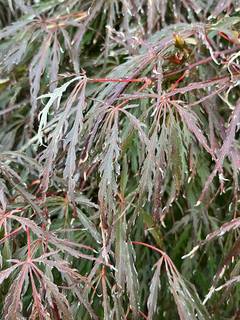
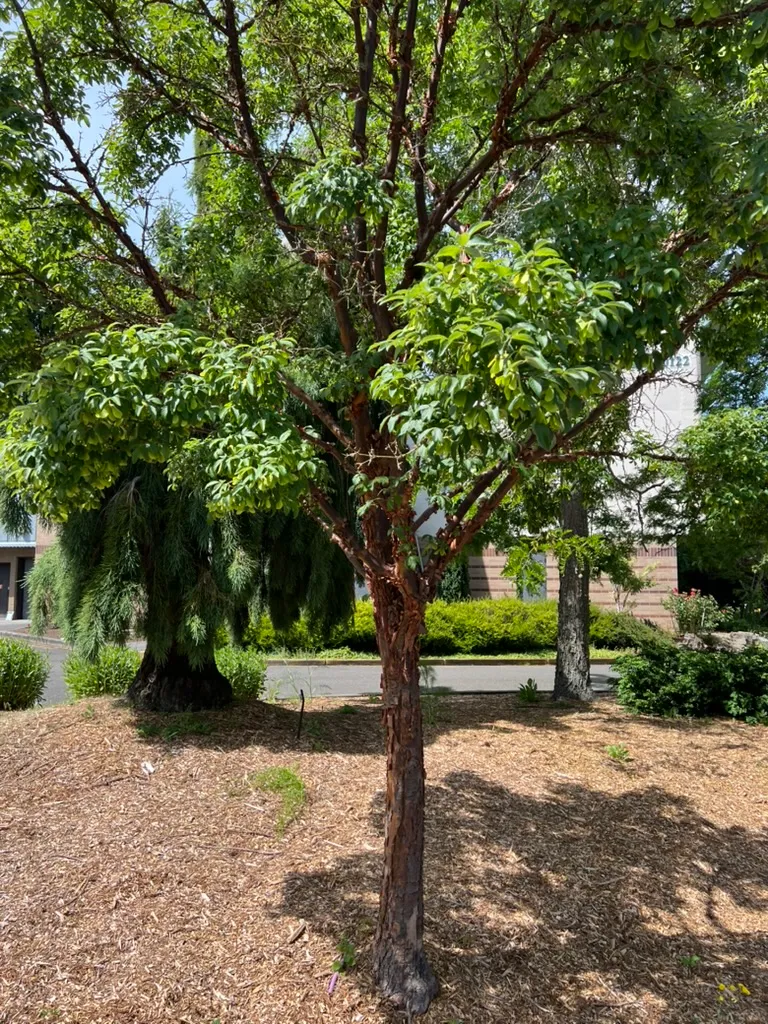
Acer griseum is paperbark maple, an upright deciduous tree growing 20-30 feet (6-9 m) tall and 15-25 feet (4.5-7.5 m) wide. Cinnamon to copper-orange bark that exfoliates in thin papery curling sheets — visible year-round. The bark exfoliation intensifies on wood 3+ years old and is the species' defining visual trait. Dark green trifoliate compound leaves with serrated margins, each leaflet 1.5-3 inches (4-7 cm) long. Orange to red-scarlet fall color. Inconspicuous yellow-green flowers 0.25 inch (6 mm) in small pendant clusters in early spring (April-May). In Sapindaceae. Native to central China — mountain forests at 4,000-6,500 feet (1,200-2,000 m). Collected by Ernest Henry Wilson in Hubei, China (1901). Slow-growing — 6-12 inches (15-30 cm) of height per year. Low seed viability (typically under 5%) makes propagation difficult and nursery stock relatively expensive compared to other small maples. This slow growth rate and limited availability are the primary practical limitations. Not drought-tolerant — requires consistent moisture; leaf scorch occurs in dry or exposed sites. Deer browse the foliage. Non-toxic. Zones 4-8. Full sun to partial shade. Growth rate is slow.
Native Range
Native to central China — Gansu, Henan, Hubei, Hunan, Shaanxi, and Sichuan provinces. Found in mountain forests at 4,000-6,500 feet (1,200-2,000 m).Suggested Uses
Grown as a specimen tree in residential gardens and mixed borders spaced 15-20 feet (4.5-6 m) from adjacent plants. Year-round exfoliating bark. Fall color (orange to red-scarlet). Slow-growing. Not drought-tolerant. Non-toxic. Zones 4-8.How to Identify
Appearance
Size & Dimensions
Height20' - 30'
Width/Spread15' - 25'
Bloom Information
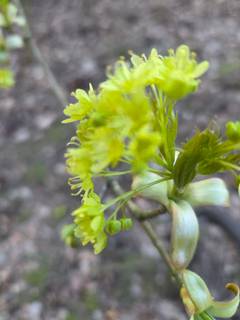
Early spring (April-May). Yellow-green inconspicuous flowers 0.25 inch (6 mm) in pendant clusters of 3. 2 weeks of bloom. Bee-pollinated. Paired samaras rarely produce viable seed (under 5% viability).
Detailed Descriptions
Flower Description
Yellow-green, inconspicuous, 0.25 inch (6 mm), in small pendant clusters of 3 flowersFoliage Description
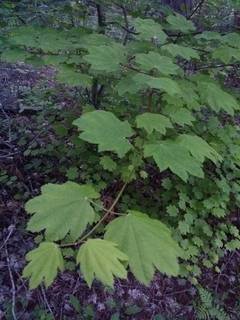
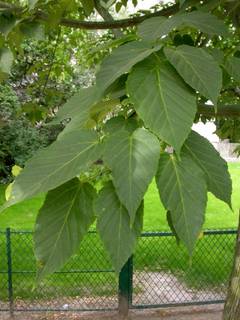
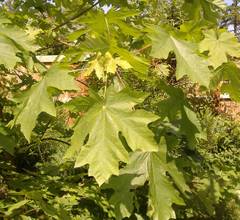
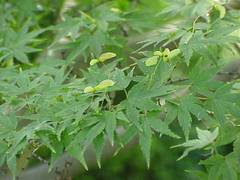
Dark green, trifoliate compound with serrated margins, each leaflet 1.5-3 inches (4-7 cm) long; orange to red-scarlet in fallGrowing Conditions
Sun Requirements
Requires 4-8 hours of direct sunlight daily
• Full Sun: 6+ hours of direct sunlight
• Partial Shade: 3-6 hours of direct sunlight
• Full Shade: Less than 3 hours of direct sunlight
Care & Maintenance
Care Guide
Full sun to partial shade (4-8 hours). Well-drained moist soil pH 5.5-7.0. Not drought-tolerant — leaf scorch in dry or exposed sites. Slow-growing (6-12 inches / 15-30 cm per year). Prune in summer (July-August) to avoid sap bleeding. Not deer-resistant. Non-toxic. Zones 4-8.Pruning
Prune in summer (July-August) to avoid sap bleeding — do not prune in late winter or spring. Remove crossing or damaged branches. Structural pruning to establish a central leader when young. Avoid heavy pruning — the slow growth rate means recovery is slow.Pruning Schedule
Prune: July–August
summer