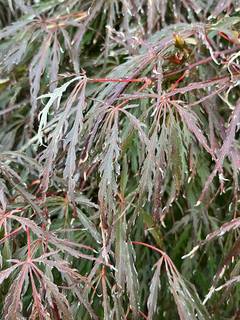
Image 1 of 8
1 / 8
Plant Reference
Acer, Genus, davidii, Species,
- Genus & species
snakebark maple
Central and western China — Sichuan, Yunnan, Hubei, Shaanxi provinces; mountain forests at 3,000-8,000 feet (900-2,400 m)
Overview
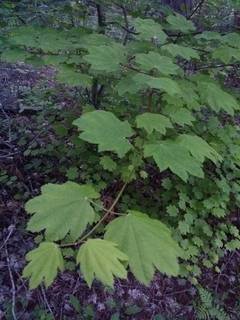
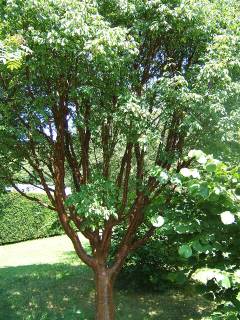
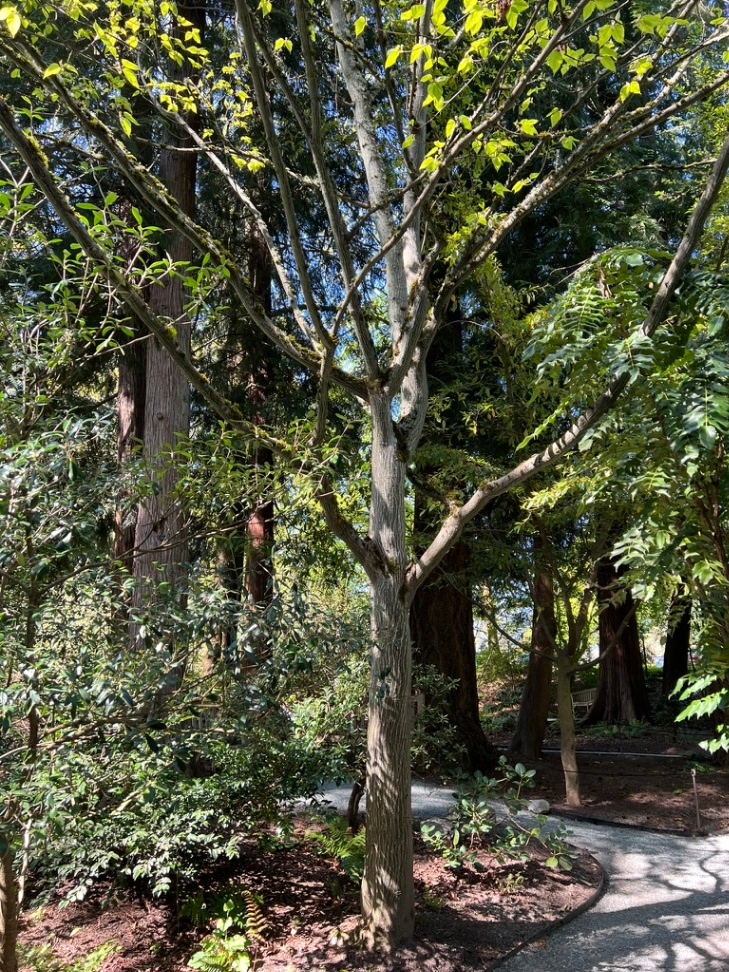
Acer davidii is snakebark maple (Father David's maple), an upright deciduous tree growing 20-35 feet (6-11 m) tall and 15-25 feet (4.5-7.5 m) wide. Green bark marked by white longitudinal stripes — the 'snakebark' pattern visible year-round on young branches and trunk. The stripe pattern develops on wood 1-5 years old and fades as bark matures. Ovate leaves with serrated margins 3-6 inches (7-15 cm) long — bronze-green in spring, mid-green in summer, yellow to orange-red in fall. Yellow-green tiny flowers in pendant racemes 2-3 inches (5-7 cm) in April-May. Paired samaras 1 inch (2.5 cm) in fall. In Sapindaceae. Native to central and western China — mountain forests at 3,000-8,000 feet (900-2,400 m). Named for the French missionary and naturalist Armand David. Not drought-tolerant — requires consistent moisture. The bark can crack and develop cankers in exposed windy sites or during rapid temperature changes — site in a sheltered location for bark longevity. This vulnerability to bark damage in exposed sites is the primary limitation. Deer browse the foliage. Non-toxic. Zones 5-8. Part shade to full sun. Growth rate is moderate.
Native Range
Native to central and western China — Sichuan, Yunnan, Hubei, and Shaanxi provinces. Found in mountain forests at 3,000-8,000 feet (900-2,400 m).Suggested Uses
Grown as a specimen tree in sheltered gardens spaced 15-20 feet (4.5-6 m) from adjacent plants. Snakebark pattern visible year-round. Fall color (yellow to orange-red). Site in a sheltered location. Not drought-tolerant. Non-toxic. Zones 5-8.How to Identify
Appearance
Size & Dimensions
Height20' - 35'
Width/Spread15' - 25'
Colors
Bloom Information
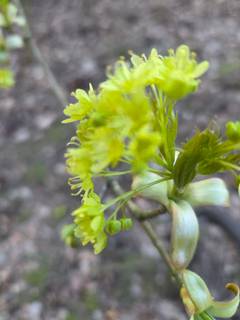
Mid spring (April-May). Yellow-green tiny flowers in pendant racemes 2-3 inches (5-7 cm). 3 weeks of bloom. Bee-pollinated. Followed by paired samaras 1 inch (2.5 cm).
Detailed Descriptions
Flower Description
Yellow-green, tiny, in pendant racemes 2-3 inches (5-7 cm) longFoliage Description
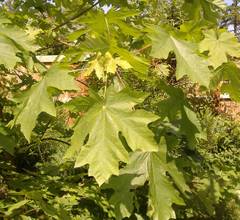
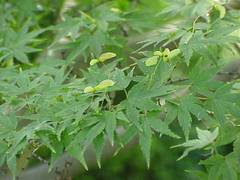
Bronze-green in spring, mid-green in summer, ovate with serrated margins 3-6 inches (7-15 cm) long; yellow to orange-red in fallGrowing Conditions
Sun Requirements
Requires 4-8 hours of direct sunlight daily
• Full Sun: 6+ hours of direct sunlight
• Partial Shade: 3-6 hours of direct sunlight
• Full Shade: Less than 3 hours of direct sunlight
Care & Maintenance
Care Guide
Part shade to full sun (4-8 hours). Well-drained moist soil pH 5.5-7.0. Not drought-tolerant — requires consistent moisture. Site in a sheltered location to protect the bark from wind damage and temperature extremes. Prune in late summer (August-September) to avoid sap bleeding. Not deer-resistant. Non-toxic. Zones 5-8.Pruning
Prune in late summer (August-September) to avoid sap bleeding. Remove crossing or damaged branches. Avoid damaging the bark — the snakebark striping is on the outer bark layer. Structural pruning is rarely needed on this species.Pruning Schedule
Prune: August–September
summer