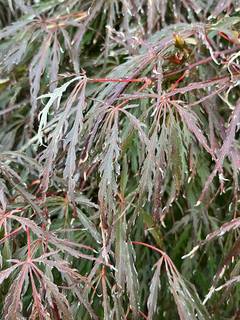
Image 1 of 4
1 / 4
Plant Reference
Acer, Genus, macrophyllum, Species,
- Genus & species
bigleaf maple
Western North America — from southern Alaska south through British Columbia, Washington, Oregon, and into California; coastal and lower mountain forests
Overview
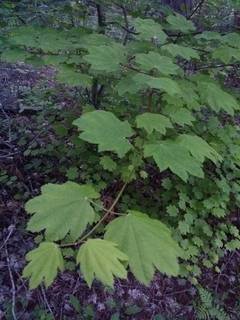
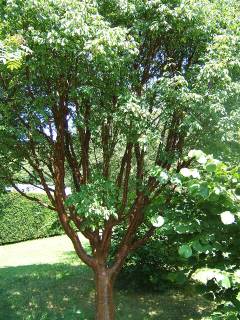
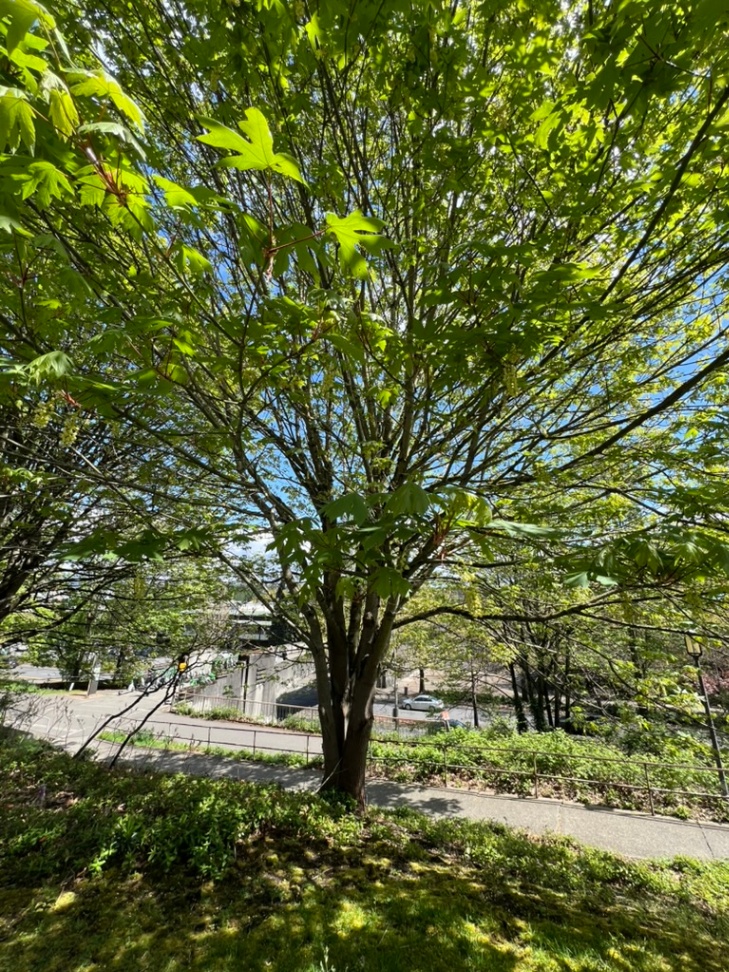
Acer macrophyllum is bigleaf maple, a large spreading deciduous tree growing 50-100 feet (15-30 m) tall and 30-50 feet (9-15 m) wide. Deeply 5-lobed leaves 8-12 inches (20-30 cm) across — the largest leaves of any Acer species. Dark green above, pale green beneath. Yellow to golden yellow fall color. Fragrant yellow-green flowers in pendant cylindrical racemes 4-6 inches (10-15 cm) in April. In Sapindaceae. The largest maple species in North America — mature specimens reach 100 feet (30 m) with trunk diameters of 3-4 feet (90-120 cm). Native to western North America — from southern Alaska through British Columbia, Washington, Oregon, and into California. The deeply furrowed gray-brown bark develops on mature trunks. In the Pacific Northwest the branches are commonly covered with epiphytic mosses and ferns. The large size is the primary limitation — requires sites far from structures, utilities, and paving. The shallow surface roots lift pavement and sidewalks within 15-20 feet (4.5-6 m) of the trunk. The heavy leaf litter (large leaves decompose slowly) and dense shade limit underplanting. Not drought-tolerant — requires consistent moisture. Non-toxic. Zones 5-9. Part sun to full sun. Growth rate is fast.
Native Range
Native to western North America — from southern Alaska south through British Columbia, Washington, Oregon, and into California. Found in coastal and lower mountain forests.Suggested Uses
Grown as a large shade tree in parks, large properties, and riparian areas spaced 30-40 feet (9-12 m) from structures. Native to western North America. Large site required — 50-100 feet (15-30 m) tall. Not suited to residential lots under 0.5 acres. Non-toxic. Zones 5-9.How to Identify
Appearance
Size & Dimensions
Height50' - 100'
Width/Spread30' - 50'
Colors
Bloom Information
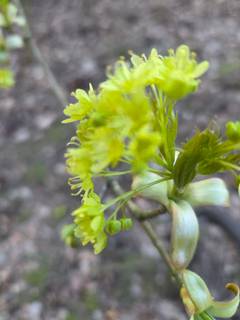
Mid spring (April). Fragrant yellow-green flowers in pendant cylindrical racemes 4-6 inches (10-15 cm). 3 weeks of bloom. Bee-pollinated. One of the earliest spring nectar sources in the Pacific Northwest.
Detailed Descriptions
Flower Description
Yellow-green, fragrant, in pendant cylindrical racemes 4-6 inches (10-15 cm) longFoliage Description
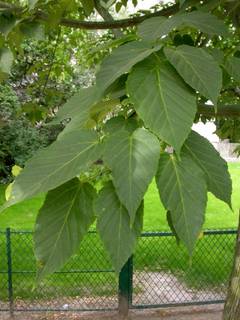
Dark green above, pale green beneath; deeply 5-lobed, 8-12 inches (20-30 cm) across — the largest leaves of any Acer species; yellow to golden yellow in fallGrowing Conditions
Sun Requirements
Requires 4-8 hours of direct sunlight daily
• Full Sun: 6+ hours of direct sunlight
• Partial Shade: 3-6 hours of direct sunlight
• Full Shade: Less than 3 hours of direct sunlight
Care & Maintenance
Care Guide
Part sun to full sun (4-8 hours). Moist soil pH 5.0-7.0 — tolerates clay. Not drought-tolerant. Requires a large site — 50-100 feet (15-30 m) tall, 30-50 feet (9-15 m) wide at maturity. Shallow surface roots lift pavement. Prune in summer (July-August) to avoid sap bleeding. Not deer-resistant. Non-toxic. Zones 5-9.Pruning
Prune in summer (July-August) to avoid sap bleeding. Remove dead, crossing, or low-hanging branches. Structural pruning to establish a strong central leader when young. Large limbs require professional arborist care. Do not top — topping causes weak regrowth prone to breakage.Pruning Schedule
Prune: July–August
summer