Image 1 of 5
1 / 5
Plant Reference
Acer, Genus, palmatum, Species,
- Genus & species
Japanese maple
Japan, Korea, and eastern China; woodland understory and forest margins at low to mid-elevations
Overview
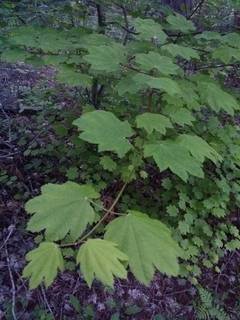
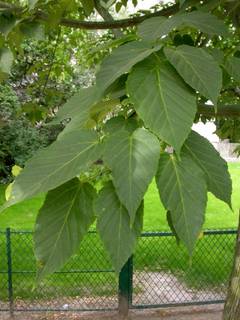
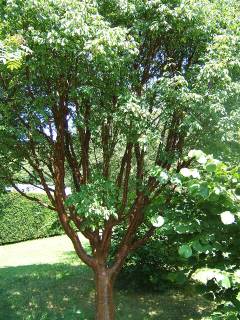
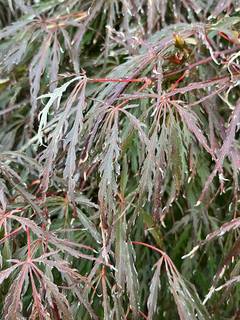
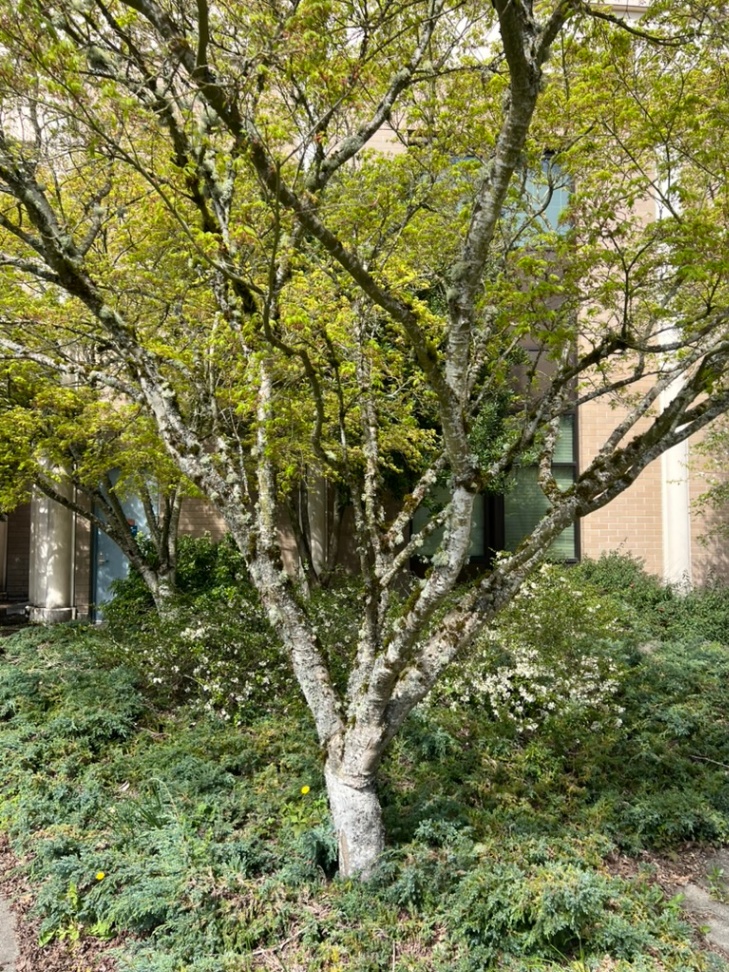
Acer palmatum is Japanese maple, a small spreading deciduous tree growing 15-25 feet (4.5-7.5 m) tall and 15-25 feet (4.5-7.5 m) wide. Palmately 5-7 (sometimes 9) lobed leaves 2-5 inches (5-13 cm) across with narrow sharply pointed lobes and serrated margins. Green foliage in summer, turning yellow, orange, or red in fall depending on seedling genetics and site conditions. Red-purple flowers 0.25 inch (6 mm) in upright corymbs in March-April. Layered horizontal branch architecture visible in winter after leaf drop. In Sapindaceae. Native to Japan, Korea, and eastern China — woodland understory and forest margins. The species type described here is the green-leaved seedling form — hundreds of named cultivars exist with red, purple, variegated, or dissected foliage. Leaf scorch occurs in afternoon sun (especially in zones 7-8), hot dry wind, and reflected heat from pavement — site in morning sun with afternoon shade in hot climates. This heat sensitivity is the primary limitation. Not drought-tolerant — requires consistent moisture. Shallow fibrous root system — do not cultivate under the canopy. Japanese beetle (Popillia japonica) feeds on the foliage. Verticillium wilt (Verticillium dahliae) causes branch dieback. Non-toxic. Zones 5-8. Part sun. Growth rate is slow to moderate.
Native Range
Native to Japan, Korea, and eastern China. Found in woodland understory and forest margins at low to mid-elevations.Suggested Uses
Grown as a specimen tree in residential gardens, courtyards, and containers of at least 25 gallons (95 L). Morning sun with afternoon shade in zones 7-8. Layered canopy. Fall color. Hundreds of named cultivars. Not drought-tolerant. Non-toxic. Zones 5-8.How to Identify
Appearance
Size & Dimensions
Height15' - 25'
Width/Spread15' - 25'
Bloom Information
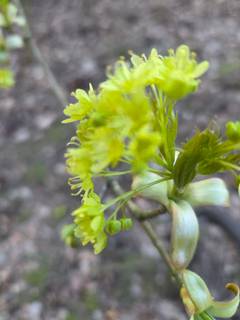
Early to mid spring (March-April). Red-purple flowers 0.25 inch (6 mm) in upright corymbs. 3 weeks of bloom. Bee-pollinated. Paired samaras 0.75 inch (2 cm) ripen in September-October.
Detailed Descriptions
Flower Description
Red-purple, small, 0.25 inch (6 mm), in upright corymbsFoliage Description
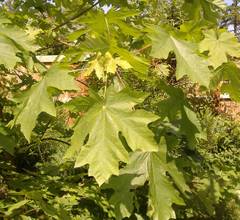
Green, palmately 5-7 (sometimes 9) lobed, each lobe narrow and sharply pointed with serrated margins, 2-5 inches (5-13 cm) across; yellow, orange, or red in fall depending on seedling genetics and site conditionsGrowing Conditions
Sun Requirements
Requires 4-6 hours of direct sunlight daily
• Full Sun: 6+ hours of direct sunlight
• Partial Shade: 3-6 hours of direct sunlight
• Full Shade: Less than 3 hours of direct sunlight
Care & Maintenance
Care Guide
Part sun (4-6 hours — morning sun with afternoon shade in zones 7-8). Well-drained moist acidic soil pH 5.5-6.5. Not drought-tolerant. Leaf scorch in afternoon sun, hot dry wind, and reflected heat. Shallow fibrous roots — do not cultivate under the canopy. Prune in summer or dormant season — avoid late winter/spring (sap bleeding). Non-toxic. Zones 5-8.Pruning
Prune in summer (July-August) or dormant season (November-December) — avoid late winter and spring when sap bleeding is heaviest. Remove crossing, dead, or inward-growing branches to maintain the layered canopy structure. Thin rather than head-back — heading cuts destroy the natural form.Pruning Schedule
Prune: July–August & November–December
summerwinter
Container Growing
Suitable for container growing
Minimum container size: 25 gallons