Quercus, Genus, texana, Species,
- Genus & species
Nuttall oak tree
Central United States; Mississippi River valley
Overview
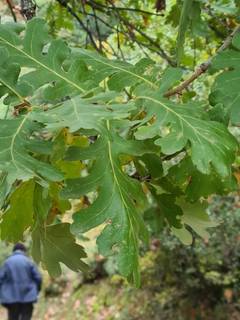
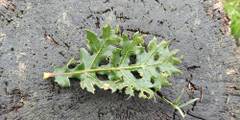
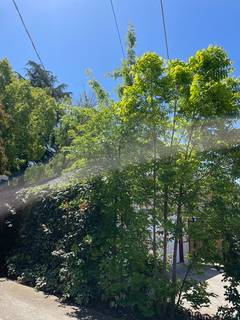
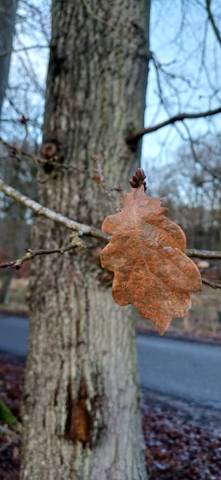
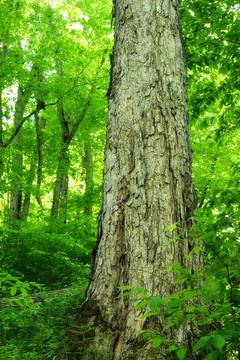
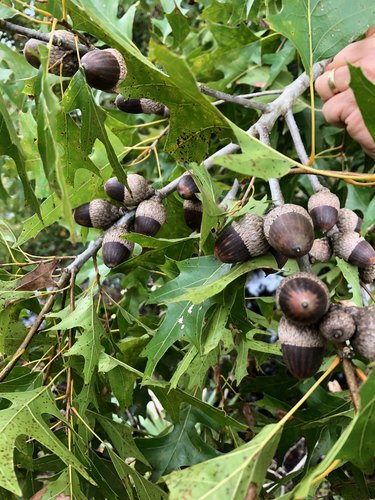
Quercus texana is a deciduous oak in the red oak group reaching 60-80 feet (18-24 m) tall and 40-50 feet (12-15 m) wide at maturity. Young trees develop a pyramidal habit, broadening to a rounded or oval crown with age. Bark is smooth and gray-brown on young trees, becoming gray-black with shallow ridges and furrows on mature trunks. Leaves alternate, 4-8 inches (10-20 cm) long with 5-9 pointed, bristle-tipped lobes and deep U-shaped sinuses; emerge bronze-red in spring, mature glossy dark green above and pale green beneath. Fall foliage turns red-orange to deep red, often holding on the tree into early winter. Yellow-green male catkins 2-3 inches (5-8 cm) long appear with new leaves in March-April. Acorns oblong-ovoid, 0.5-1 inch (1.3-2.5 cm) long with a shallow bowl-shaped cap covering one-third of the nut; mature in fall of the second year. Growth rate 2-3 feet (60-90 cm) per year on suitable sites. Tolerates seasonal flooding and heavy clay soils; deep taproot resists transplanting once trees pass the seedling stage.
Native Range
Quercus texana is native to bottomland forests of the central Mississippi River valley, ranging from southeastern Missouri and southern Illinois south through Arkansas, western Tennessee, Mississippi, Louisiana, and eastern Texas. Found on poorly-drained alluvial floodplains, river terraces, and slow-moving stream margins at elevations below 500 feet (150 m). Frequently grows alongside Quercus phellos, Q. lyrata, and Liquidambar styraciflua in seasonally inundated habitats.Suggested Uses
Commonly planted as a street tree in zones 5-9 with 30-40 foot (9-12 m) spacing between trees. Used as a shade tree in residential lawns where soil pH ranges from 5.5 to 7.5; iron chlorosis develops on alkaline urban soils and limits suitability for sites with pH above 7.5. Used in stormwater retention areas and floodplain restorations due to tolerance of seasonal inundation.How to Identify
Appearance
Size & Dimensions
Height60' - 80'
Width/Spread40' - 50'
Bloom Information
Yellow-green male catkins emerge with new leaves from late March through April depending on latitude, with peak pollen release lasting 7-10 days. Female flowers are small and inconspicuous, borne singly or in small clusters in leaf axils on new growth. Acorns mature in fall of the second year after pollination. Bloom timing shifts 2-3 weeks later in zones 5-6 compared to zones 8-9.
Detailed Descriptions
Foliage Description
glossy dark green above and pale green beneath; emerges bronze-red; turns red-orange to deep red in fallGrowing Conditions
Sun Requirements
Requires 6-12 hours of direct sunlight daily
• Full Sun: 6+ hours of direct sunlight
• Partial Shade: 3-6 hours of direct sunlight
• Full Shade: Less than 3 hours of direct sunlight
Care & Maintenance
Care Guide
Young trees require 10-15 gallons (38-57 L) of water per inch (2.5 cm) of trunk diameter weekly during the first two growing seasons. Mature trees tolerate seasonal flooding for up to 60 days and survive 4-6 weeks without rain in summer. A 2-3 inch (5-8 cm) layer of bark mulch in a 4-foot (1.2 m) radius around the trunk, held 4 inches (10 cm) back from the trunk, reduces collar rot risk. Annual fertilization is unnecessary on most soils; iron chlorosis develops on soils above pH 7.5 and is corrected by iron sulfate soil drench in spring. Oak wilt occurs in zones 5-7 and spreads through root grafts and by sap-feeding beetles in spring, with dormant-season pruning reducing transmission. Two-lined chestnut borer attacks drought-stressed trees, and consistent soil moisture during dry periods reduces infestation.Pruning
Structural pruning is performed in winter from December through February while the tree is dormant. Removal of crossed, damaged, or rubbing branches occurs before the tree reaches 6 inches (15 cm) of trunk diameter to maintain a single central leader. Cuts larger than 4 inches (10 cm) heal slowly in oaks and are minimized on landscape trees. Pruning in spring and early summer is associated with increased oak wilt transmission in zones 5-7.Pruning Schedule
Prune: December–February
winter