Asclepias, Genus, spp., Multiple species,
- Genus
- Multiple species
native milkweed selections
Native species across North America (United States and Canada)
Overview
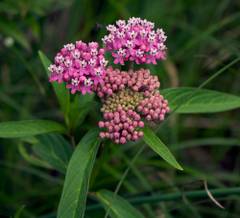
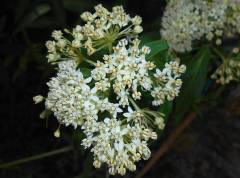
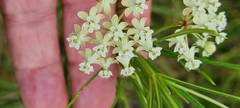
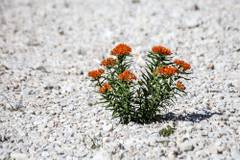
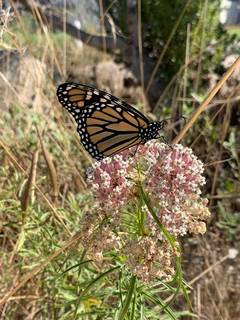
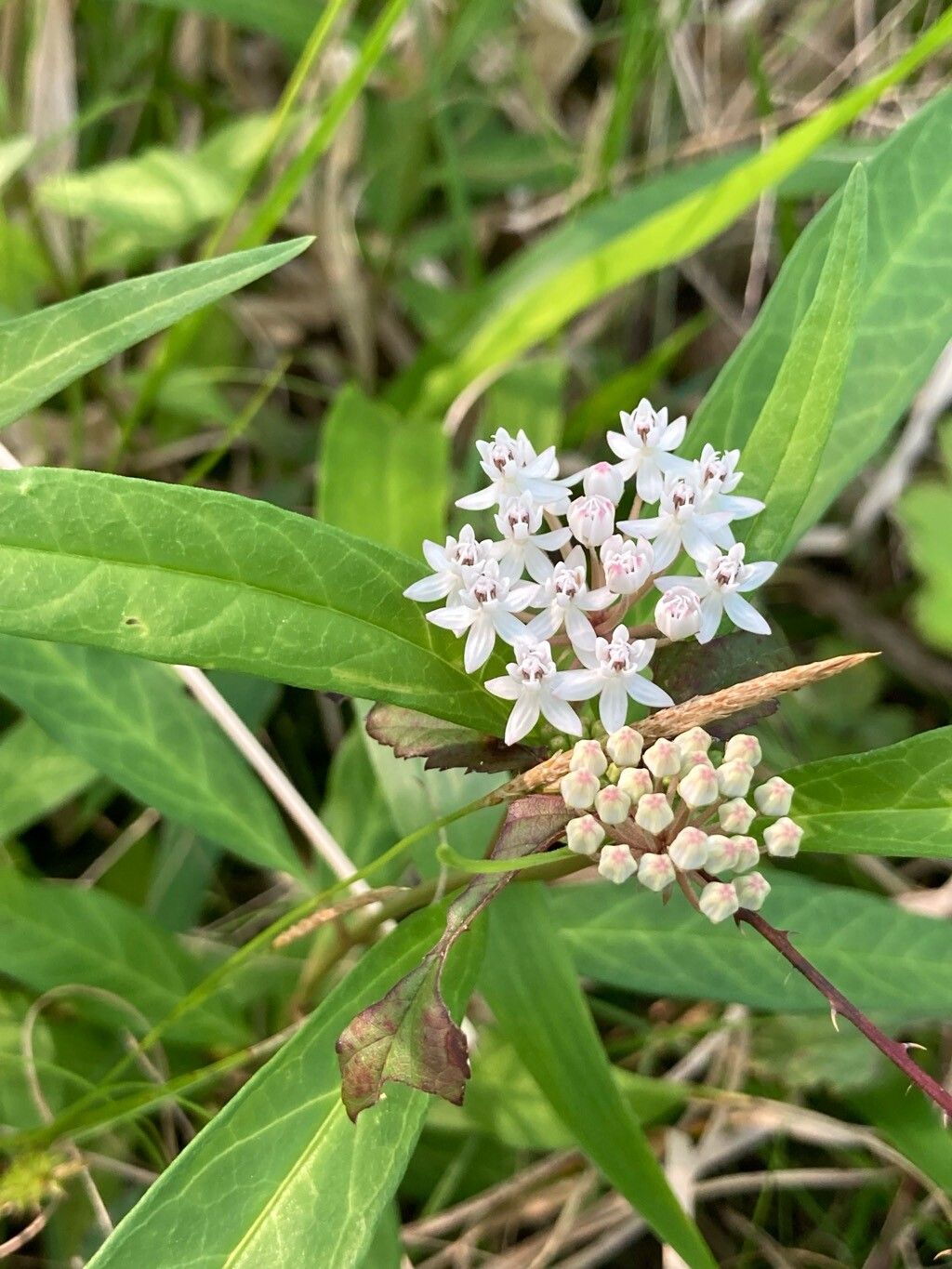
Asclepias spp. Native Milkweed Selections is a curated mix of milkweed species selected as host plants for monarch butterfly (Danaus plexippus) larvae. Individual species reach 24-60 inches (60-150 cm) tall and 12-24 inches (30-60 cm) wide at maturity. Foliage varies by species: opposite or whorled lance-shaped to oblong leaves 3-8 inches (8-20 cm) long, with a milky white sap exuded from cuts that contains cardiac glycosides. Flowers in terminal or axillary umbels 2-5 inches (5-13 cm) across, with each individual flower 0.25-0.5 inch (0.6-1.3 cm) across in pink, orange, white, purple, or rose-red depending on species; flowers are fragrant in many species and serve as a major nectar source for adult butterflies and bees. Bloom occurs from June through August in zones 4-8 across the species in the collection. Plants form deep taproots that resent transplanting once established. Foliage holds through the season and yellows after first hard frost. Seed pods 3-5 inches (8-13 cm) long split in autumn to release silk-tufted seeds that disperse on wind. Specific species composition of the collection varies by supplier; mixes typically include 3-6 of the commercially available native species.
Native Range
The Asclepias genus contains approximately 100 species native to North and South America, with the species in this collection drawn from the 70+ Asclepias species native to the United States and Canada. Habitat ranges by species from wet meadows (A. incarnata) to dry prairies (A. tuberosa, A. verticillata) at elevations from sea level to 8,000 feet (2,400 m).Suggested Uses
Used in pollinator and butterfly gardens, prairie and meadow plantings, and rain gardens (for moisture-loving species). Massed plantings of 12-25 plants form a host-plant patch large enough to support multiple monarch caterpillars. Container culture is workable for tap-rooted species in pots of at least 5 gallons (19 L); rhizomatous species are not practical in containers.How to Identify
Appearance
Size & Dimensions
Height2' - 5'
Width/Spread1' - 2'
Bloom Information
Bloom period across the collection extends from late May through early September depending on species. Most species flower 4-6 weeks per plant. A. tuberosa blooms June-August in zones 5-8; A. incarnata blooms July-August; A. syriaca blooms June-July. Cool-season species flower earlier in zones 7-9 than in zones 3-5.
Detailed Descriptions
Flower Description
variable across species: pink, orange, white, purpleFoliage Description
medium green to grey-greenGrowing Conditions
Sun Requirements
Requires 6-10 hours of direct sunlight daily
• Full Sun: 6+ hours of direct sunlight
• Partial Shade: 3-6 hours of direct sunlight
• Full Shade: Less than 3 hours of direct sunlight
Care & Maintenance
Care Guide
Water weekly during the first growing season in the absence of rain. Established plants tolerate species-specific moisture levels: A. tuberosa tolerates drought once established, while A. incarnata requires consistent moisture and grows in standing water. Aphids (Aphis nerii, the oleander aphid) cluster on stems and seed pods in summer; the orange aphids do not significantly damage the plants and clean off easily with water spray. Most milkweeds form deep taproots within the first season and resent transplanting; container-grown plants from young nursery stock establish more readily than larger pot-bound specimens. Self-seeding occurs in undisturbed conditions; rhizomatous species such as A. syriaca also spread by underground runners. Divide rhizomatous species in early spring; tap-rooted species such as A. tuberosa propagate from seed rather than division.Pruning
Cut all stems to 4-6 inches (10-15 cm) above ground in late autumn after seed dispersal or in early spring before new growth emerges. Removing seed pods before they split prevents self-seeding but reduces seed available to wildlife and for monarch overwintering. Lifting and dividing rhizomatous species every 4-5 years controls colony spread.Pruning Schedule
Prune: March & November
fallearly spring
Container Growing
Suitable for container growing
Minimum container size: 5 gallons