Asclepias, Genus, oenotheroides, Species,
- Genus & species
Zizotes milkweed
South-central and southwestern North America to Central America
Overview
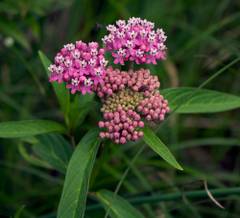
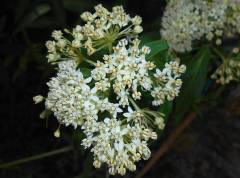
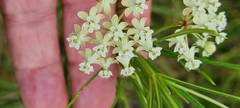
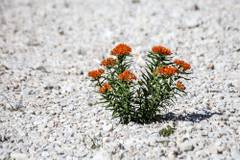
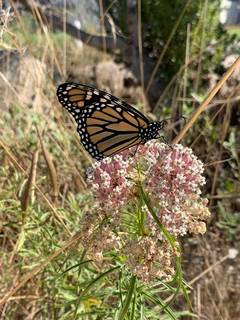
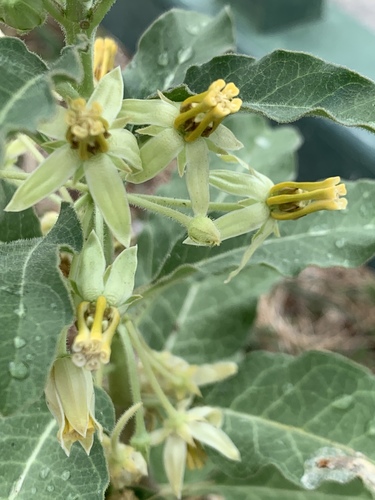
Asclepias oenotheroides is a low, clump-forming perennial milkweed in the Apocynaceae, growing 8-24 inches (20-60 cm) tall with a sprawling to ascending habit and a spread of 12-24 inches (30-60 cm). Stems rise from a woody rootstock and carry opposite, lance-shaped to oval leaves 2-5 inches (5-13 cm) long with wavy margins. From late spring through early autumn it bears rounded clusters (umbels) of greenish-cream to pale yellow flowers, each about 0.4-0.6 inch (10-15 mm) across, with the reflexed petals and raised hoods typical of the genus. Pollinated flowers develop into spindle-shaped seed pods 3-5 inches (8-13 cm) long that split to release flat brown seeds carried by silky white hairs. All parts contain milky latex with cardiac glycosides that are toxic to people, livestock, and pets if eaten, and the sap can irritate skin and eyes. The foliage is a larval food source for monarch butterfly caterpillars, and the flowers draw bees and other insects. Native to dry grasslands and disturbed ground, it withstands heat and drought once established, but it is slow to colonize and short-lived in heavy, wet soils.
Native Range
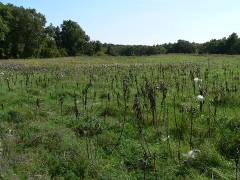
Native to the south-central and southwestern United States, from Texas and New Mexico into Arizona, and south through Mexico to Central America. It grows in open grasslands, prairies, and disturbed roadside soils.Suggested Uses
Asclepias oenotheroides is used in native plant gardens, pollinator plantings, and dry meadow restorations across the southern United States. Its low habit suits the front of borders and gravelly, sunny beds. It supports monarch butterfly larvae as a host plant.How to Identify
Appearance
Size & Dimensions
Height8" - 2'
Width/Spread1' - 2'
Bloom Information
Detailed Descriptions
Flower Description
greenish-cream to pale yellowFoliage Description
greenGrowing Conditions
Sun Requirements
Requires 6-12 hours of direct sunlight daily
• Full Sun: 6+ hours of direct sunlight
• Partial Shade: 3-6 hours of direct sunlight
• Full Shade: Less than 3 hours of direct sunlight