Asclepias, Genus,
- Genus
milkweeds
The Americas (greatest diversity in North America), with a few species in Africa
Overview
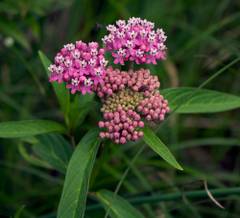
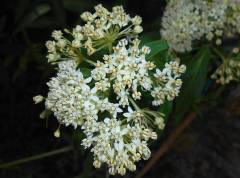
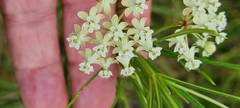
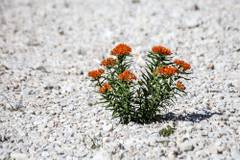
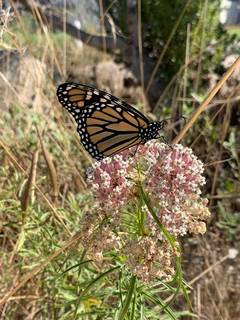
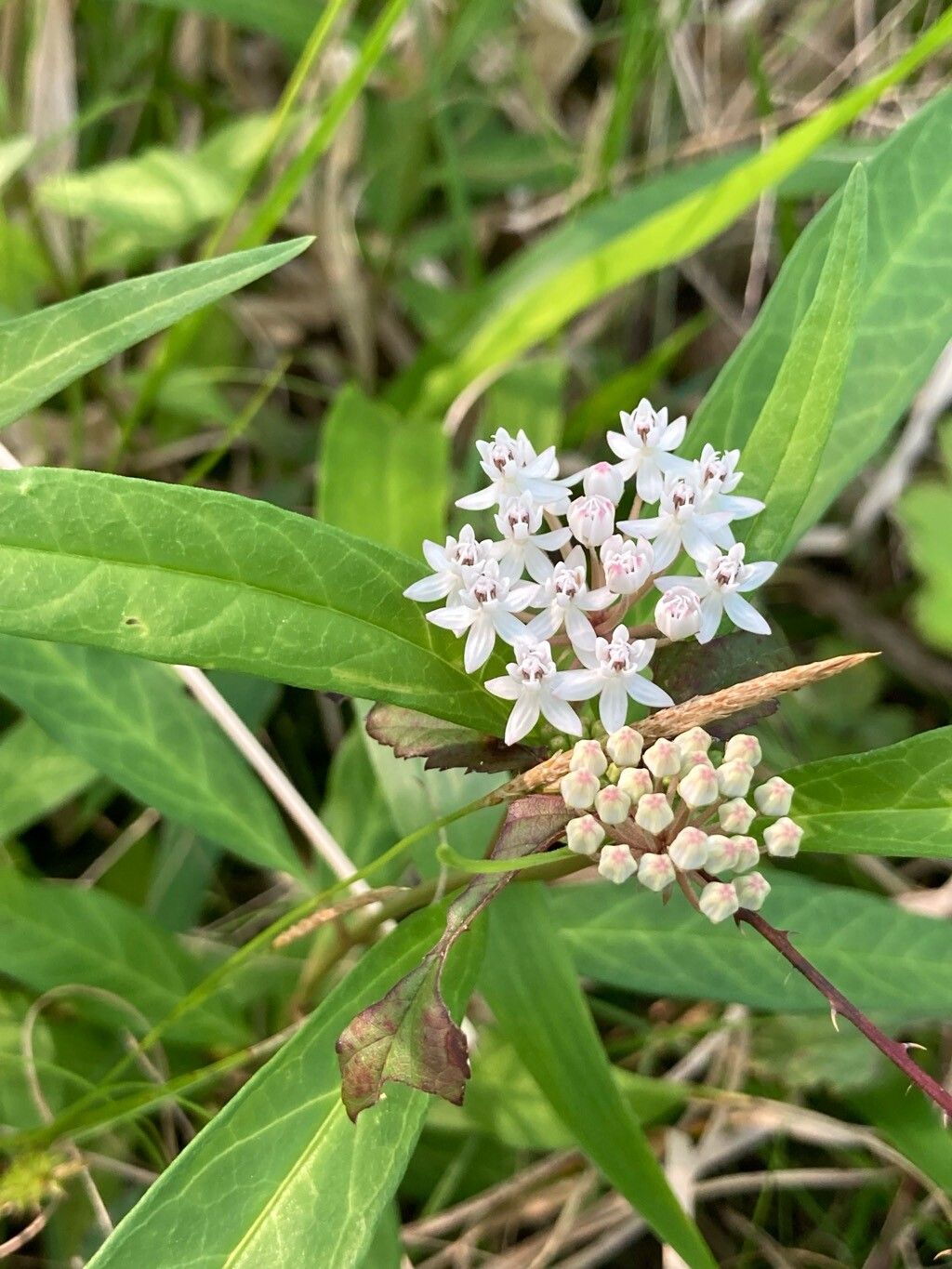
Asclepias is a genus of about 140 species of perennial herbs in the dogbane family (Apocynaceae), known as milkweeds. Most species form erect, unbranched or sparingly branched stems 1-5 feet (30-150 cm) tall, and the majority exude a milky white latex when cut, though A. tuberosa has clear sap. Leaves are opposite or whorled, lance-shaped to oval, 2-6 inches (5-15 cm) long. The flowers are borne in rounded umbels and have an intricate structure: five reflexed petals below a central crown of five upright hoods, each with a curved horn, in orange, pink, red, white, purple, or greenish yellow. After flowering the plants form spindle-shaped follicles that split to release flat brown seeds carried on tufts of silky hairs. Milkweeds are the obligate larval host for monarch butterflies, and the nectar-rich flowers draw many other pollinators. All parts contain cardiac glycosides that are poisonous to people, pets, and livestock if eaten. The genus spans habitats from dry prairies to wet meadows, so moisture needs vary by species. Most form deep roots and re-establish slowly after transplanting.
Native Range
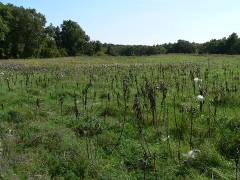
Asclepias is centered in North America, where most of its roughly 140 species occur, with additional species in Central and South America and a few in Africa. Many North American species grow in prairies, meadows, and along roadsides.Suggested Uses
Planted in pollinator and butterfly gardens, native meadow and prairie plantings, and the back or middle of perennial borders depending on height. Wet-soil species suit rain gardens and pond margins, while dryland species suit gravel and naturalistic plantings. The silky seed heads are also used in dried arrangements.How to Identify
Appearance
Size & Dimensions
Height1' - 5'
Width/Spread1' - 3'
Bloom Information
Most milkweeds bloom from early to late summer, with flowering lasting three to six weeks. The flowers are heavily scented in several species and produce abundant nectar that draws butterflies, bees, and wasps. Monarch caterpillars feed on the foliage through the same period.
Detailed Descriptions
Flower Description
orange, pink, red, white, or purpleFoliage Description
greenGrowing Conditions
Sun Requirements
Requires 6-10 hours of direct sunlight daily
• Full Sun: 6+ hours of direct sunlight
• Partial Shade: 3-6 hours of direct sunlight
• Full Shade: Less than 3 hours of direct sunlight