Asclepias, Genus, incarnata, Species,
- Genus & species
swamp milkweed
Eastern and central North America, from Nova Scotia to Florida and west to the Rocky Mountains
Overview
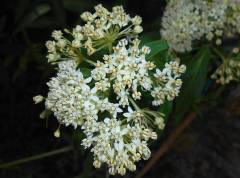
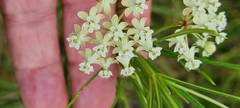
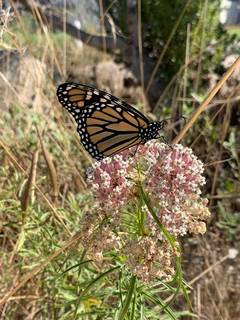
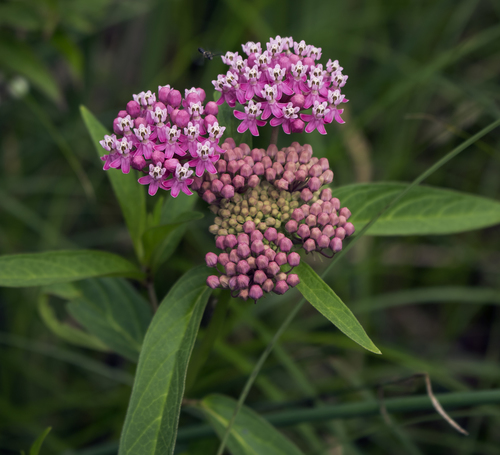
Asclepias incarnata is an upright, clump-forming perennial in the Apocynaceae family that grows 36–48 inches (90–120 cm) tall and 18–24 inches (45–60 cm) wide on sturdy, branching stems. Flat-topped clusters (umbels) of small rose-pink to mauve flowers open at stem tips from June through August, releasing a vanilla-like fragrance that draws a wide range of pollinating insects. The species is among the native North American milkweeds that serve as larval host plants for monarch butterflies (Danaus plexippus); female monarchs lay eggs on the leaves, and larvae feed on the foliage through their caterpillar stages. Lance-shaped, opposite, medium green leaves line the branching stems, separating this species from the alternate-leaved A. tuberosa. Compared with the common milkweed A. syriaca, swamp milkweed is clump-forming rather than aggressively rhizomatous, making it more manageable in garden settings. The plant occurs naturally in wet meadows, stream margins, and swamp edges and requires consistent moisture; in dry soil, leaves yellow and drop prematurely and bloom is reduced. Milky sap exuded from cut or broken stems contains cardiac glycosides toxic to humans, pets, and livestock if ingested, and the sap can irritate skin and eyes on contact. Deer bypass the foliage. Seed pods split in fall and release seeds carried on silky parachutes.
Native Range
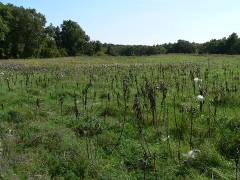
Asclepias incarnata is native to eastern and central North America, ranging from Nova Scotia south to Florida and west to the Rocky Mountains. It grows in wet meadows, swamp margins, stream banks, and moist ditches from sea level to 5,000 feet (1,500 m).Suggested Uses
Used as a key plant in monarch butterfly habitat gardens, pollinator meadows, rain gardens, and bioswales. Suited to pond edges, stream margins, and any moist-to-wet naturalistic planting. The clumping habit makes it more compatible with formal borders than the aggressive A. syriaca. Mass plantings of 5–10 build concentrated monarch habitat.How to Identify
Appearance
Size & Dimensions
Height3' - 4'
Width/Spread1'6" - 2'
Bloom Information
Flowering runs from June through August, with peak bloom in July. Flat-topped umbels of small rose-pink florets open in succession across the branching stems over approximately 6 weeks. Removing spent clusters during the season triggers lateral branches to produce a secondary flush of bloom. Fragrance carries on warm days.
Detailed Descriptions
Flower Description
Rose-pink to mauveFoliage Description
Medium green, lance-shaped, oppositeGrowing Conditions
Sun Requirements
Requires 6-10 hours of direct sunlight daily
• Full Sun: 6+ hours of direct sunlight
• Partial Shade: 3-6 hours of direct sunlight
• Full Shade: Less than 3 hours of direct sunlight
Care & Maintenance
Care Guide
Site in full sun with at least 6 hours of direct light. Consistently moist to wet soil is required; this species naturally grows in swamp and stream-margin habitats. Water heavily during dry spells, and do not let the soil dry out during the growing season. Tolerates clay soil and periodic flooding. Fertilization is unnecessary. Cut all stems to ground level in late fall or early spring before new growth emerges. The milky sap from cut stems contains cardiac glycosides and can irritate skin and eyes on contact. Aphid colonies (oleander aphids) commonly appear on stems and buds and are typically suppressed by ladybird beetles and other natural predators without intervention.Pruning
Cut spent flower clusters during the season to encourage reblooming. Some seed pods may be left to mature for monarch habitat value and self-sowing. Cut all stems to 3–4 inches (8–10 cm) above ground in late fall or early spring before new growth.Pruning Schedule
Prune: March & November
fallearly spring