Asclepias, Genus, incarnata, Species, 'Ice Ballet', Cultivar,
- Genus & species
- Cultivar
ice ballet swamp milkweed
Garden selection; species native to eastern and central North America
Overview
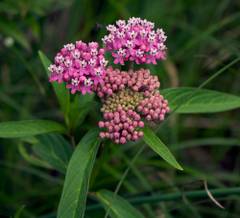
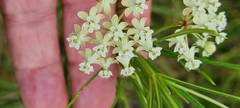
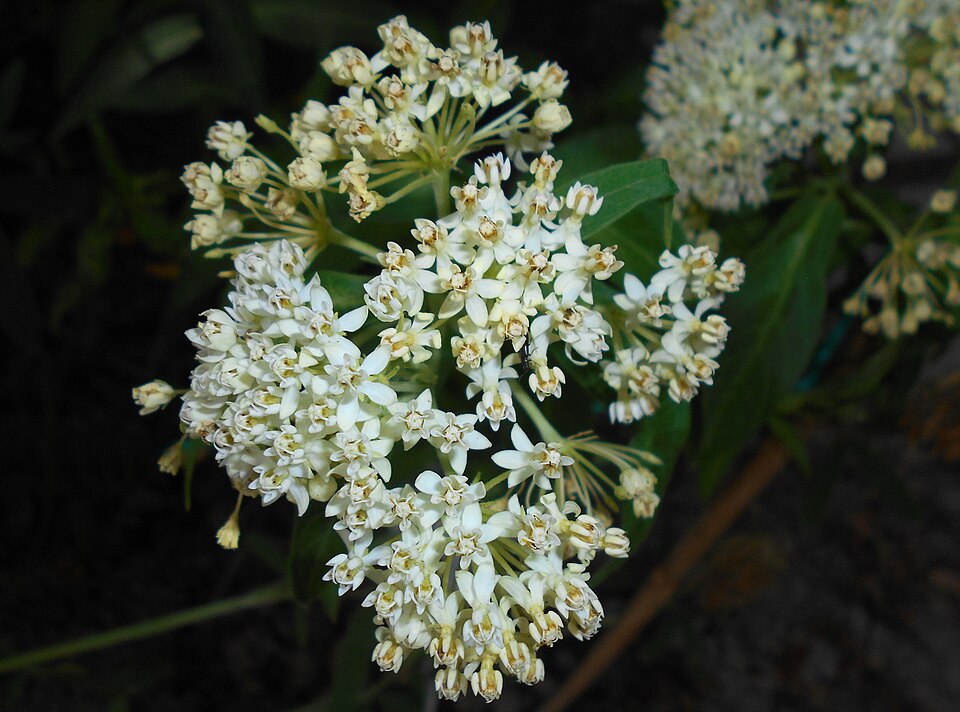
Asclepias incarnata 'Ice Ballet' is a white-flowered selection of swamp milkweed reaching 36-48 inches (90-120 cm) tall and 18-24 inches (45-60 cm) wide. Pure white flower clusters at stem tips replace the species' typical rose-pink, giving a lighter alternative for gardens designed around white- and pastel-flowered themes. Like the straight species, 'Ice Ballet' serves as a larval host plant for monarch butterflies (Danaus plexippus), and the white flowers are equally visited by bees, butterflies, and other pollinating insects. Lance-shaped opposite medium green leaves line the branching stems. The plant is clump-forming, not aggressively rhizomatous, and remains manageable in garden borders. Consistent moisture is required; swamp and stream-margin habitats are the species' natural setting. In dry conditions, lower leaves yellow and drop, and bloom is reduced. Milky sap contains cardiac glycosides toxic to humans, pets, and livestock. Deer avoid the foliage. Oleander aphid colonies commonly appear on stems and buds but are typically controlled by natural predators. Seedlings from 'Ice Ballet' may produce pink-flowered offspring due to genetic variation.
Native Range
The species Asclepias incarnata is native to eastern and central North America. 'Ice Ballet' is a garden selection chosen for white flower color.Suggested Uses
Used in monarch butterfly gardens, rain gardens, and wet meadow plantings where the white flowers give a lighter alternative to pink-flowered milkweeds. Suited to pond edges and bioswales. Pairs with blue and pink companions in mixed perennial borders with adequate moisture.How to Identify
Appearance
Size & Dimensions
Height3' - 4'
Width/Spread1'6" - 2'
Bloom Information
Flowering runs from June through August, with peak bloom in July. White flower umbels open in succession across branching stems over approximately 6 weeks. Deadheading spent clusters promotes secondary blooming. Vanilla-like fragrance is noticeable on warm days.
Detailed Descriptions
Flower Description
Pure white; flat-topped umbels at stem tips; replaces the species' typical rose-pinkFoliage Description
Medium green; lance-shaped opposite leaves on branching stems; deciduousGrowing Conditions
Sun Requirements
Requires 6-10 hours of direct sunlight daily
• Full Sun: 6+ hours of direct sunlight
• Partial Shade: 3-6 hours of direct sunlight
• Full Shade: Less than 3 hours of direct sunlight
Care & Maintenance
Care Guide
Sited in full sun with at least 6 hours of direct light. Consistently moist to wet soil is essential. Watered heavily during dry spells. Tolerates clay and periodic flooding. Fertilization is not used. Some seed pods are left for wildlife value. All stems are cut to ground level in late fall or early spring. Milky sap from broken stems can irritate skin and eyes; gloves support handling during pruning and division. Oleander aphids are expected and managed by natural predators.Pruning
Spent flower clusters are cut during the season to encourage reblooming. Some seed pods are left for monarch habitat. All stems are cut to 3-4 inches (8-10 cm) above ground in late fall or early spring.Pruning Schedule
Prune: March & November
fallearly spring