Asclepias, Genus, quadrifolia, Species,
- Genus & species
four-leaved milkweed
Overview
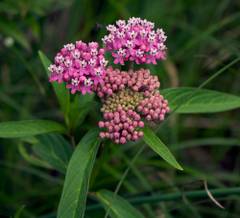
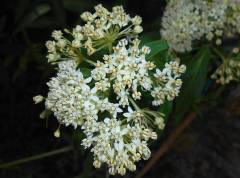
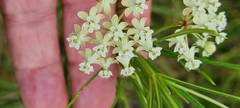
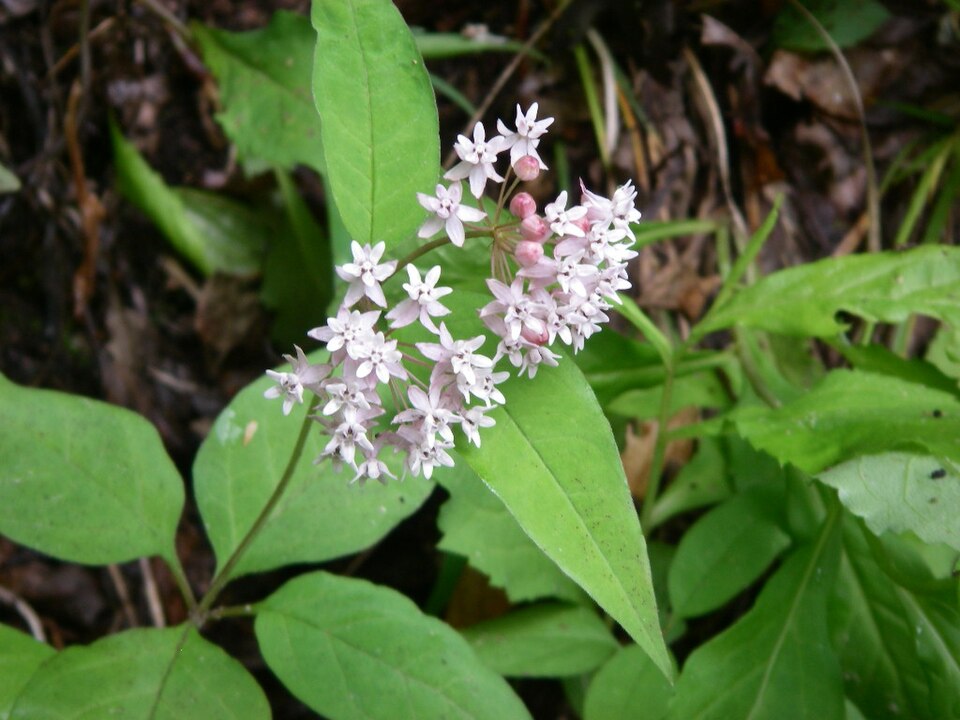
A slender, upright perennial growing 12–20 inches (30–50 cm) tall from a single unbranched stem. The defining feature is a whorl of four leaves at the middle of the stem, with one or two opposite pairs above and below. Leaves are ovate to lance-shaped, 2–5 inches (5–13 cm) long, thin-textured, and medium to bright green. Flowers are pale pink to nearly white, fragrant, about 0.25 inch (6 mm) across, grouped in one to four loose rounded clusters of 10–25 flowers at the stem tip. Each flower has the reflexed petals and raised central crown typical of milkweeds. Bloom occurs in May and June. Seed pods are slender, 3–5 inches (8–13 cm) long, splitting to release flat brown seeds carried on silky white hairs. Stems and leaves exude milky white sap when cut. All parts contain cardiac glycoside compounds that are toxic if ingested. The plant grows from a slender rhizome and dies to the ground each winter. It grows more sparsely than A. syriaca and does not form dense colonies.
Native Range
Native to eastern North America from southern Ontario and New Hampshire south to Georgia and Alabama, and west to Minnesota and Arkansas. Grows in dry, open deciduous woodlands, rocky wooded slopes, and woodland edges, usually in partial shade.Suggested Uses
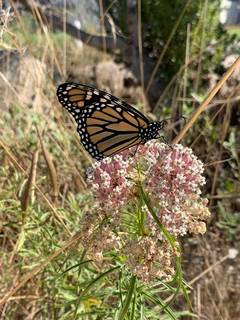
Grown in woodland gardens, native plant gardens, and shaded borders at 12–18 inch (30–45 cm) spacing. Used in butterfly and pollinator plantings as a monarch larval host. Suited to dry shade where many milkweeds will not grow, though it does not form the dense stands of full-sun species.How to Identify
Appearance
Size & Dimensions
Height1' - 1'8"
Width/Spread6" - 1'
Bloom Information
Detailed Descriptions
Flower Description
Pale pink to whiteFoliage Description
Medium to bright greenGrowing Conditions
Sun Requirements
Requires 3-6 hours of direct sunlight daily
• Full Sun: 6+ hours of direct sunlight
• Partial Shade: 3-6 hours of direct sunlight
• Full Shade: Less than 3 hours of direct sunlight
Care & Maintenance
Care Guide
Grows in partial shade to dappled light in dry, well-drained soils, including rocky and sandy types. Water during the first season to establish; established plants tolerate dry conditions and need little supplemental water. The slender rhizome is sensitive to root disturbance, and the plant re-establishes slowly after transplanting. Milkweed leaf beetles and aphids may feed on the foliage. All parts contain cardiac glycosides and milky sap that are toxic if ingested by people or animals. Caterpillars of the monarch butterfly feed on the leaves.Pruning
Cut dead stems to the ground in late fall or early spring. Deadheading is not necessary, and leaving pods allows seed dispersal. Pods can be removed before they split if self-seeding is not wanted. No other pruning is required.Pruning Schedule
Prune: March & November
fallearly spring