Asclepias, Genus, viridis, Species,
- Genus & species
green antelopehorns
Overview
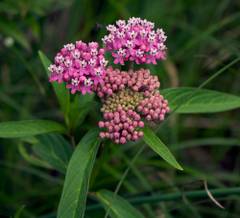
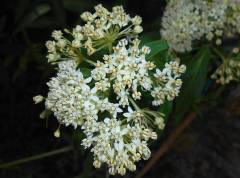
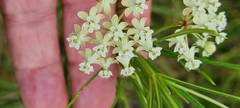
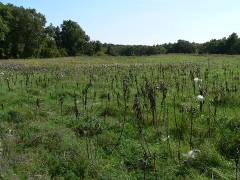
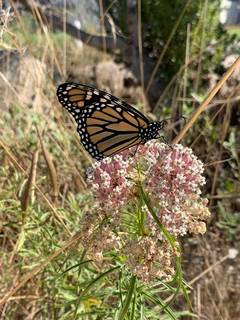
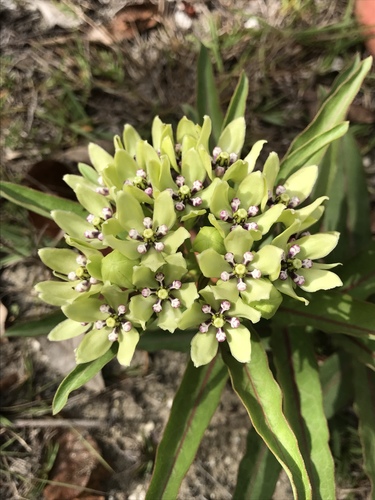
Asclepias viridis is an herbaceous perennial milkweed in the dogbane family, growing 12–24 inches (30–60 cm) tall with sprawling to upright, often unbranched stems rising from a deep rootstock. The thick, oval to lance-shaped leaves are 2–6 inches (5–15 cm) long, alternate or nearly opposite, with wavy margins and a pale midrib. From April to June it bears domed clusters 2–4 inches (5–10 cm) wide of 10–25 greenish flowers, each with five spreading green petals and a central crown of purplish hoods. The blooms give way to horn-shaped seed pods 3–5 inches (8–13 cm) long that split to release silky-tufted seeds. As a milkweed it carries toxic cardiac glycosides in its milky sap and serves as a larval host for monarch butterflies. It grows in prairies, pastures, roadsides, and open ground on dry, often poor soils. The plant dies back to the rootstock each winter and resprouts in spring.
Native Range
Native to the south-central United States, centered on Texas and Oklahoma and ranging east to the Carolinas and north to Kansas and Ohio. It grows in prairies, grazed pastures, glades, and roadsides on dry, well-drained soils.Suggested Uses
Used in prairie restorations, native plant and pollinator gardens, and dry meadow plantings. Suited to poor, dry soils where it supports monarch and other butterfly larvae. Grown as a nectar source and host plant in butterfly gardens.How to Identify
Appearance
Size & Dimensions
Height1' - 2'
Width/Spread1' - 2'
Bloom Information
Detailed Descriptions
Flower Description
green with purple hoodsFoliage Description
blue-greenGrowing Conditions
Sun Requirements
Requires 6-10 hours of direct sunlight daily
• Full Sun: 6+ hours of direct sunlight
• Partial Shade: 3-6 hours of direct sunlight
• Full Shade: Less than 3 hours of direct sunlight
Care & Maintenance
Care Guide
Grows in full sun on dry, well-drained soils with a pH of 6.0–7.5, including poor, rocky, and clay ground. It tolerates drought and grazing once its deep root system is set and does not tolerate wet or rich soil. No feeding is needed. The deep taproot makes established plants hard to move, so they are grown from seed sown in autumn where they are to stay. Hardy in USDA zones 5 to 9. The sap can irritate skin and eyes on contact.Pruning
No routine pruning is needed. Spent pods are removed before they split to limit self-sowing, or left to feed seed-eating wildlife. Stems are cut to the ground after they die back in autumn.Pruning Schedule
Prune: November
fall