Monarda, Genus, citriodora, Species,
- Genus & species
lemon beebalm
South-central and southwestern North America
SunFull Sun – Part Shade
Overview
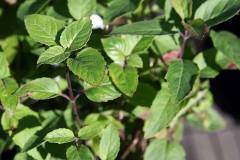
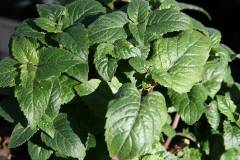
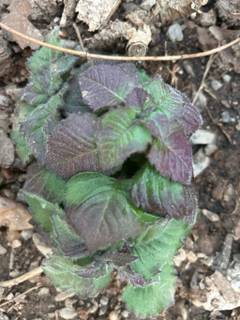
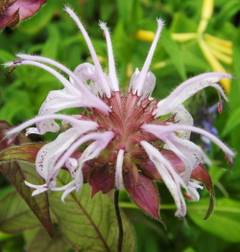
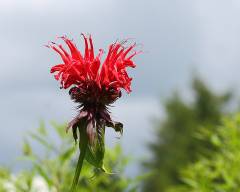
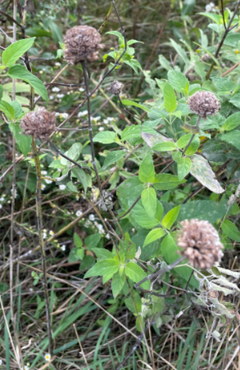
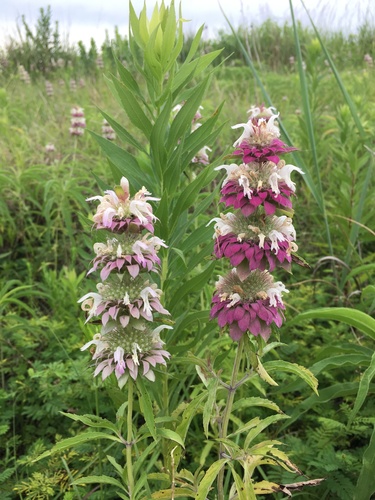
Monarda citriodora is an annual to short-lived perennial herb of the mint family, growing 1-3 feet (30-90 cm) tall and 8-12 inches (20-30 cm) wide on square, branching stems. The narrow, lance-shaped leaves are 1-3 inches (2.5-7.5 cm) long and release a lemon scent when crushed. From late spring into summer the stems carry several stacked whorls of tubular flowers in pink, lavender, or white, each whorl set off by a ring of pink-tinged bracts, giving the flower spike a tiered, pagoda-like outline. Individual flowers are 0.5-1 inch (1.3-2.5 cm) long and draw bees, butterflies, and hummingbirds. The plant grows quickly from seed, often blooming the first year, and self-sows where conditions suit it. It tolerates heat, drought, and poor soil but is prone to powdery mildew in humid, crowded plantings with poor air movement. After flowering the plants set seed and decline, persisting mainly through reseeding rather than long-lived crowns.
Native Range
Native to the south-central and southwestern United States and northern Mexico, from Kansas and Missouri south to Texas and west to Arizona. It grows in prairies, open woodlands, glades, and disturbed ground on well-drained soils.Suggested Uses
Grown in pollinator and wildflower gardens, prairie plantings, and mixed borders, spaced 10-12 inches (25-30 cm) apart. The lemon-scented foliage is also used fresh or dried in teas and potpourri.How to Identify
Appearance
Size & Dimensions
Height1' - 3'
Width/Spread8" - 1'
Bloom Information
Detailed Descriptions
Flower Description
pink to lavenderFoliage Description
greenGrowing Conditions
Sun Requirements
Requires 6-10 hours of direct sunlight daily
• Full Sun: 6+ hours of direct sunlight
• Partial Shade: 3-6 hours of direct sunlight
• Full Shade: Less than 3 hours of direct sunlight
Water & Climate
Water Needs
Drought Tolerance
Drought tolerant when established
Care & Maintenance
Care Guide
Grows in full sun to light shade on well-drained soil of low to moderate fertility, at a pH of 6.0-7.5. It tolerates heat, drought, and poor or rocky ground once established and needs little water. Good air circulation and adequate spacing reduce powdery mildew, which is common in humid, crowded sites. It is grown from seed sown in fall or spring and often flowers in its first year. Overly rich soil produces lax growth and fewer flowers. Plants self-sow, so a few seed heads left standing carry the planting from year to year.Pruning
Cut spent flower spikes back after bloom to tidy the plant and encourage a second, lighter flush. Leave some seed heads in late summer where self-sowing is wanted, since plants are short-lived. Remove mildew-affected stems to limit spread.Container Growing
Suitable for container growing
Minimum container size: 2 gallons
Toxicity
Non-toxicPlanting Guide
Planting Methods & Timing
Planting Method
direct sow
Direct Sow Timing
fall or early spring
Days to Maturity
80–120 days
Plant Spacing
10 inches