Image 1 of 5
1 / 5
No machine-readable author provided. Bjwebb assumed (based on copyright claims)., no rights reserved (CC0) · Wikimedia Commons
Citrus, Genus, ×, Hybrid, floridana, Species,
- Genus & species
- Hybrid
limequat
Horticultural hybrid (USDA, Florida 1909)
Overview
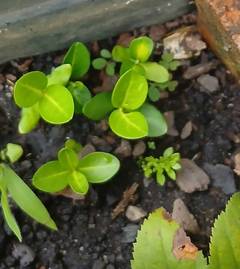
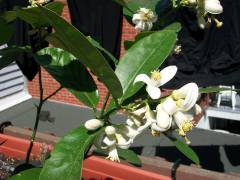
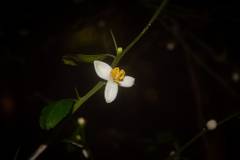
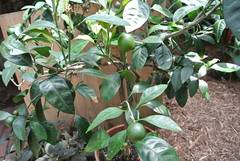
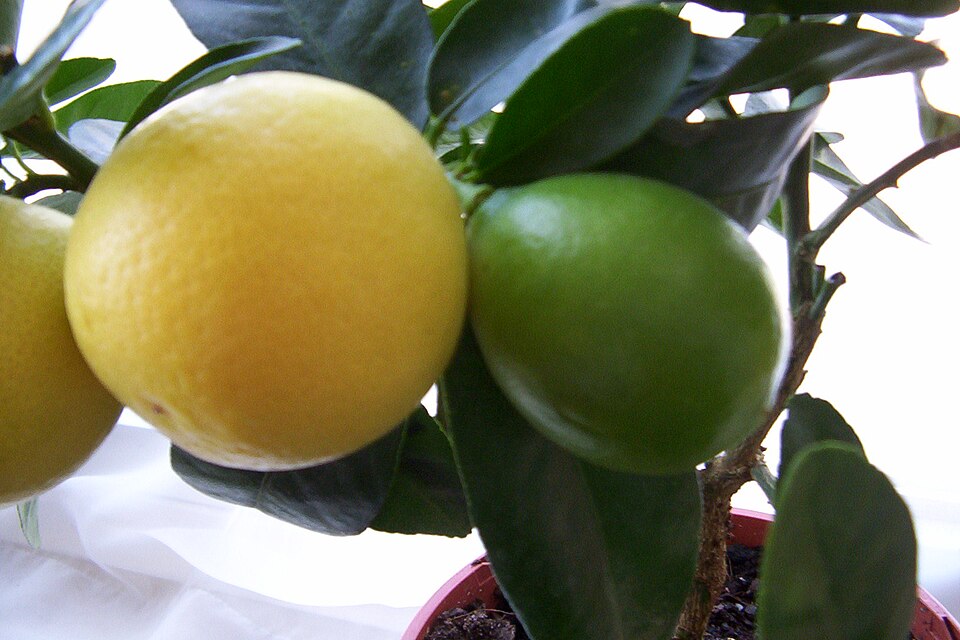
Citrus × floridana is a hybrid evergreen citrus tree reaching 8-15 ft (2.4-4.5 m) tall and 6-10 ft (1.8-3 m) wide with a dense rounded canopy and short thorns on young growth. Glossy dark green oval-elliptic leaves 2-3 inches (5-8 cm) long with a citrus aroma when crushed; foliage is intermediate between C. japonica and C. aurantiifolia parents. White fragrant flowers 0.5-0.75 inch (12-19 mm) across with five petals open in spring through summer in flushes following rainfall or irrigation. Fruit is an oblong yellow-green berry 1-2 inches (2.5-5 cm) long with a sweet-tart edible rind and acidic juicy flesh containing 5-10 seeds — used as a lime substitute in cooking and beverages. A USDA hybrid created in 1909 in Eustis, Florida, from a cross of C. japonica (kumquat) × C. aurantiifolia (Mexican lime); three named cultivars exist ('Eustis', 'Lakeland', and 'Tavares'). More cold-hardy than true lime — tolerates brief temperatures to 20°F (−7°C); defoliation occurs at 15°F (−9°C) versus death of C. aurantiifolia below 28°F (−2°C). Self-fertile; bears 2-3 crops per year in subtropical climates. Begins bearing 2-3 years from grafted planting; productive lifespan 30-50 years. Suited to container culture in 10-15 gallon (38-57 liter) pots.
Native Range
C. × floridana is a horticultural hybrid created in 1909 by Walter T. Swingle at the USDA Subtropical Garden in Eustis, Florida. The parent species C. japonica is native to southern China and C. aurantiifolia to Southeast Asia. The hybrid does not occur in the wild.Suggested Uses
Grown as a single dooryard fruit tree in zones 8b-11, spaced 8-12 ft (2.4-3.6 m) from buildings and walks because thorns occur on young growth. Suited to container culture in 10-15 gallon (38-57 liter) pots with indoor winter protection in zones 4-8a; sunny window or supplemental grow-light placement is required indoors. Used as a substitute for true lime in colder climates where C. aurantiifolia cannot survive winter outdoors.How to Identify
Appearance
Size & Dimensions
Height8' - 15'
Width/Spread6' - 10'
Bloom Information
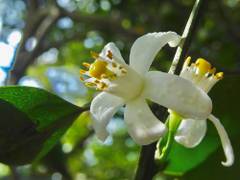
White fragrant flowers in 1-3 sequential flushes from April through July in zones 9-10, often coinciding with irrigation or rainfall pulses. Each flush lasts 7-14 days; total bloom across all flushes extends 8-12 weeks. Fruit develops 7-10 months after flowering, with the main crop ripening November through February. Self-fertile — bee visitation raises set.
Detailed Descriptions
Flower Description
White, fragrantFoliage Description
Glossy dark green, oval-elliptic, citrus-aromaticGrowing Conditions
Sun Requirements
Requires 6-10 hours of direct sunlight daily
• Full Sun: 6+ hours of direct sunlight
• Partial Shade: 3-6 hours of direct sunlight
• Full Shade: Less than 3 hours of direct sunlight
Care & Maintenance
Care Guide
Full sun (6+ hours) for full crop production; tolerates light afternoon shade with reduced yield. Soil pH 5.5-6.5 in well-drained loam, sandy loam, or amended container mix. Citrus require consistent moisture during fruit development; established trees withstand short dry periods of 2-3 weeks. Citrus leafminer (Phyllocnistis citrella), citrus whitefly, and Asian citrus psyllid (Diaphorina citri — vector of huanglongbing) are regional pest pressures; HLB is regulated in citrus-growing US states. More cold-hardy than true lime: tolerates brief 20°F (−7°C); defoliation at 15°F (−9°C). Hardiness zones 8b-11 in ground; container culture with indoor winter protection extends usable range to zone 6.Pruning
Light pruning in spring after main harvest removes dead, crossing, or damaged wood. The natural rounded canopy requires no shaping. Tip-pinching after each fruiting flush encourages branching and a compact form for container specimens. Citrus tolerate hard renewal pruning of overgrown plants but lose 1-2 years of fruit production after severe cutbacks.Pruning Schedule
Prune: February–March
early spring
Container Growing
Suitable for container growing
Minimum container size: 10 gallons