Citrus, Genus, reticulata, Species,
- Genus & species
Mandarin orange
Southern China and northeastern India
Overview
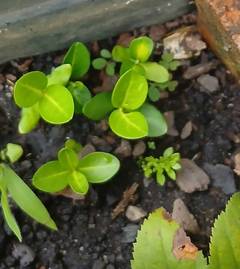
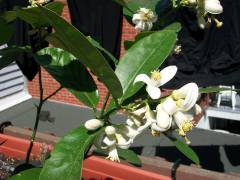
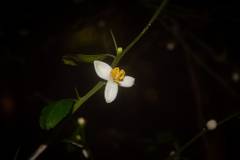
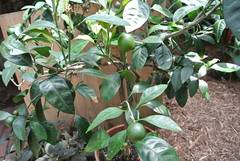
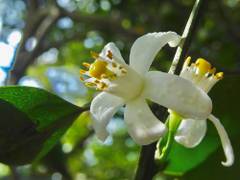
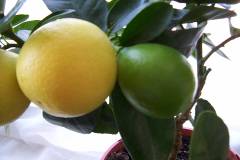
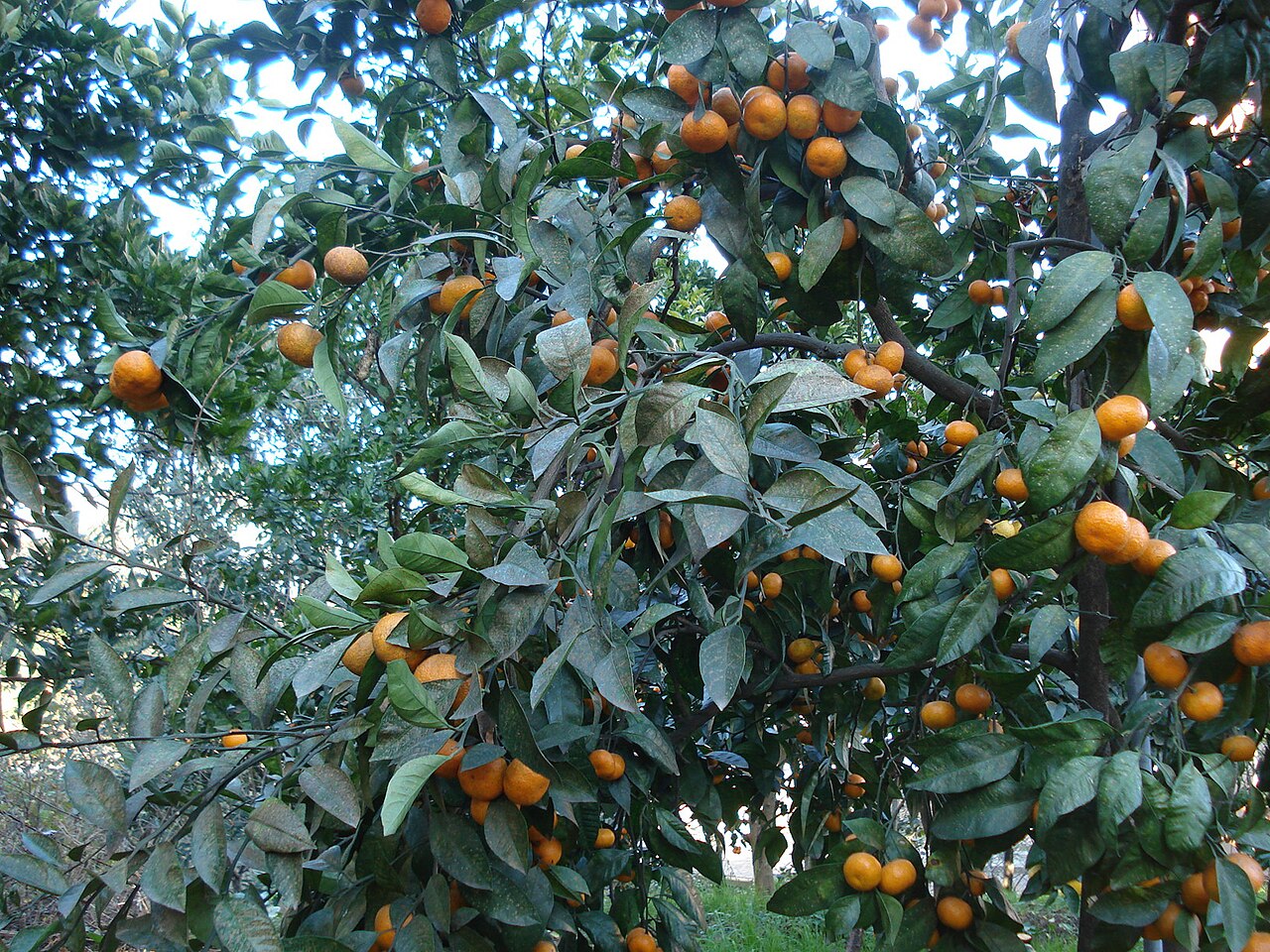
Citrus reticulata is an evergreen tree reaching 12-25 feet (3.7-7.5 m) tall and 10-15 feet (3-4.5 m) wide, with slender twigs, a rounded crown, and short axillary spines on juvenile growth. Leaves are unifoliolate, 1.5-4 inches (4-10 cm) long, lance-shaped to elliptic, glossy dark green, on petioles that are unwinged or narrowly winged, and carry oil glands that release scent when the blade is crushed. White flowers 0.6-0.8 inch (1.5-2 cm) across open singly or in small axillary clusters, mainly in spring with lighter secondary flushes. Fruit is a hesperidium 1.5-3 inches (4-8 cm) in diameter, oblate with a depressed apex, orange to red-orange, with a rind 0.06-0.12 inch (1.5-3 mm) thick that separates readily from 8-14 segments; seed number ranges from 0 to 20 with cultivar and cross-pollination. Fruit ripens 7-10 months after bloom, between October and March in the northern hemisphere. Trees begin bearing in the third to fifth year and remain productive 30-50 years. Foliage and wood are damaged at 26-28F (-3 to -2C) and fruit freezes at 28F (-2C), which restricts outdoor cultivation to zones 9-11. Huanglongbing, citrus canker, and citrus leafminer occur through much of the growing range.
Native Range
Native to southern China and northeastern India, with the main domestication centre in the Nanling range across Guangdong, Guangxi, and Hunan. Wild relatives grow in evergreen broadleaf forest and forest margins below 5,000 feet (1,500 m). Cultivation spread through Southeast Asia and Japan before reaching Europe in the early nineteenth century.Suggested Uses
Planted in home gardens and commercial groves at 12-20 foot (3.7-6 m) spacing in zones 9-11. Size-controlling rootstocks such as Flying Dragon hold trees to 6-8 feet (1.8-2.4 m), a scale that suits containers of at least 15 gallons (57 L) which can be moved to a frost-free space over winter. Cold sensitivity below 28F (-2C) rules out year-round outdoor planting in zones 8 and colder, and container plants need repotting every 3-4 years as roots fill the volume.How to Identify
Appearance
Size & Dimensions
Height12' - 25'
Width/Spread10' - 15'
Bloom Information
Main bloom runs March to May in zones 9-11, following a cool or dry rest period. Individual flowers last 2-4 days and the main flush finishes within 3-4 weeks. Plants under glass may flower two or three times a year, with off-season flushes carrying fruit that ripens unevenly. Bloom is delayed 2-3 weeks in coastal areas where spring temperatures stay below 60F (16C).
Detailed Descriptions
Foliage Description
glossy dark greenGrowing Conditions
Sun Requirements
Requires 8-12 hours of direct sunlight daily
• Full Sun: 6+ hours of direct sunlight
• Partial Shade: 3-6 hours of direct sunlight
• Full Shade: Less than 3 hours of direct sunlight
Care & Maintenance
Care Guide
Water to wet the top 18-24 inches (45-60 cm) of soil every 7-14 days through the growing season, allowing the surface 2 inches (5 cm) to dry between applications. Nitrogen is applied at 0.5-1 pound (225-450 g) actual N per mature tree per year in three splits between February and June, with chelated iron, zinc, and manganese where yellowing between the leaf veins appears on alkaline soils. Loss of 60-80 percent of set flowers in the 6 weeks after bloom is normal. Phytophthora root and foot rot develops where irrigation water contacts the trunk or where soil stays saturated, and scale insects and citrus leafminer build up on soft summer growth. Trees in zones 8 and colder are grown in containers and moved under cover when night temperatures approach 32F (0C). Fruit held on the tree past ripeness loses acidity and develops a coarse, dry rind.Pruning
Pruning is limited to removal of dead wood, water sprouts, and shoots below the graft union, carried out after harvest and before the spring flush. Skirting the lower canopy to 12-24 inches (30-60 cm) above ground reduces contact between fruit and soil-borne fungi. Heading back to control size removes fruiting wood and reduces the following crop by 30-50 percent. Unpruned trees develop dense interior shade where fruit set falls and scale populations increase.Pruning Schedule
Prune: March–April
early spring
Container Growing
Suitable for container growing
Minimum container size: 15 gallons