Citrus, Genus, limon, Species, 'Ponderosa', Cultivar,
- Genus & species
- Cultivar
Ponderosa lemon
Believed to be a citron × lemon hybrid; originated as a chance seedling in Hagerstown, Maryland, 1880s
Overview
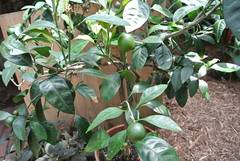
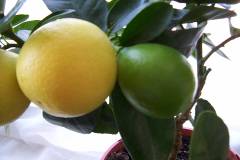
Citrus limon 'Ponderosa' (likely a C. limon × C. medica hybrid) is a large-fruited lemon, growing 48–120 inches (120–300 cm) tall. Fruit 4–6 inches (10–15 cm) in diameter and up to 5 pounds (2.3 kg) per fruit — substantially larger than standard lemons at 2–3 inches (5–7 cm) and 3–5 ounces (85–140 g). The thick rind accounts for a significant portion of the fruit weight; the juice content per fruit is lower relative to the total weight compared to standard lemons. True lemon acidity and flavor despite the large size. Thorny branches — thorns 0.5–1 inch (12–25 mm). Originated as a chance seedling in Hagerstown, Maryland, in the 1880s — believed to be a natural hybrid of lemon (C. limon) and citron (C. medica), with the large fruit size inherited from the citron parent. Fragrant white to purple-tinged flowers 1.5–2 inches (4–5 cm) — larger than standard lemon flowers. Self-fertile. The heavy individual fruit weight can break branches — support loaded branches or thin fruit to 1–2 per branch. Frost-tender: foliage damage at 32°F (0°C). Container culture with indoor winter storage in zones below 9. Full sun (6+ hours). Slightly acidic soil (pH 5.5–6.5). Non-toxic — fruit is edible. Sap causes phytophotodermatitis. Scale insects and spider mites. Growth rate is moderate. Containers of 10–15 gallons (40–60 liters).
Native Range
Originated as a chance seedling in Hagerstown, Maryland, in the 1880s. Believed to be a natural hybrid of C. limon (lemon) and C. medica (citron).Suggested Uses
Grown in containers of 10–15 gallons (40–60 liters) in full sun, moved indoors in cold months in zones below 9. In the ground in zones 9–11. Self-fertile. Thorny. Non-toxic edible fruit with thick rind.How to Identify
Appearance
Size & Dimensions
Height4' - 10'
Width/Spread3' - 6'
Bloom Information
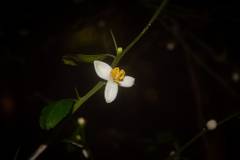
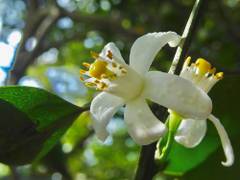
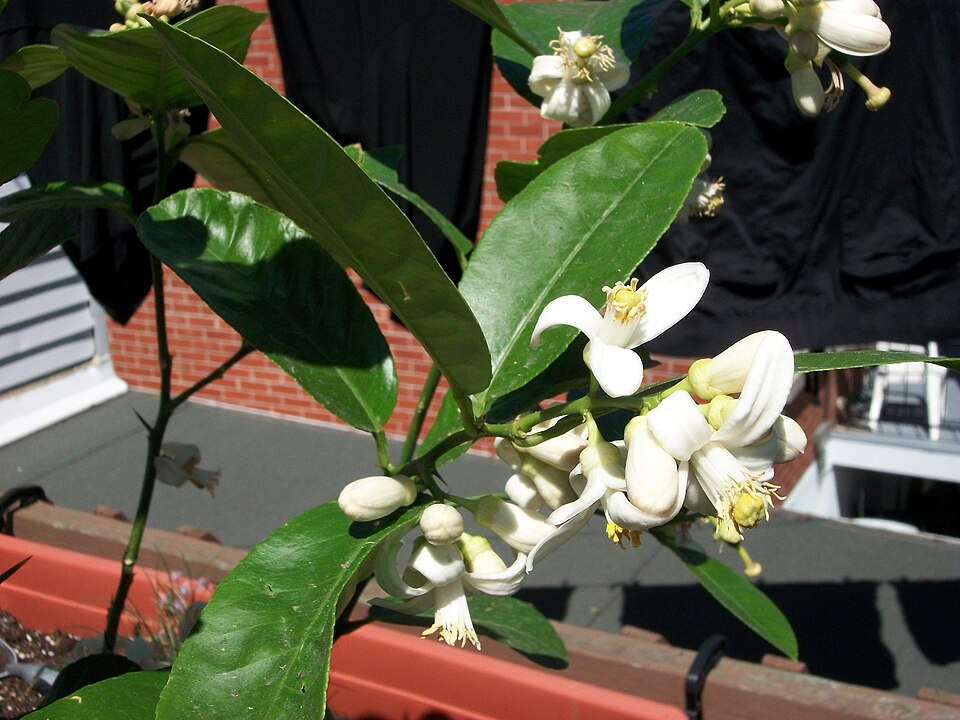
Fragrant white to purple-tinged flowers in spring and sporadically year-round. Self-fertile. Fruit takes 6–9 months to ripen. The heavy fruit can break branches — thin or support.
Detailed Descriptions
Flower Description
White to purple-tinged, fragrantFoliage Description
Dark green, glossy, largeGrowing Conditions
Sun Requirements
Requires 6-10 hours of direct sunlight daily
• Full Sun: 6+ hours of direct sunlight
• Partial Shade: 3-6 hours of direct sunlight
• Full Shade: Less than 3 hours of direct sunlight
Care & Maintenance
Care Guide
Full sun (6+ hours). Slightly acidic soil pH 5.5–6.5. Frost-tender at 32°F (0°C) — indoor winter storage in zones below 9. Self-fertile. Heavy fruit breaks branches — thin to 1–2 per branch or support. Thorny. Sap causes phytophotodermatitis. Non-toxic fruit. Scale and spider mites.Pruning
Prune for shape in early spring. Remove dead or crossing branches. Thin fruit to 1–2 per branch to prevent breakage from the heavy weight. The thorny branches require gloves when pruning.Pruning Schedule
Prune: March–April
spring
Container Growing
Suitable for container growing
Minimum container size: 10 gallons