Citrus, Genus, unshiu, Species,
- Genus & species
Satsuma mandarin
Overview
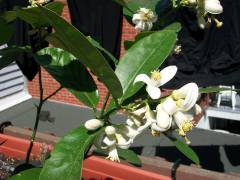
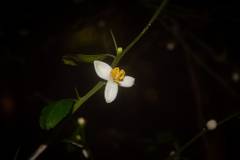
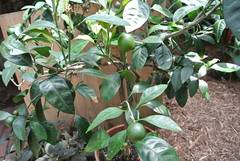
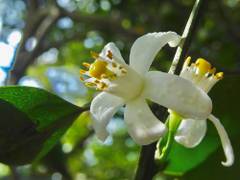
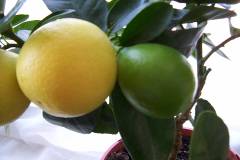
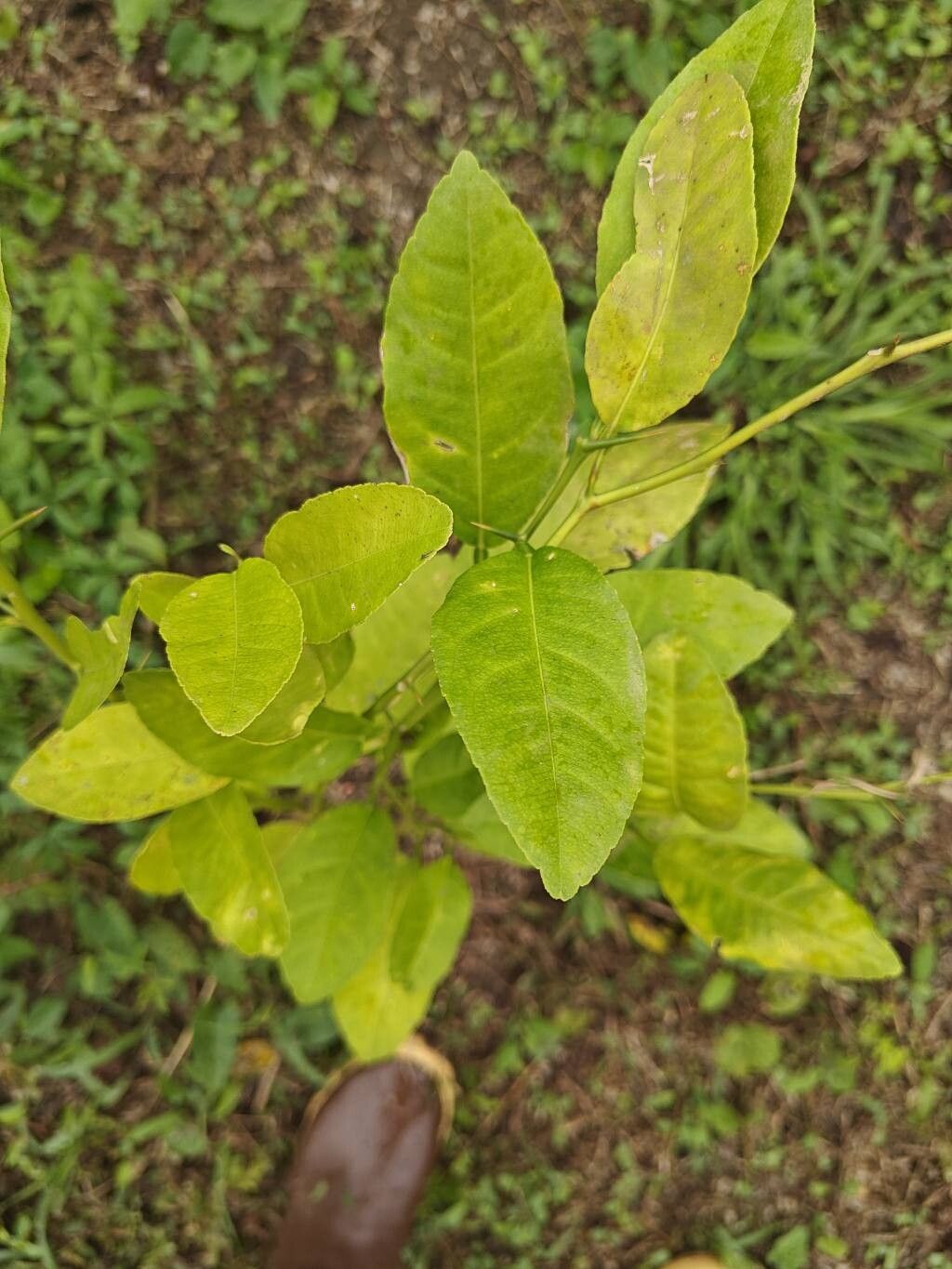
Citrus unshiu is an evergreen shrub or small tree reaching 6-12 feet (1.8-3.7 m) tall and 6-10 feet (1.8-3 m) wide, with a rounded crown and outer branches that arch downward. Stems carry few or no thorns, unlike most cultivated citrus. Leaves are alternate, simple, lanceolate to elliptic, 2.5-4 inches (6-10 cm) long, leathery and dark green above, borne on petioles with wings under 0.1 inch (2 mm) wide. White five-petalled flowers 0.8-1.2 inches (2-3 cm) across open singly or in clusters of two to five during April and May and carry a strong orange-blossom scent. Fruit is oblate, 2-3 inches (5-7.5 cm) across and 2.5-5 ounces (70-140 g) in weight, with a thin orange rind that lifts away from the flesh at maturity; the 10 to 12 segments hold no seeds in most fruit because fruit sets without pollination. Fruit colours and ripens from October through December. Trees grafted on trifoliate rootstock carry a first crop in year 3-4 and reach full production at 8-10 years. Crop size alternates between seasons, a heavy year followed by a light one. The rind separates from the segments and turns hollow if fruit stays on the tree more than 3-4 weeks past colour break, and picked fruit holds 2-4 weeks at 40-45F (4-7C).
Native Range
Citrus unshiu has been cultivated in southern Japan since at least the 16th century, centred on the former Satsuma province of southern Kyushu, and its ancestral seedlings trace to the Zhejiang region of eastern China. No wild population is documented; the species is known from cultivation and from orchard escapes. Production now centres on Japan, southern China, South Korea, Spain, Turkey, and the Gulf Coast of the southern United States.Suggested Uses
Grown as a dooryard fruit tree in zones 8b-10 at 12-15 foot (3.7-4.6 m) spacing and in commercial orchards at 10-20 feet (3-6 m) between trees. Container culture uses pots of 15 gallons (57 L) or larger, moved under cover below 25F (-4C), where trees hold at 4-6 feet (1.2-1.8 m) rather than full ground height. Also grown as a clipped evergreen screen in mild-winter coastal gardens, though fruit set falls sharply below 6 hours of direct sun.How to Identify
Appearance
Size & Dimensions
Height6' - 12'
Width/Spread6' - 10'
Bloom Information
Flowers open across April and May in zones 9-10, and from May into early June in zone 8. Bloom on one tree lasts 2-3 weeks, with most flowers opening inside a 7-10 day window. Fruit sets without pollination, so a second tree and insect activity are not required for a crop. Four to six weeks below 50F (10C) in winter precede consistent flower bud formation; in frost-free tropical sites bloom scatters through the year and crops run irregular.
Detailed Descriptions
Foliage Description
dark greenGrowing Conditions
Sun Requirements
Requires 6-10 hours of direct sunlight daily
• Full Sun: 6+ hours of direct sunlight
• Partial Shade: 3-6 hours of direct sunlight
• Full Shade: Less than 3 hours of direct sunlight
Care & Maintenance
Care Guide
Trees establish over 1-2 years and take 1-1.5 inches (25-38 mm) of water weekly across that period, applied over the outer root zone rather than at the trunk. Established trees in the ground go 2-3 weeks between irrigations, though fruit size drops 20-30% under sustained drought through the June to August sizing period. Nitrogen goes on in two or three split doses between February and June; applications after June delay rind colouring and soften the fruit. Roots decline in waterlogged soil, and Phytophthora foot rot develops where soil or mulch sits against the graft union. Citrus leafminer tunnels the new flush from June through September and curls the leaves without measurable yield loss on mature trees, while armoured scale and citrus red mite build up in hot dry conditions. Dormant trees tolerate brief drops to 15-18F (-9 to -8C), lower than most cultivated citrus, though fruit on the tree freezes at 26-28F (-3 to -2C).Pruning
Pruning falls after harvest and before bloom, from February to early April in zones 8-9. Cuts are limited to dead wood, crossing branches, and shoots below the graft union, since flowers form on the previous season growth and heading cuts remove the coming crop. Lifting the lowest branches to 18-24 inches (45-60 cm) above soil level keeps fruit clear of the ground and reduces brown rot splash. Unpruned trees develop dense interior shade, and interior fruit sizes 15-25% smaller than fruit on the canopy exterior.Pruning Schedule
Prune: February–April
early spring
Container Growing
Suitable for container growing
Minimum container size: 15 gallons