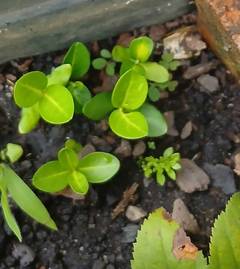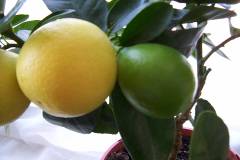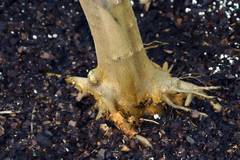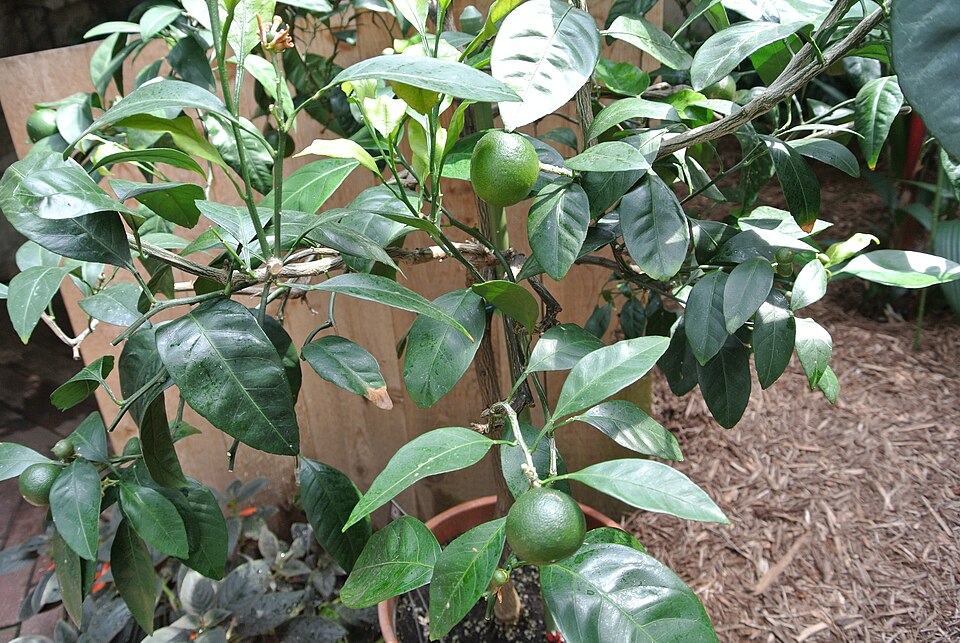
Citrus, Genus, unshiu, Species, 'Owari', Cultivar,
- Genus & species
- Cultivar
Owari satsuma mandarin
Japan (Owari province, now Aichi Prefecture); C. unshiu originated in China
Overview
Citrus unshiu 'Owari' is a satsuma mandarin, growing 48–120 inches (120–300 cm) tall and 48–96 inches (120–240 cm) wide — smaller than most citrus species. Seedless easy-peel orange fruit 2–3 inches (5–7 cm) with sweet, mild, low-acid flesh. The most cold-hardy commonly cultivated citrus: foliage tolerates 15°F (−9°C) on trifoliate orange rootstock (Poncirus trifoliata), compared to 28°F (−2°C) for most other citrus. The cold hardiness extends the growing range into zone 8 (Gulf Coast, coastal Carolinas). Named after the Owari province (now Aichi Prefecture) of Japan. Self-fertile (seedless). Fragrant white flowers 0.75 inch (18 mm) in spring. Fruit ripens in fall to early winter (October–December) — earlier than most other citrus, which ripen in mid-winter to spring. The rind separates from the flesh easily (loose-skinned / easy-peel). Dark green glossy ovate evergreen foliage. Slightly acidic soil (pH 5.5–6.5). Citrus leafminer, scale, and Asian citrus psyllid. Sap causes phytophotodermatitis. Non-toxic — fruit is edible. Containers of 7–10 gallons (28–40 liters). Growth rate is moderate. Zones 8–11.
Native Range
The species C. unshiu originated in China and was cultivated in Japan for centuries. 'Owari' is named after the Owari province (now Aichi Prefecture) of Japan.Suggested Uses
Grown in the ground in zones 8–11 (the cold hardiness extends citrus range into zone 8) or in containers of 7–10 gallons (28–40 liters). Full sun. Self-fertile seedless. The compact size suits small gardens and containers. Non-toxic edible fruit.How to Identify
Appearance
Size & Dimensions
Height4' - 10'
Width/Spread4' - 8'
Bloom Information
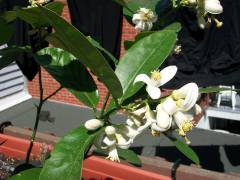
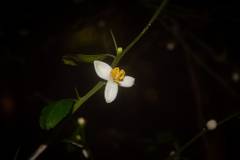
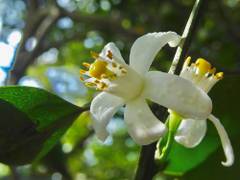
Fragrant white flowers in spring (March–April). Self-fertile (seedless). Fruit ripens early — fall to early winter (October–December), before most other citrus.
Detailed Descriptions
Flower Description
White, fragrantFoliage Description
Dark green, glossy, ovateGrowing Conditions
Sun Requirements
Requires 6-10 hours of direct sunlight daily
• Full Sun: 6+ hours of direct sunlight
• Partial Shade: 3-6 hours of direct sunlight
• Full Shade: Less than 3 hours of direct sunlight
Care & Maintenance
Care Guide
Full sun (6+ hours). Slightly acidic soil pH 5.5–6.5. The most cold-hardy commercial citrus — foliage to 15°F (−9°C) on trifoliate rootstock. Self-fertile seedless. Ripens early (October–December). Citrus leafminer, scale, Asian citrus psyllid. Sap causes phytophotodermatitis. Non-toxic. Zones 8–11.Pruning
Minimal pruning needed — the compact form is self-maintaining. Remove dead, crossing, or inward-growing branches. Remove suckers below the graft union.Pruning Schedule
Prune: March
spring
Container Growing
Suitable for container growing
Minimum container size: 7 gallons