Citrus, Genus, ×, Hybrid, meyeri, Species,
- Genus & species
- Hybrid
Meyer lemon
China (the species is a natural hybrid of {Citrus × limon} (lemon) and {C. reticulata} (mandarin orange) that originated in southwestern China and was traditionally grown in Chinese household gardens). The species was introduced to the United States in 1908 by USDA agricultural explorer Frank Meyer.
Overview
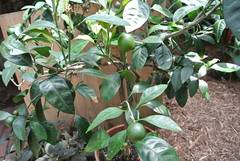
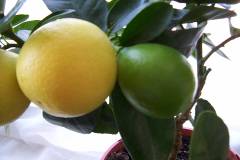
Citrus × meyeri is the Meyer lemon (also called improved dwarf Meyer lemon), an evergreen citrus tree in the rue family (Rutaceae) growing 3-6 feet (90-180 cm) tall and 2-4 feet (60-120 cm) wide in container culture, and reaching slightly larger dimensions in outdoor cultivation across the species' subtropical hardy range. The species is a natural hybrid of Citrus × limon (lemon) and C. reticulata (mandarin orange) that originated in southwestern China and was traditionally grown in Chinese household gardens before being introduced to the United States in 1908 by USDA agricultural explorer Frank Meyer, who collected the species during a botanical expedition to China and brought specimens back for evaluation in the U.S. citrus industry. The 'Improved' designation refers to the virus-free clonal strain developed in the 1970s after the original Meyer introductions were found to harbor citrus tristeza virus that threatened the broader U.S. citrus industry; the Improved Dwarf Meyer Lemon is the standard commercial cultivar today and replaces the original disease-carrying Meyer stock. The species' principal cultivation distinction is the fruit character: the fruits are rounder, thinner-skinned, sweeter, and less acidic than standard Citrus × limon lemons, with a deep golden-orange skin color when fully ripe rather than the bright yellow of standard lemons; the chef-favored sweeter-and-less-acidic fruit profile reflects the mandarin parent contribution to the hybrid cross. The flower production is the species' second principal cultivation feature: white to pale purple-tinged flowers in small clusters of 2-5 flowers carried at the leaf axils produce the sweet citrus-blossom fragrance that is shared across the Citrus genus and is especially intense in the Meyer lemon hybrid — a single flowering specimen indoors perfumes the room with the recognizable scent. The species can flower nearly year-round under sufficient light and warm temperatures, with heavy spring flowering supplemented by secondary flowering at other times of year, and the simultaneous-stage fruiting cycle (open flowers, developing green fruit, and ripe golden-orange fruit on the same plant at the same time) is one of the species' more memorable cultivation features. Indoor fruit production requires bright direct light (6+ hours of direct sun or supplemental high-intensity grow lights) because citrus species require high cumulative light intensity for fruit development, and indoor specimens benefit from hand-pollination using a small soft paintbrush to transfer pollen between flowers in the absence of indoor pollinator visitors. Acidic soil at pH 5.5-6.5 is essential for proper iron and trace-mineral uptake — citrus species commonly show iron-chlorosis symptoms (interveinal yellowing of new growth) in alkaline substrate, and a citrus-specific fertilizer with chelated iron and supplemental magnesium and manganese supports the species reliably. Hardy outdoors across zones 9-11 with reliable performance in subtropical climate zones; in cold-climate zones (3-8) the species is grown in 10-gallon (38-liter) or larger containers and overwintered indoors. The species is non-toxic and the fruit is edible and grown commercially as a culinary citrus.
Native Range
Citrus × meyeri is a natural hybrid of Citrus × limon (lemon) and C. reticulata (mandarin orange) that originated in southwestern China and was traditionally grown in Chinese household gardens for several centuries before being collected by USDA agricultural explorer Frank Meyer during his 1908 expedition to China. The species was introduced to the U.S. citrus industry in 1908 and has been continuously cultivated in California, Texas, Florida, and other warm-climate regions of the United States as a culinary citrus, with the Improved Dwarf Meyer Lemon (the virus-free clonal strain developed in the 1970s) replacing the original Meyer introductions as the standard commercial cultivar. The species has been further introduced to comparable subtropical climate regions worldwide including the Mediterranean basin, southern Australia, central Chile, and southern Africa where the species is grown both for commercial fruit production and as an ornamental container citrus.Suggested Uses
Used as a container-cultivated culinary citrus for indoor and outdoor positions in cold-climate gardens, as a specimen citrus tree in zone 9-11 outdoor gardens, and as the standard chef-favored citrus for home cooks who want a continuous supply of the sweeter-and-less-acidic Meyer lemon fruit. The species is the standard container citrus across the broader U.S. and European household-garden traditions and is grown by gardeners interested in container citrus cultivation for the combination of the heavily fragrant flowers, the edible chef-favored fruit, and the year-round evergreen foliage. The strong floral fragrance is the species' principal indoor ornamental contribution beyond the fruit production — gardeners site the species in living rooms, kitchens, sunrooms, or other frequently occupied indoor positions where the floral scent during the active flowering window is enjoyed. The species pairs with companion subtropical container plantings including Olea europaea (olive tree), Punica granatum (pomegranate), Ficus carica (edible fig), Laurus nobilis (bay laurel), and Mediterranean-climate herbs (Rosmarinus officinalis rosemary, Lavandula angustifolia lavender) for a multi-species edible-and-aromatic container garden composition where the Citrus × meyeri combines fragrance, ornamental display, and culinary harvest in a single specimen. Container culture in 10-gallon (38-liter) or larger pots supports indoor-overwintering for cold-climate gardens.How to Identify
Appearance
Size & Dimensions
Height3' - 6'
Width/Spread2' - 4'
Colors
Bloom Information
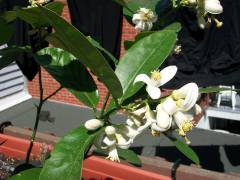
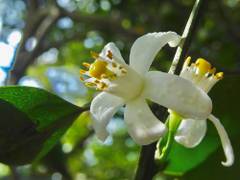
White to pale purple-tinged flowers in small clusters of 2-5 flowers open at the leaf axils heaviest in spring (March through May) across a 6-week active flowering window, with secondary lighter flowering possible at other times of year under sufficient light and warm temperatures. Each flower carries 5 white petals around a central cluster of yellow stamens, and the flowers produce one of the more strongly fragrant scents in commonly cultivated indoor plants — a single flowering specimen perfumes a room with the recognizable sweet citrus-blossom scent. Pollination outdoors is by bees and butterflies; indoor specimens benefit from hand-pollination with a small soft paintbrush transferring pollen between flowers in the absence of indoor pollinator visitors. Fruit takes 6-9 months from flower-pollination to ripening, and the simultaneous-stage fruiting cycle means that mature specimens can carry open flowers, developing green fruit, and ripe golden-orange fruit on the same plant at the same time across the active growing season.
Detailed Descriptions
Flower Description
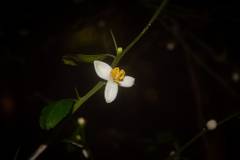
White to pale purple-tinged in small clusters of 2-5 flowers carried at the leaf axils; each flower carries 5 white petals around a central cluster of yellow stamens, and the flowers produce one of the more strongly fragrant scents in commonly cultivated indoor plants — a single flowering specimen perfumes a room with the recognizable sweet citrus-blossom scent that is shared across the broader Citrus genus and is especially intense in the Meyer lemon hybridFoliage Description
Dark green; glossy ovate to elliptical evergreen leaves 2-4 inches (5-10 cm) long with smooth margins, carried on slightly winged petioles in the typical Citrus genus pattern; the foliage is highly aromatic when crushed or bruised, releasing the lemon-citrus volatile oils stored in subepidermal oil glands visible as small translucent dots when held to backlight — the oil-gland chemistry is family-typical for Rutaceae and is shared with other Citrus species and with related Rutaceae generaGrowing Conditions
Sun Requirements
Requires 6-12 hours of direct sunlight daily
• Full Sun: 6+ hours of direct sunlight
• Partial Shade: 3-6 hours of direct sunlight
• Full Shade: Less than 3 hours of direct sunlight
Care & Maintenance
Care Guide
Place in maximum direct light — at least 6 hours of direct sun daily for outdoor specimens, or the brightest available indoor position with supplemental high-intensity LED or fluorescent grow lights for indoor specimens because citrus species require high cumulative light intensity for both vegetative growth and fruit development. Water when the top 1 inch (2.5 cm) of soil dries to the touch — the species performs better with consistent moisture than with extended drought, but waterlogged soil produces root rot in container culture and well-draining substrate is essential. Acidic soil at pH 5.5-6.5 is essential for proper iron and trace-mineral uptake — citrus species commonly show iron-chlorosis symptoms (interveinal yellowing of new growth) in alkaline substrate, and a citrus-specific fertilizer with chelated iron and supplemental magnesium and manganese supports the species reliably. Apply citrus-specific fertilizer at the labeled rate every 4-6 weeks during the active growing season (spring through summer) and at half-strength every 6-8 weeks during winter months. Indoor specimens benefit from hand-pollination using a small soft paintbrush to transfer pollen between flowers — without active pollination indoor plants flower abundantly but produce few fruits. Bring container specimens indoors before the first fall frost in cold-climate zones (3-8) and overwinter in the brightest available indoor position with reduced watering through the winter dormancy period. Hardy outdoors across zones 9-11; in zones 9-10 the species tolerates brief temperature drops to 28°F (-2°C) without serious damage, and a fabric frost cover during cold snaps protects the foliage from damage at lower temperatures. The species is non-toxic and the fruit is edible.Pruning
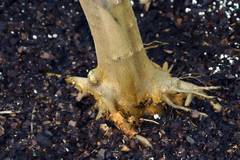
Prune in early spring (March) before the heavy spring flowering and after winter dormancy ends. Pruning is for shape control, removal of crossed or dead branches, thinning of interior canopy to allow light penetration to fruiting wood, and removal of root suckers below the graft union (most commercial Meyer lemon trees are grafted onto rootstock for disease resistance and dwarfing, and root suckers below the graft union develop into the rootstock species rather than the desired Meyer scion). Light pruning of long unbranched shoots encourages branching and a fuller habit. Heavy pruning is generally avoided because the species fruits on previous-season wood and aggressive removal of previous-year growth reduces fruit production.Pruning Schedule
Prune: March
early spring
Container Growing
Suitable for container growing
Minimum container size: 10 gallons