Citrus, Genus, australasica, Species,
- Genus & species
finger lime
Eastern Australia (rainforests of Queensland and New South Wales)
Overview
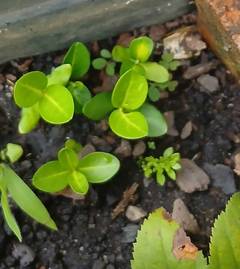
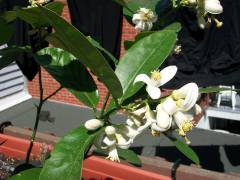
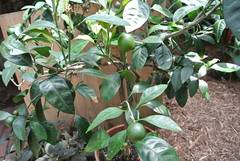
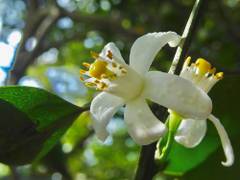
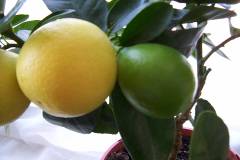
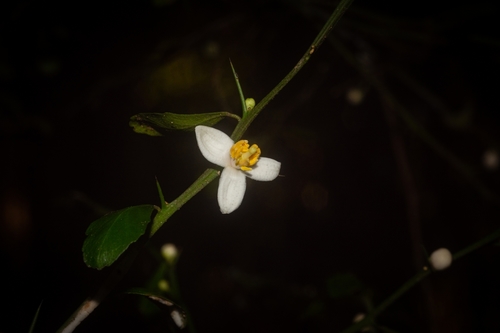
Citrus australasica is the finger lime (caviar lime), growing 48–120 inches (120–300 cm) tall and 36–72 inches (90–180 cm) wide. Elongated cylindrical fruit 2–4 inches (5–10 cm) long and 0.5–0.75 inch (12–18 mm) in diameter — the interior contains individual juice vesicles (globules) that separate when the fruit is cut open and spill out like caviar, giving the common name 'caviar lime.' The juice vesicles burst with a tart citrus flavor when bitten. Fruit skin color ranges from green to pink, red, or purple depending on cultivar; vesicle colors include green, pink, and red. Very small leaves 0.25–0.5 inch (6–12 mm) — smaller than any other cultivated citrus species. Thorny branches with spines 0.5–1 inch (12–25 mm). Small white to pale pink flowers 0.25 inch (6 mm) in spring to summer. Self-fertile. Native to the subtropical rainforests of eastern Australia (Queensland and New South Wales) — the only widely cultivated citrus species native to Australia. Frost-tender: foliage damage below 30°F (−1°C). The thorns make harvesting difficult — gloves are needed. Slow-growing compared to other citrus — 6–12 inches (15–30 cm) per year. Well-draining acidic soil (pH 5.5–6.5). Scale insects and citrus leafminer. Non-toxic — fruit is edible. Containers of 5–10 gallons (20–40 liters). Zones 9–11.
Native Range
Native to the subtropical rainforests of eastern Australia (Queensland and New South Wales). The only widely cultivated citrus species of Australian origin.Suggested Uses
Grown in containers of 5–10 gallons (20–40 liters) in full sun, or in the ground in zones 9–11. Culinary specialty citrus — the caviar-like vesicles are used as a garnish and in cocktails, sushi, and desserts. Thorny. Non-toxic edible fruit.How to Identify
Appearance
Size & Dimensions
Height4' - 10'
Width/Spread3' - 6'
Bloom Information
Detailed Descriptions
Flower Description
White to pale pink, smallFoliage Description
Dark green, very small, 0.25–0.5 inch (6–12 mm)Growing Conditions
Sun Requirements
Requires 6-10 hours of direct sunlight daily
• Full Sun: 6+ hours of direct sunlight
• Partial Shade: 3-6 hours of direct sunlight
• Full Shade: Less than 3 hours of direct sunlight
Care & Maintenance
Care Guide
Full sun to partial shade. Well-draining acidic soil pH 5.5–6.5. Frost-tender below 30°F (−1°C). Self-fertile. Slow-growing (6–12 inches / 15–30 cm per year). Thorny — gloves for harvesting. Scale insects and citrus leafminer. Non-toxic edible fruit. Zones 9–11.Pruning
Prune for shape in early spring. Remove dead or crossing branches. The thorny branches require gloves. The slow growth rate limits size and reduces pruning needs compared to other citrus.Pruning Schedule
Prune: March
spring
Container Growing
Suitable for container growing
Minimum container size: 5 gallons