Citrus, Genus, reticulata, Species, 'Dancy', Cultivar,
- Genus & species
- Cultivar
Dancy tangerine
Selected in Florida (1867); parent species native to subtropical China and northeast India
Overview
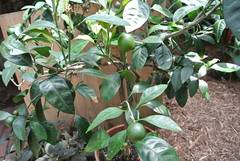
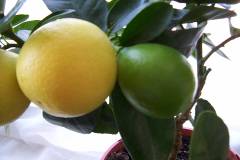
Citrus reticulata 'Dancy' is an American tangerine cultivar — the dominant US tangerine in commercial production from approximately 1900 to 1970 — grown as an evergreen tree reaching 144-216 inches (360-540 cm) tall on standard rootstock and 84-144 inches (210-360 cm) on dwarfing rootstock, with comparable spread. Branches develop few thorns; growth is upright and compact compared to sweet oranges. Leaves are evergreen, lance-shaped, narrower than orange leaves, 2-4 inches (5-10 cm) long, dark green and glossy with a pungent citrus scent when crushed. Fragrant white 5-petalled flowers appear in spring (March to April). Self-fertile, but yields increase with cross-pollination from other tangerines or oranges. Fruit is round to slightly flattened, 2.5-3 inches (6-8 cm), with deep orange-red loose easy-peel skin and deep orange juicy flesh; flavor is aromatic and sweet-tart, typically with 12-20 seeds per fruit. Fruit ripens December through January in Florida and the Gulf Coast. Trees show pronounced alternate bearing — heavy crops one year, light the next — which is the principal limitation that pushed Dancy out of commercial dominance after 1970. Frost-tender — foliage is damaged below 28°F (−2°C); tangerines as a group are slightly more cold-hardy than sweet oranges. Container culture in 15-25 gallon (60-95 liter) pots with indoor winter storage in zones cooler than 9. Citrus greening disease (Huanglongbing, transmitted by the Asian citrus psyllid Diaphorina citri) is regulated in California, Florida, and Texas. Non-toxic — fruit is edible. Zones 9-11.
Native Range
Mandarin orange (C. reticulata) is native to subtropical China and northeast India. The 'Dancy' selection originated in Florida in 1867 from a tree grown by Colonel G. L. Dancy at Buena Vista Plantation. It was the dominant US tangerine cultivar from approximately 1900 to 1970 before being displaced by easier-handling tangerine and tangelo selections.Suggested Uses
Grown in zones 9-11 for fresh fruit; limited commercial planting now, with most new tangerine plantings using easier-peeling and lower-seed selections. Container culture in 15-25 gallon (60-95 liter) pots with indoor winter storage in colder zones.How to Identify
Appearance
Size & Dimensions
Height7' - 18'
Width/Spread5' - 15'
Bloom Information
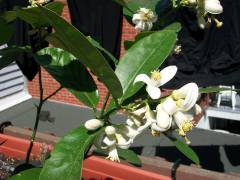
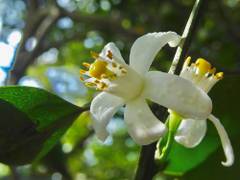
Fragrant white 5-petalled flowers appear in spring (March to April) on second-year wood. Self-fertile, but yields increase with cross-pollination from other tangerines, oranges, or tangelos. Fruit develops over 8-10 months and ripens December through January in Florida and the Gulf Coast.
Detailed Descriptions
Flower Description
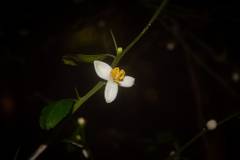
White, 5-petalled, with yellow staminal column, fragrantFoliage Description
Glossy dark green, lance-shaped (narrower than sweet orange), 2-4 inches (5-10 cm) longGrowing Conditions
Sun Requirements
Requires 6-10 hours of direct sunlight daily
• Full Sun: 6+ hours of direct sunlight
• Partial Shade: 3-6 hours of direct sunlight
• Full Shade: Less than 3 hours of direct sunlight
Care & Maintenance
Care Guide
Full sun (6+ hours) for the heaviest fruit set. Soil should be well-drained and slightly acidic to neutral (pH 6.0-7.5); citrus does poorly in heavy clay or waterlogged conditions. Citrus are heavy feeders and respond to applications of a citrus-specific fertilizer with iron and zinc 3-4 times per year during the growing season. Foliage is damaged at 28°F (−2°C); container plants are moved indoors before first frost in zones 8 and colder. Common pests include scale, mealybugs, spider mites, and the Asian citrus psyllid (Diaphorina citri), which transmits Huanglongbing (citrus greening); citrus greening has eliminated commercial citrus across much of Florida and is regulated in all citrus-producing states. Yields fluctuate sharply between heavy and light crop years due to alternate bearing.Pruning
Light shaping pruning is done in late winter or early spring before growth resumes, removing crossing branches, suckers from below the graft union, and dead wood. Heavy crop years can cause limb breakage; selective fruit thinning during early development reduces this risk and reduces the severity of the alternate-bearing cycle. Sucker shoots from the rootstock are removed at any time of year.Container Growing
Suitable for container growing
Minimum container size: 15 gallons