Citrus, Genus, spp., Multiple species,
- Genus
- Multiple species
citrus
Southeast Asia, southern China, northeastern India, and the Malay Archipelago
Overview
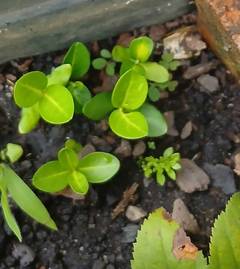
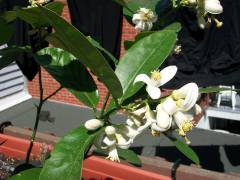
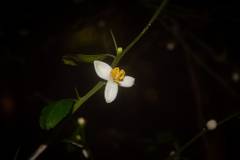
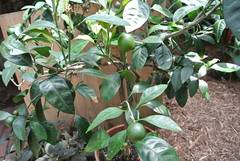
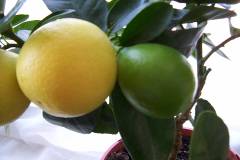
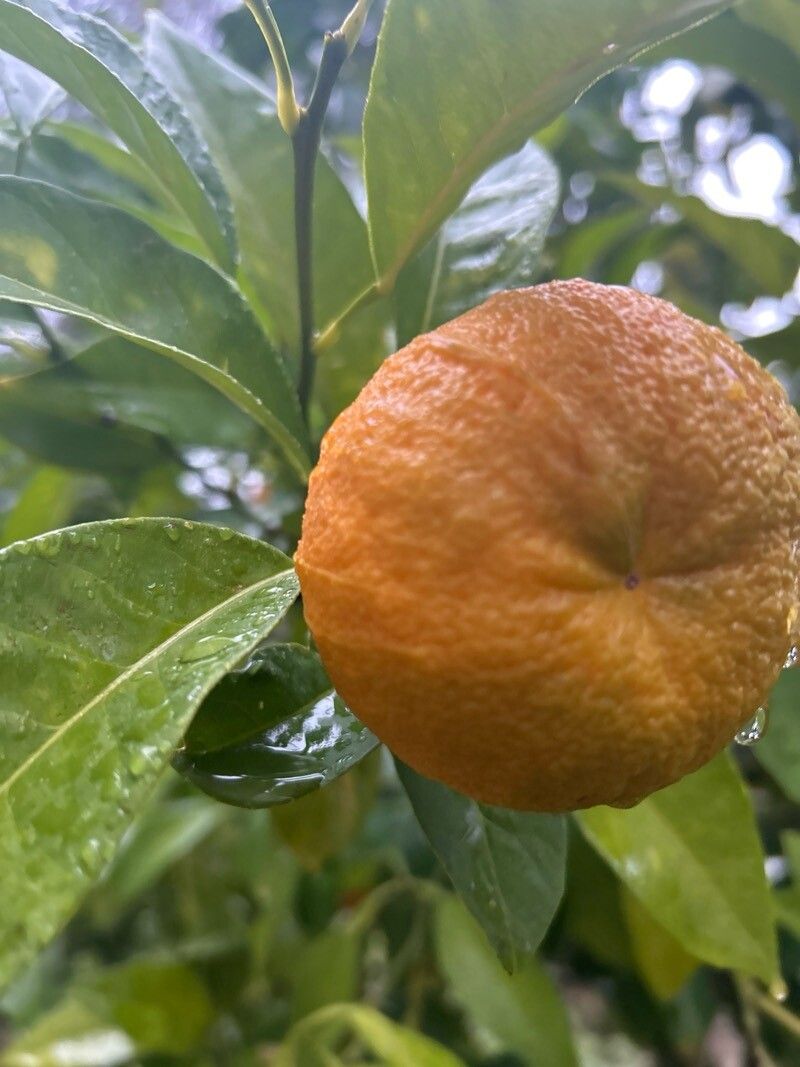
Citrus is a genus of evergreen trees and shrubs in the family Rutaceae, comprising roughly 20 to 30 species plus numerous cultivated hybrids grown for their edible fruit. Plants reach 5-15 m (16-50 ft) depending on species and rootstock, with rounded to spreading crowns. Stems are often armed with axillary spines, particularly on juvenile growth. The leaves are alternate, leathery, and glossy dark green, 4-15 cm (1.6-6 in) long, with winged or narrowly margined petioles that vary by species. Crushed foliage releases aromatic oils from glands visible as translucent dots. Flowers are white or purple-tinged, 2-4 cm (0.8-1.6 in) across, with five waxy petals and numerous stamens. The fruit is a hesperidium, a berry with a leathery, oil-glanded rind and segmented, juice-filled interior, ranging from 3 cm (1.2 in) in some limes to 25 cm (10 in) in pomelos. Species span sweet orange (C. sinensis), lemon (C. limon), lime (C. aurantiifolia), grapefruit (C. paradisi), and mandarin (C. reticulata). Most species are frost-sensitive and grow outdoors only in subtropical and tropical regions, or under protection in cooler climates. Fruit ripening spans several months, and plants may carry flowers and mature fruit at the same time.
Native Range
The genus originates in subtropical and tropical regions of Southeast Asia, southern China, northeastern India, and the Malay Archipelago, with some species extending to Australia and New Caledonia. Domestication and hybridization over millennia have spread cultivated forms throughout the Mediterranean Basin, the Americas, and other warm regions. No Citrus species is native to North America.Suggested Uses
Grown as fruiting specimens in subtropical gardens and orchards, and as container plants on patios or in conservatories in cooler climates. Compact species and dwarf rootstock selections are used for hedging and screening where winters stay mild.How to Identify
Appearance
Size & Dimensions
Height16' - 50'
Width/Spread10' - 25'
Bloom Information
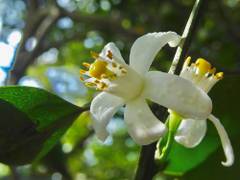
Flowering occurs mainly in spring, though many species in frost-free climates bloom intermittently through the year. White or purple-tinged flowers, 2-4 cm (0.8-1.6 in) across, are strongly scented. In subtropical cultivation, a main spring flush is followed by lighter flowering in summer and autumn.
Detailed Descriptions
Foliage Description
dark greenGrowing Conditions
Sun Requirements
Requires 6-10 hours of direct sunlight daily
• Full Sun: 6+ hours of direct sunlight
• Partial Shade: 3-6 hours of direct sunlight
• Full Shade: Less than 3 hours of direct sunlight
Care & Maintenance
Care Guide
Most species grow in full sun and well-drained soil with a pH of 6.0-7.5. Water needs are moderate, with consistent moisture during fruit development and reduced irrigation in cool months. Citrus is sensitive to frost, and most species suffer leaf and twig damage below -2 to -4 C (28 to 25 F), though relatives of C. trifoliata tolerate lower temperatures. Container culture suits regions with cold winters, allowing plants to move under cover. Feeding with nitrogen and micronutrients sustains growth, and iron or magnesium deficiency shows as interveinal leaf yellowing on alkaline soils.Pruning
Pruning is done after harvest or in early spring, taking out dead, crossing, or inward-growing branches to maintain airflow. Suckers arising below the graft union are cut away, as they belong to the rootstock. Citrus tolerates light shaping, but heavy cutting reduces the following season fruit set.Pruning Schedule
Prune: February–March
early spring
Container Growing
Suitable for container growing
Minimum container size: 15 gallons