Citrus, Genus, ×, Hybrid, microcarpa, Species,
- Genus & species
- Hybrid
calamansi
Hybrid origin (C. reticulata × Citrofortunella); cultivated in Philippines and SE Asia
Overview
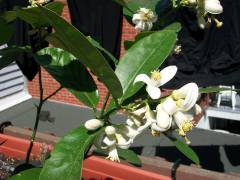
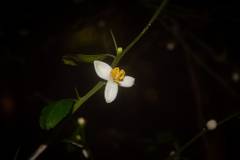
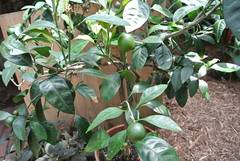
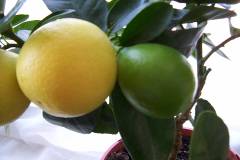
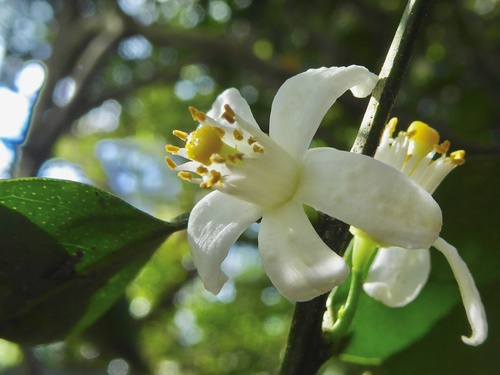
Citrus × microcarpa is an evergreen subtropical tree reaching 8-15 feet (2.4-4.6 m) tall and 5-10 feet (1.5-3 m) wide, smaller than most citrus species. Habit upright with dense compact branching; mature trees develop a rounded canopy without major pruning. Foliage simple, ovate to elliptic, 1.5-3 inches (4-7.5 cm) long with a small winged petiole; leaves dark green and glossy, with new growth tinged purple. Flowers white with 5 petals 0.4-0.6 inch (1-1.5 cm) across, fragrant, borne singly or in small clusters in leaf axils throughout the year. Fruits round, 0.8-1.5 inches (2-4 cm) in diameter, ripening from green to orange with thin loose-skinned rind and 7-10 segments containing 6-12 seeds; flesh deep orange and acidic with a tart-sour flavor between lime and mandarin. Mature trees produce 200-500 fruits per year in subtropical conditions, with peak harvest from October through March in the Philippines. Cold damage occurs at 28°F (-2°C); the hybrid is more cold-tolerant than C. limon, but trees die at 22°F (-6°C). Containerized indoor plants flower and fruit year-round under bright light at 60-75°F (16-24°C).
Native Range
C. × microcarpa is a hybrid species, likely descended from C. reticulata (mandarin) crossed with a kumquat (Citrofortunella) parent, in cultivation in the Philippines for centuries. No truly wild populations exist; widely cultivated across Southeast Asia. Introduced to Hawaii and the southern United States in the early 1900s as a horticultural and culinary citrus.Suggested Uses
Grown as a fruit tree at 8-12 foot (2.4-3.7 m) spacing in subtropical home gardens (zones 9-11). Container culture is workable in pots of 7-15 gallons (26-57 L); container calamansi trees stay at 3-5 feet (90-150 cm) and yield 50-100 fruits per year. Grown indoors near south-facing windows or under supplemental light; indoor specimens are common in Filipino-American households for fresh culinary fruit.How to Identify
Appearance
Size & Dimensions
Height8' - 15'
Width/Spread5' - 10'
Bloom Information
Year-round flowering in zones 9-11 with main flushes in spring (April-May) and autumn (September-October). Individual flower-to-fruit cycle takes 8-10 months; trees commonly carry flowers and ripening fruit through every season. Indoor plants flower throughout the year if minimum temperatures stay above 55°F (13°C) and light averages 6-8 hours daily.
Detailed Descriptions
Flower Description
White, fragrantFoliage Description
Dark green, glossy; new growth purple-tingedGrowing Conditions
Sun Requirements
Requires 6-12 hours of direct sunlight daily
• Full Sun: 6+ hours of direct sunlight
• Partial Shade: 3-6 hours of direct sunlight
• Full Shade: Less than 3 hours of direct sunlight
Care & Maintenance
Care Guide
Water deeply once weekly during the establishment period at 3-5 gallons (11-19 L) per application; established trees in zones 9-10 tolerate 2-3 weeks without rain but fruit production declines under prolonged drought. Apply a citrus-specific fertilizer (12-4-12 with micronutrients) at 0.5-1 pound (225-450 g) per inch of trunk diameter, divided into 4-6 applications between February and September. Iron and zinc deficiencies cause interveinal yellowing on alkaline soils; foliar sprays correct symptoms within 2-3 weeks. Asian citrus psyllid feeds on new growth and transmits huanglongbing disease, fatal to Citrus species; quarantine restrictions apply in California, Florida, and Texas. Mulch 2-3 inches (5-7.5 cm) deep with composted material in a 3 foot (90 cm) ring around the trunk, with a 4 inch (10 cm) clearance from the trunk. Lifespan 30-60 years in cultivation.Pruning
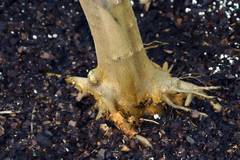
Prune in late winter while dormant in subtropical regions, removing dead wood, water sprouts, and crossing branches. Light shaping cuts retain a compact canopy; calamansi flowers and fruits on 1-3 year old wood, so heavy heading reduces yield for 1-2 seasons. Remove low branches below 18 inches (45 cm) for air circulation and access. Sucker shoots from below the graft union develop sour-orange or trifoliate-orange characteristics and are removed as they appear.Pruning Schedule
Prune: February
winter
Container Growing
Suitable for container growing
Minimum container size: 7 gallons