Citrus, Genus, japonica, Species,
- Genus & species
Kumquat
Overview
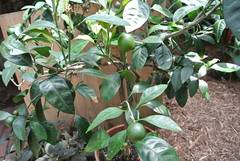
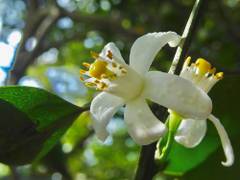
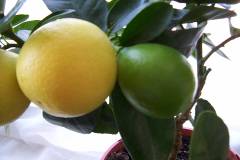
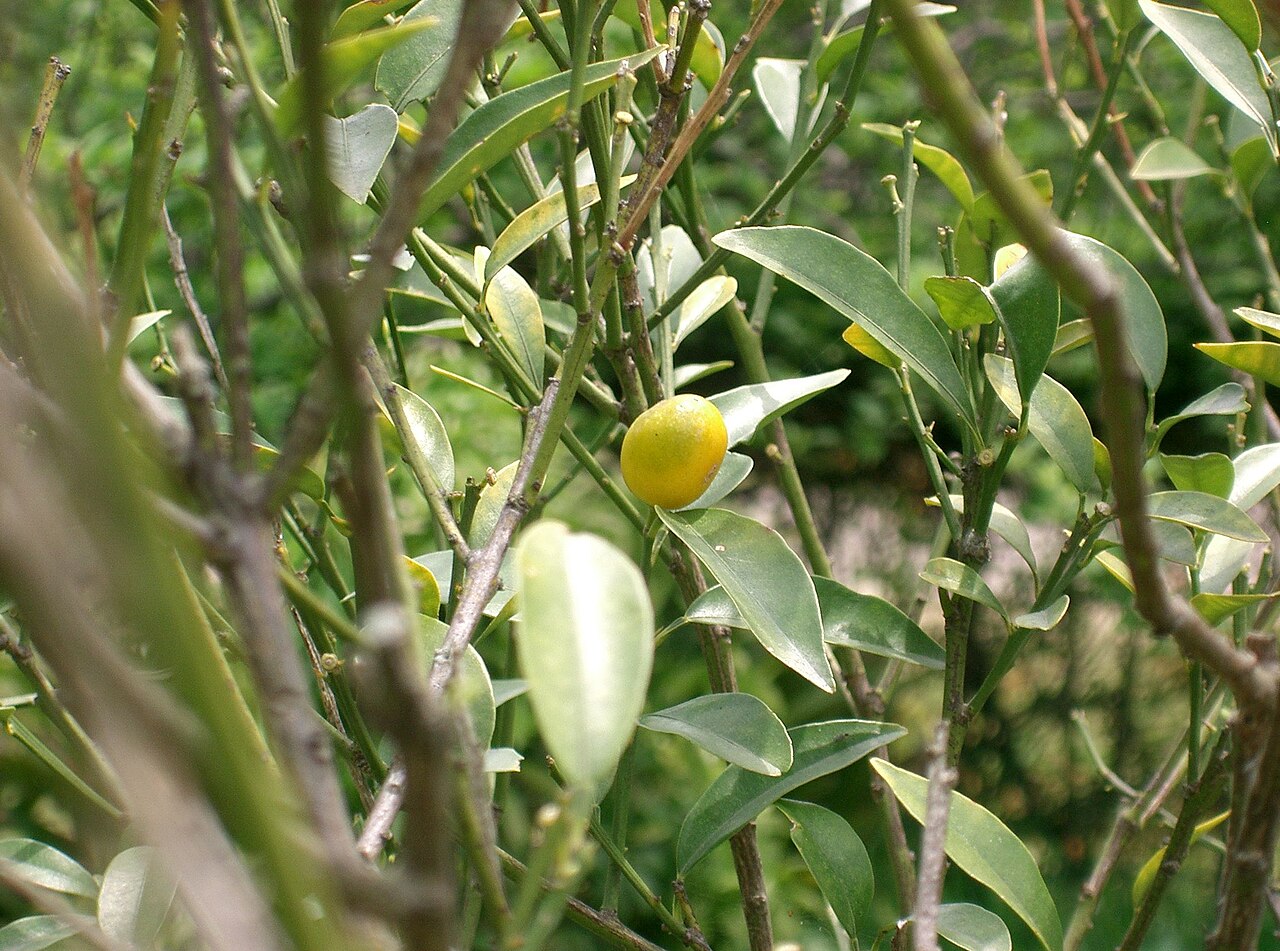
Citrus japonica is an evergreen shrub or small tree reaching 8-12 feet (2.4-3.7 m) tall and 6-10 feet (1.8-3 m) wide, branching densely from near ground level with few or no spines. Leaves are alternate, lance-shaped, 1.5-3.5 inches (4-9 cm) long, glossy dark green above and paler beneath, on a narrowly winged stalk, with oil glands that scent the leaf when crushed. Flowers are white, five-petalled, 0.5-0.75 inch (1.2-2 cm) across and scented, opening singly or in small axillary clusters through summer, usually in two or three flushes. Fruit is 0.75-1.5 inches (2-4 cm) long, oval on the cultivar Nagami and round on Marumi, colouring orange from November through March and holding on the branch for 6-8 weeks after it ripens. The rind is sweet and the pulp acidic, so the fruit is eaten whole. Plants hold undamaged at 18-20F (-8 to -7C), against about 26F (-3C) for sweet orange, because the tree enters a semi-dormant state in cool weather. Growth runs 6-12 inches (15-30 cm) per year, so plants take 3-4 years to reach cropping size. Leaves yellow between the veins on soils above pH 7.5, and fruit splits after heavy rain that follows a dry spell.
Native Range
Citrus japonica is native to southern China, where it has been cultivated in Guangdong, Guangxi, Fujian, and Zhejiang for more than a thousand years, and it moved to Japan and Taiwan through early trade. Robert Fortune carried plants to Britain for the Royal Horticultural Society in 1846, and the fruit is now grown commercially in China, Japan, Israel, Brazil, and the United States. Populations outside cultivation are limited.Suggested Uses
Grown in containers of 10 gallons (38 L) or larger on patios and under glass well outside its hardiness range, and planted at 8-10 foot (2.4-3 m) spacing as a fruiting hedge or single specimen in USDA zones 8b-11. Fruit is eaten whole, preserved in syrup, or cooked into marmalade, and in mild climates the tree carries ripe fruit and open flowers at the same time. Leaves are a larval food plant for swallowtail butterflies in the genus Papilio.How to Identify
Appearance
Size & Dimensions
Height8' - 12'
Width/Spread6' - 10'
Bloom Information
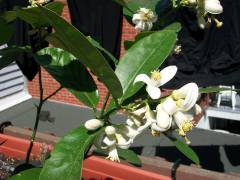
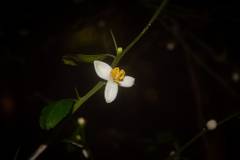
Flowering runs June to September in the Northern Hemisphere and December to March in the Southern Hemisphere, in two or three flushes 3-4 weeks apart. Flowers are white, 0.5-0.75 inch (1.2-2 cm) across, and carry a scent noticeable at 10-15 feet (3-4.5 m). Each flush follows a growth flush, and 5-7 months pass from bloom to ripe fruit. Bees carry most pollination, though the flowers are self-fertile and set without insect visits.
Detailed Descriptions
Foliage Description
Glossy dark green, paler beneathGrowing Conditions
Sun Requirements
Requires 6-12 hours of direct sunlight daily
• Full Sun: 6+ hours of direct sunlight
• Partial Shade: 3-6 hours of direct sunlight
• Full Shade: Less than 3 hours of direct sunlight
Care & Maintenance
Care Guide
Six or more hours of direct sun carries fruit sugars; below 4 hours the crop drops and the canopy opens. Free-draining soil at pH 5.5-7.0 suits the roots, and interveinal yellowing above pH 7.5 is corrected with chelated iron and zinc. Water at 1-1.5 inches (25-38 mm) per week through the growing season, holding the root zone evenly moist, since swings between dry and wet split the fruit. A citrus fertilizer carrying nitrogen with iron, zinc, and manganese is applied in three doses between February and September, at 0.1-0.2 pound (45-90 g) of nitrogen per year for a young plant. Citrus leafminer tunnels in the new flush from midsummer, scale insects colonise shaded interior wood, and huanglongbing spread by the Asian citrus psyllid kills infected trees in regions where the disease is present. Plants in containers of 10 gallons (38 L) or larger crop for 8-10 years and can be moved under cover when temperatures fall below 20F (-7C).Pruning
Pruning is carried out in early spring, after the last fruit is picked and before the summer flower flush. Dead wood, crossing branches, and shoots below the graft union are cut out; rootstock suckers carry trifoliate leaves and extend faster than the scion. Light heading of the outer canopy by 4-6 inches (10-15 cm) holds a formal outline on container plants and hedges without removing much of the coming crop. Cuts into wood older than three years regrow slowly on this species.Pruning Schedule
Prune: March–April
early springlate spring
Container Growing
Suitable for container growing
Minimum container size: 10 gallons