Lathyrus, Genus, vestitus, Species,
- Genus & species
Pacific pea
Western North America (California, Oregon, Baja California)
Overview
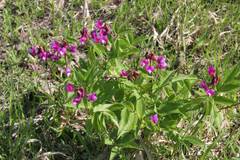
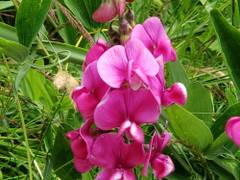
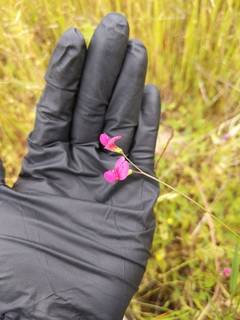
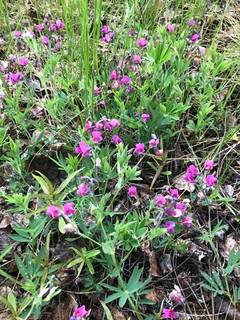
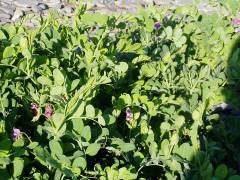
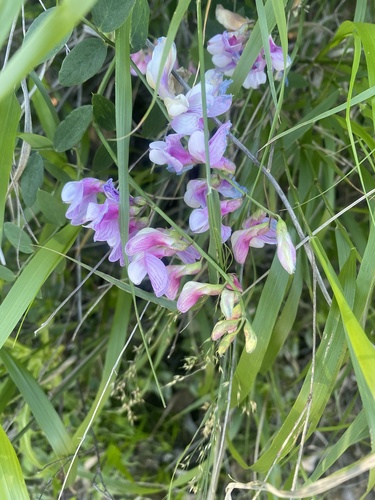
Lathyrus vestitus is a herbaceous perennial vine of the pea family, climbing or scrambling over neighboring vegetation by branched tendrils at the leaf tips. Stems reach 3-6 feet (0.9-1.8 m) and arise each year from a perennial rootstock. The pinnately compound leaves carry 6 to 12 oval to lance-shaped leaflets, each 0.8-2 inches (2-5 cm) long, in a blue-green to gray-green tone. From spring into early summer the plant produces open clusters of 5 to 15 pea-shaped flowers, each 0.5-0.8 inch (1.2-2 cm) across, opening pink to lavender and fading to pale violet or whitish with age. Flat legume pods follow, 1.5-2.5 inches (4-6 cm) long, splitting to release several hard round seeds. Plants grow in chaparral, oak woodland, and coastal scrub from sea level to about 5,000 feet (1,500 m). Growth is rapid in the cool wet months, and stems often die back during summer drought, leaving a tangled mass that can look untidy in a maintained garden. The seeds, like those of many Lathyrus species, contain amino acids that are toxic if eaten in quantity. Established plants need little water and tolerate poor rocky soils, though they reach into surrounding plants and may require a trellis or open space to climb.
Native Range
Lathyrus vestitus is native to the western United States, ranging through the California Coast Ranges and Sierra Nevada foothills north into Oregon and south into Baja California. It grows in chaparral, oak woodland, and coastal sage scrub, often on slopes and along the margins of clearings.Suggested Uses
Lathyrus vestitus is used in native plant gardens, on slopes for erosion control, and scrambling through chaparral shrub plantings. It supports native bees and other pollinators during its spring bloom.How to Identify
Appearance
Size & Dimensions
Height3' - 6'
Width/Spread2' - 4'
Bloom Information
Flowering runs from March to June, peaking in mid-spring. Each raceme holds 5 to 15 flowers that shift from pink to pale violet as they age, and a plant may bloom for 4 to 6 weeks where soil moisture lasts. Flat pods 1.5-2.5 inches (4-6 cm) long ripen by early summer.
Detailed Descriptions
Flower Description
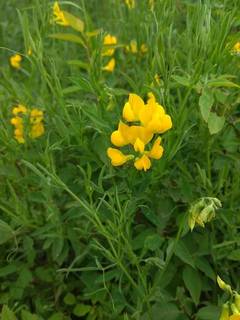
pink to lavender, fading violet-whiteFoliage Description
blue-green to gray-greenGrowing Conditions
Sun Requirements
Requires 6-8 hours of direct sunlight daily
• Full Sun: 6+ hours of direct sunlight
• Partial Shade: 3-6 hours of direct sunlight
• Full Shade: Less than 3 hours of direct sunlight
Care & Maintenance
Care Guide
Grow Lathyrus vestitus in full sun to part shade in coarse, well-drained soil. It draws on winter and spring rainfall and needs no supplemental water once established, entering summer dormancy as the soil dries. Excess summer irrigation in heavy soil can rot the roots. The stems climb by tendrils and reach into nearby shrubs, so an open framework or low shrub gives them support. Plants tolerate serpentine and rocky substrates and a soil pH from about 6.0 to 7.5. Seedlings establish readily from fall-sown seed that has been scarified.Pruning
Cut back dead stems after summer dormancy or in late fall once the seed has dropped. No routine pruning is required during the growing season, though stems can be thinned where they overwhelm smaller plants.Pruning Schedule
Prune: October–November
fall