Image 1 of 12
1 / 12
© No machine-readable author provided. Dlanglois assumed (based on copyright claims)., some rights reserved (CC-BY-SA) · Wikimedia Commons
Lathyrus, Genus, japonicus, Species,
- Genus & species
seaside pea
Overview
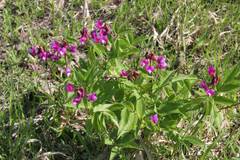
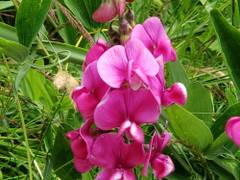
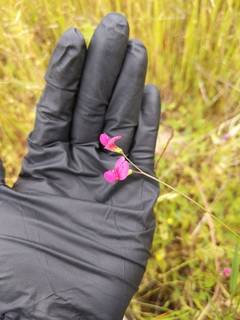
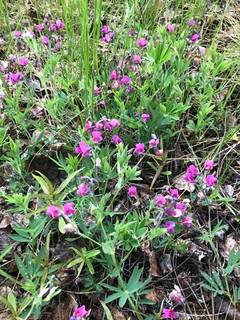
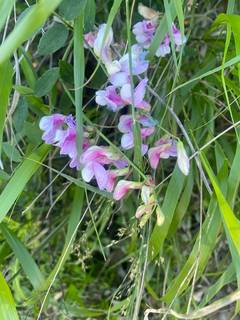
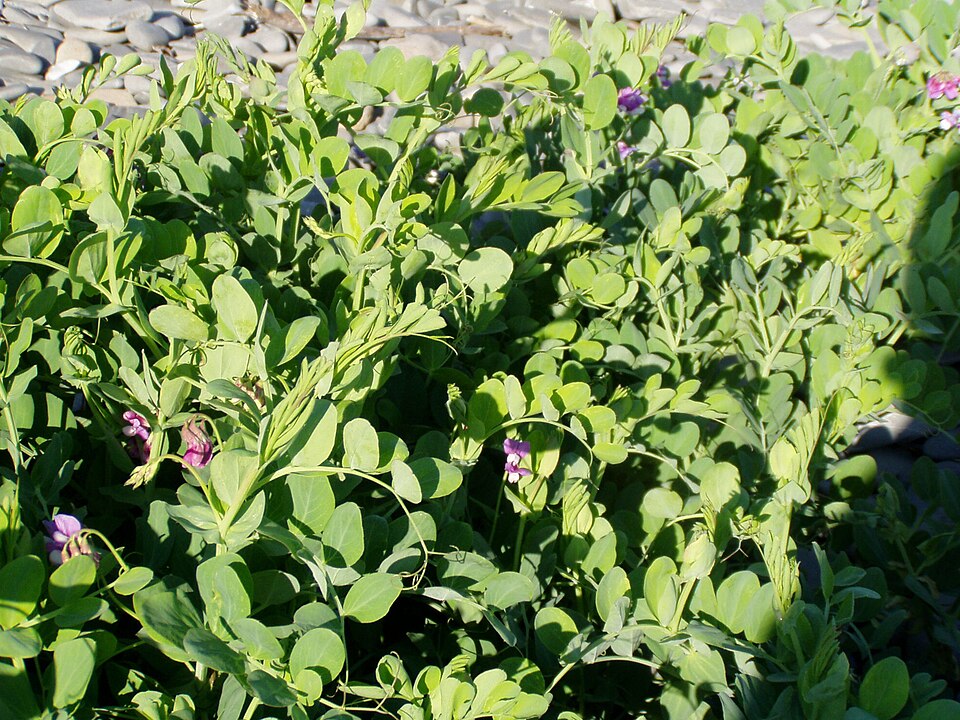
Lathyrus japonicus is a sprawling perennial in the pea family that grows along ocean beaches and lakeshores, spreading by rhizomes to form low, trailing mats. The fleshy stems reach 8-32 inches (20-80 cm) long and bear pinnate leaves of three to six pairs of blue-green, oval leaflets, each leaf tipped with a branched tendril. From early to late summer it carries loose clusters of three to ten pea-shaped flowers about 0.75-1 inch (2-2.5 cm) long, purple to violet-blue, fading toward pink and blue with age. Flat pea pods 1.5-2.5 inches (4-6 cm) long follow, holding several round seeds. The seeds can float in seawater for long periods, which spreads the plant between beaches. Native to coastlines around the cooler parts of the Northern Hemisphere, it tolerates salt spray, shifting sand, and wind, anchoring loose dune sand with its roots. It needs full sun and sharp drainage. The seeds are edible cooked but contain compounds that are harmful in large amounts.
Native Range
Native to temperate and subarctic coastlines around the Northern Hemisphere, including the Atlantic and Pacific coasts of North America, northern Europe, and northeastern Asia, with some Great Lakes populations. It grows on sand and gravel beaches, dunes, and shingle shores.Suggested Uses
Lathyrus japonicus is grown in coastal gardens, dune restorations, and gravel or seaside plantings, where it stabilizes sand and tolerates salt. Its flowers draw bees and other pollinators.How to Identify
Appearance
Size & Dimensions
Height8" - 1'6"
Width/Spread2' - 3'
Colors
Bloom Information
Flowers open from June through August, the timing later toward the north. Each cluster blooms over a couple of weeks, and a plant flowers across much of the summer. Pods ripen from late summer into fall.
Detailed Descriptions
Foliage Description
blue-greenGrowing Conditions
Sun Requirements
Requires 6-12 hours of direct sunlight daily
• Full Sun: 6+ hours of direct sunlight
• Partial Shade: 3-6 hours of direct sunlight
• Full Shade: Less than 3 hours of direct sunlight
Care & Maintenance
Care Guide
Lathyrus japonicus grows in full sun and sharply drained sandy or gravelly soil, and tolerates salt spray, wind, and nutrient-poor ground. It needs little water once established and fixes its own nitrogen through root nodules, so it does not need fertile soil. The plant spreads by rhizome and self-sows, forming colonies that help stabilize sand. It declines in rich, heavy, or wet soils. In gardens it suits coastal and gravel plantings rather than borders.Pruning
No pruning is needed. Spent stems can be cut back in late fall or left to protect the crown over winter. Trimming after flowering keeps mats tidy.Container Growing
Suitable for container growing
Minimum container size: 3 gallons