Lathyrus, Genus, tuberosus, Species,
- Genus & species
tuberous pea
Overview
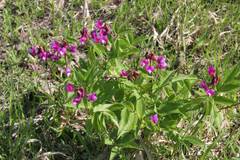
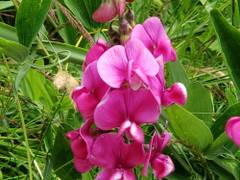
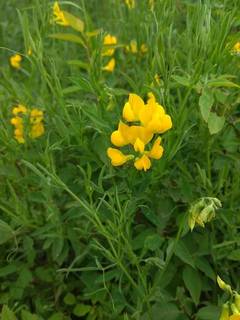
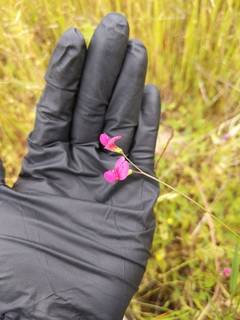
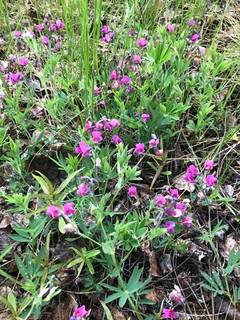
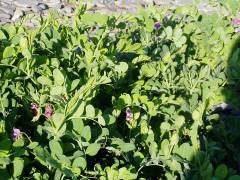
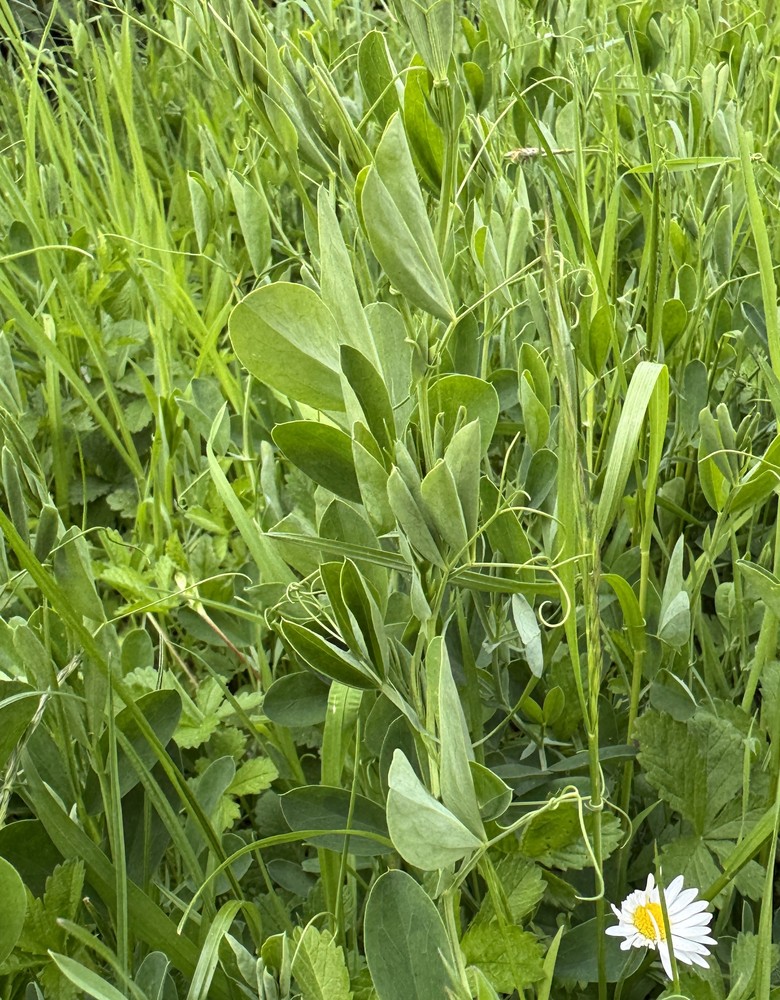
Lathyrus tuberosus is a herbaceous perennial climber in the Fabaceae family, scrambling 24-48 inches (60-120 cm) high by branched tendrils over neighboring plants and supports. Each leaf bears a single pair of oval blue-green leaflets and a terminal tendril. From early to late summer it carries loose clusters of three to six rose-pink to crimson pea flowers, each about 0.6-0.8 inch (15-20 mm) long, with a sweet fragrance. The plant grows from small underground tubers and spreads by both tubers and creeping roots, forming colonies that can persist and outcompete weaker plants. Flat, brown seed pods 1-1.5 inches (2.5-4 cm) long follow the flowers. Lathyrus tuberosus is hardy in USDA zones 6 through 9 and dies back to the tubers in winter. It grows in full sun to part shade in most well-drained soils and tolerates poor ground once established. The spreading roots and tubers make it hard to remove once settled, and it is listed as a noxious or invasive weed in parts of North America. Flowers draw bees and other pollinators through summer. Native to Europe and western Asia and naturalized in North America, it is grown on trellises, fences, and through shrubs in informal plantings.
Native Range
Lathyrus tuberosus is native to Europe and western Asia, where it grows in fields, hedgerows, and grassy banks. It has naturalized widely in North America and is listed as a noxious weed in some regions.Suggested Uses
Grown on trellises, fences, and through shrubs in cottage and informal plantings, spaced 12-18 inches (30-45 cm) apart. The fragrant flowers are cut for small arrangements. Its spreading habit suits wild or naturalistic areas where it has room to roam.How to Identify
Appearance
Size & Dimensions
Height2' - 4'
Width/Spread1'6" - 3'
Colors
Bloom Information
Flowers from early through late summer, roughly June to August, in successive loose clusters. Each cluster holds three to six fragrant pea flowers. Flat brown seed pods follow and ripen by early autumn.
Detailed Descriptions
Flower Description
Rose-pink to crimsonFoliage Description
Blue-greenGrowing Conditions
Sun Requirements
Requires 4-12 hours of direct sunlight daily
• Full Sun: 6+ hours of direct sunlight
• Partial Shade: 3-6 hours of direct sunlight
• Full Shade: Less than 3 hours of direct sunlight
Care & Maintenance
Care Guide
Grows in full sun to part shade in most well-drained soils, tolerating poor ground once established. Water needs are low to medium, and the plant withstands drought once the tubers are set. In USDA zones 6 through 9 it is cold hardy and dies back to the tubers in winter. It spreads by tubers and creeping roots and can form persistent colonies that crowd weaker plants. Removing every tuber is hard once the plant is settled. A support such as a trellis or shrub lets the tendrils climb.Pruning
Stems are cut back to the ground in late autumn or early spring as growth dies down. Spent flower clusters can be removed before pods set to limit self-seeding. Digging out tubers and roots reduces spread where the plant is unwanted.Pruning Schedule
Prune: March & November
fallearly spring